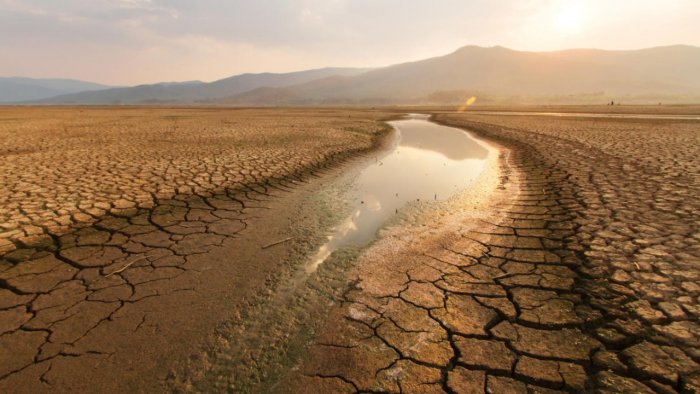
Climate change could have a devastating effect on the lives of millions in the East Mediterranean and Middle East, where temperatures are rising nearly twice as fast as the global average, an international team of scientists warned.
________________________________________________________________________
Read Also: Climate change: How infrastructure can weather the storm
________________________________________________________________________
The region could see an overall warming of up to 5 degrees Celsius or more by the end of the century on a business-as-usual scenario, a report prepared by the Cyprus Institute said.
That temperature spike was almost twice that anticipated in other areas of the planet, and faster than any other inhabited parts of the world, it said.
The report, prepared under the auspices of the Max Planck Institute for Chemistry and the Climate and Atmosphere Research Center of The Cyprus Institute, will be submitted at the United Nations Climate Change Conference (COP27) taking place in Egypt in November.
________________________________________________________________________
Read Also: Millions of Birds Are Migrating Earlier Because of Warming
________________________________________________________________________
A combination of reduced rainfall and weather warming will contribute to severe droughts, compromising water and food security, with many countries unprepared for rising sea levels, one expert said.
“This (scenario) would imply severe challenges for coastal infrastructure and agriculture, and can lead to the salinisation of costal aquifers, including the densely populated and cultivated Nile Delta,” said Dr. George Zittis of the Cyprus Institute, an author of the report.
Meeting the main targets of the Paris Agreement, a global pact of countries to cut emissions, could stabilise the annual temperature increase to about 2 degrees Celsius.
Scientists recommend rapid implementation of decarbonisation actions with a particular emphasis on the energy and transportation sectors.
________________________________________________________________________
Read Also: Climate change: ‘Default effect’ sees massive green energy switch
________________________________________________________________________
“Since many of the regional outcomes of climate change are transboundary, stronger collaboration among the countries is indispensable to cope with the expected adverse impacts,” said Jos Lelieveld, director of the Max Planck Institute for Chemistry, institute professor at the Cyprus Institute, and coordinator of the assessment.
NOTE – This article was originally published in deccanherald and can be viewed here
Tags: #climate, #climatechange, #climatecrisis, #climaterisk, #environment, #getgreengetgrowing, #globalwarming, #gngagritech, #greenstories, #Mediterranean, #rainfall, #scientists, #weather