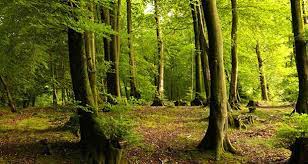
Recently, a rare low-altitude basalt plateau was found in Maharashtra’s Western Ghats. This discovery can aid in the research of how climate change affects the survival of species and raise awareness of the need to conserve rock outcrops and their enormous biodiversity importance on a worldwide scale.
_______________________________________________________________________
Read Also : As floods hit western Europe, scientists say climate change hikes heavy rain
________________________________________________________________________
What are the findings?
- The previous three types of plateaus in the area were laterites at high and low altitudes and basalt at high altitudes.
- This is the fourth form of the plateau to be discovered there.
- 76 kinds of plants and shrubs from 24 different families were discovered during the survey of the plateau.
- This is significant because the plateau hosts a few rare species and, together with the other three rock outcrops, shares a common ecosystem with them.
- This offers a special model system to research the interactions of the species in various environmental settings.
________________________________________________________________________
Read more : Bird Flu Outbreak: How Safe Is It To Eat Poultry Meat, Eggs?
________________________________________________________________________
About the Western Ghats
- A series of mountains known as the Western Ghats extends from the states of Kerala, Maharashtra, Goa, Gujarat, Tamil Nadu, and Karnataka along India’s western coast.
- One of India’s four prime locations for biodiversity is the Western Ghats with the other three being the Himalayas, the Indo-Burma region and the Sundaland (includes the Nicobar Islands).
- It has earned UNESCO World Heritage Site status.
NOTE – This article was originally published in theyouthedge and can be viewed here
Tags: #climate, #climatechange, #climatecrisis, #discovery, #environment, #getgreengetgrowing, #globalwarming, #gngagritech, #greenstories, #islands, #nature, #Western