1. News in brief: Top climate change stories to read this week
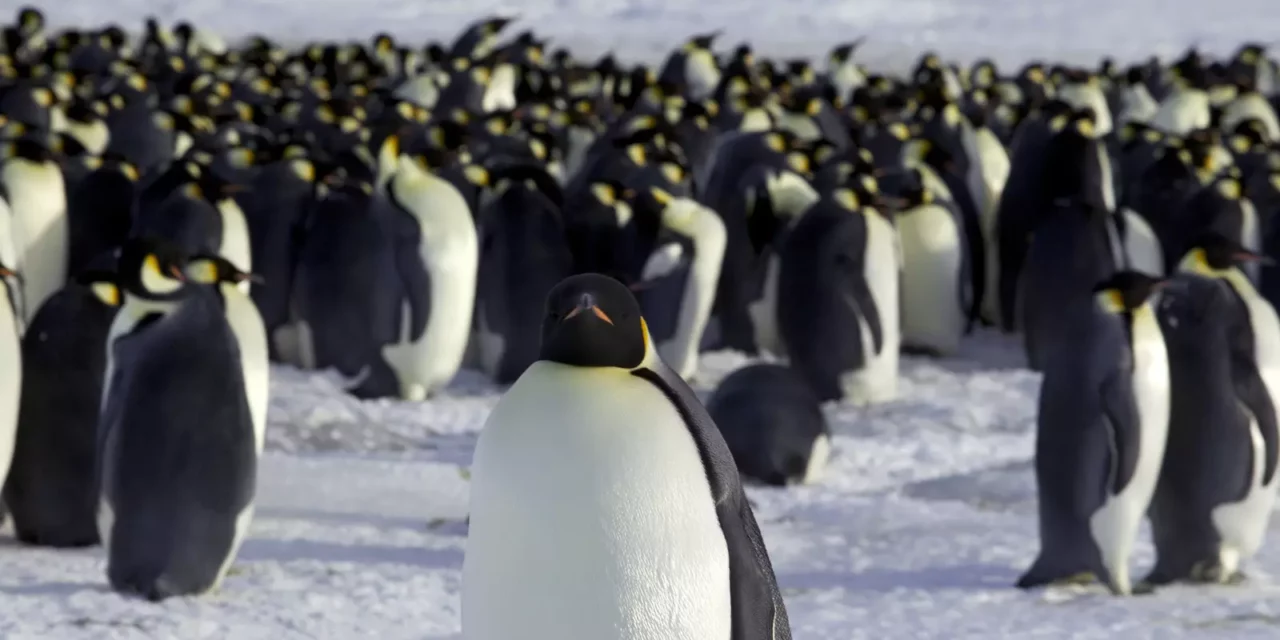
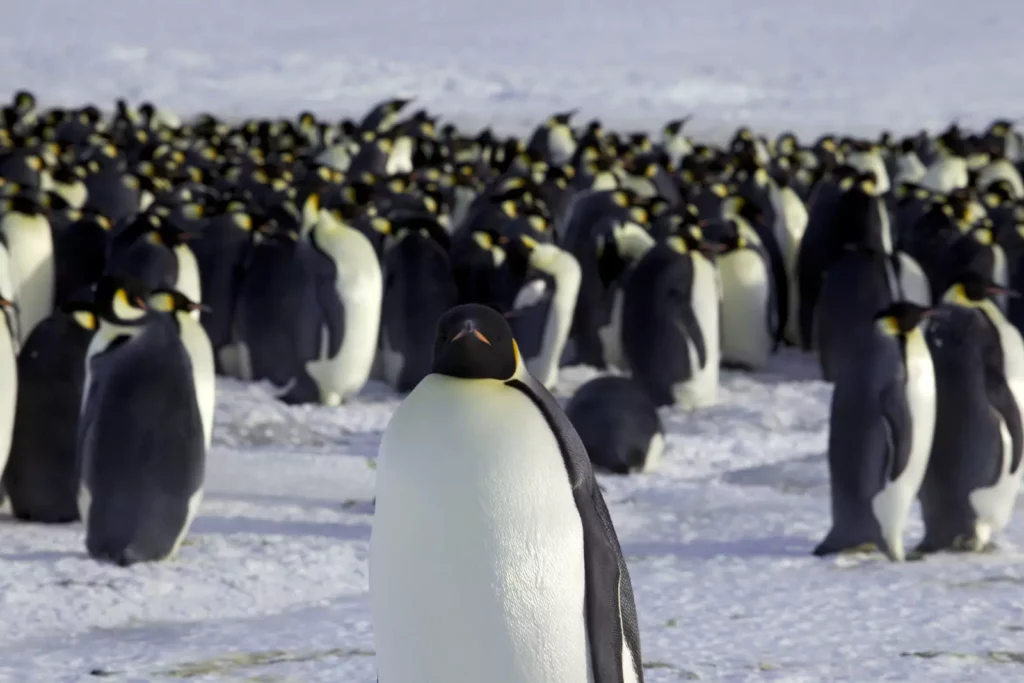
Antarctica’s emperor penguin is at risk of extinction due to rising global temperatures and sea ice loss, the US government said on 25 October as it finalized protections for the animal under the US Endangered Species Act.
Rich countries must move on from “empty slogans” when it comes to climate change and make progress in meeting funding commitments, a Chinese official said on 27 October ahead of the COP27 climate talks in Egypt in November. “It is important to put forward targets, but it is … even more important, to turn targets into actions,” said Li Gao, Head of the climate change office at China’s Ministry of Ecology and Environment.
_______________________________________________________________________
Read Also : VEGETARIAN KETO DIET PLAN FOR INDIANS – LOSE 15 KGS IN A MONTH
________________________________________________________________________
Extreme weather events and rising temperatures could see 13.6% of the Philippines’ economic output lost by 2040, inflicting a heavy toll on the country’s poorest if it does not address climate change, a World Bank report said on 25 October.
Delhi has suspended most construction and demolition activities as air quality in the Indian capital is set to worsen from 1 November because of calmer winds and other meteorological conditions, a government minister said.
France and Spain experienced unusually warm temperatures on 27 October, bringing some bathers out to beaches but also adding to mounting concerns about changing weather patterns in Europe.
Australia will spend A$800 million ($516 million) to repair, retrofit and buy back homes in the flood-prone northwest of the country’s largest state as the region recovers from its third inundation this year.
New Zealand Prime Minister Jacinda Ardern visited scientists at the country’s Scott Base in Antarctica on 27 October, as part of a trip aimed at highlighting climate change challenges, her country’s commitment to the continent and the need for regional cooperation.
A UN-backed group of global financial institutions including Dutch lender Rabobank has set out a series of company-specific environmental and social targets aimed at helping drive a shift to a more sustainable food system.
The US has unveiled nearly $1 billion in awards to school districts to replace ageing, gas-fuelled school buses with cleaner, mainly electric models.
The US government also warned on 28 October that it may impose water supply cuts on California, Arizona and Nevada to protect the Colorado River and its two main reservoirs from overuse, drought and climate change.
2. World on track to increase emissions 10.6% by 2030 – UN report
If countries fulfil their current climate commitments, global greenhouse gas emissions will rise by 10.6% by 2030 compared to 2010 levels, according to a United Nations report.
The UN Intergovernmental Panel on Climate Change says a 43% reduction in emissions is needed by 2030 to limit warming to 1.5°C above pre-industrial temperatures.
With world leaders due to gather in Sharm El-Sheikh in Egypt for the COP27 climate summit from 6 November, experts say more action is urgently needed.
“At the UN Climate Change Conference in Glasgow last year, all countries agreed to revisit and strengthen their climate plans,” said Simon Stiell, Executive Secretary of UN Climate Change. “The fact that only 24 new or updated climate plans were submitted since COP26 is disappointing.”
These include Bolivia, Vanuatu and Uganda, as well as the large emitter nations of India and Indonesia. The latter, which sees most emissions come from deforestation and peatland clearance, now says it will cut emissions by at least 31.89% by 2030.
Globally, inadequate pledges put the world on a path to warm by 2.5°C by 2100.
_______________________________________________________________________
Read Also : What to know about the vegetarian diet
________________________________________________________________________

The UN Intergovernmental Panel on Climate Change says a 43% reduction in emissions is needed by 2030 to limit warming to 1.5°C above pre-industrial temperatures. Image: UN Climate Change
3. EU approves effective ban on new fossil fuel cars from 2035
The European Union struck a deal on 27 October on a law to effectively ban the sale of new petrol and diesel cars from 2035, aiming to speed up the switch to electric vehicles and combat climate change.
Negotiators from EU countries and the European Parliament – who must both approve new EU laws – as well as the European Commission, which drafts new laws, agreed that carmakers must achieve a 100% cut in CO2 emissions by 2035, which would make it impossible to sell new fossil fuel-powered vehicles in the 27-country bloc.
_______________________________________________________________________
Read Also : 6 Excellent Sources Of Vegetarian Protein For Your Daily Diet
________________________________________________________________________
“This deal is good news for car drivers … new zero-emission cars will become cheaper, making them more affordable and more accessible to everyone,” the European Parliament’s lead negotiator Jan Huitema said.
EU climate policy chief Frans Timmermans said the agreement sends a strong signal to industry and consumers. “Europe is embracing the shift to zero-emission mobility,” he said.
4. More on climate change on Agenda
Raising more finance to help developing countries cope with climate impacts will be one of the main goals of the upcoming COP27 summit in Egypt. The World Economic Forum’s Eric White explains that climate change adaptation involves adjusting our behaviour and building improved infrastructure to better cope with changing weather patterns.
Abhinav Chugh explains why compensation for economic losses due to climate catastrophes is also high on the summit agenda, as pressure grows from vulnerable countries to prioritize this issue.
And a study has found cities are warming 29% faster than rural areas, but urban greening – increasing levels of vegetation such as trees and rooftop gardens – is an effective way to counter these temperature rises.
NOTE – This article was originally published in weforum and can be viewed here
Tags: #climate, #climatechange, #CO2, #COP27, #emperorpenguin, #environment, #getgreengetgrowing, #gngagritech, #greenstories, #nature, #penguins, #seaice, #weather