
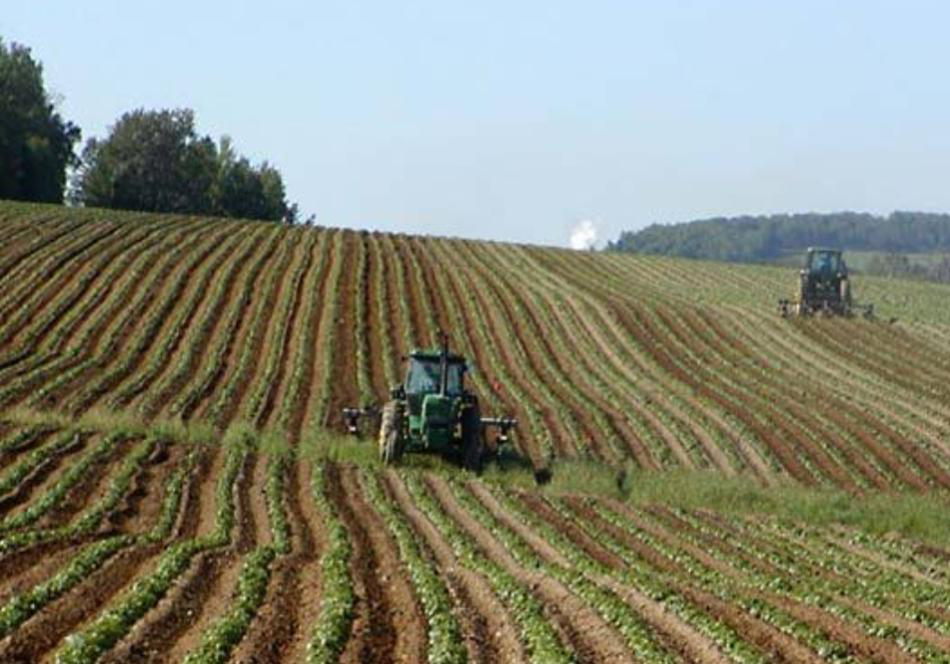

Intensive farming is the unique technique used to yield improved productivity by retaining a large number of livestock indoors and operating an undue amount of chemical fertilizers on small equity. It is accomplished to attain the rising necessity for cheap food and avoid coming shortages. Intensive farming is an agricultural system that conducts to get ultimate yield from the accessible land.
________________________________________________________________________
“Buy Organic Products Online at best prices at http://www.getgreen.co.in “.
________________________________________________________________________
This farming method is also pertained to replenishing livestock. You could say that under this method, food is generated in large amounts with the assistance of chemical fertilizers and pesticides that are appropriately utilized to save such farming land from insects and crop ailments.
Advantages of Intensive Farming
- High crop yield
One of the main bonuses of intensive farming is the output of high crop yields. Agricultural commodities such as meat, eggs, milk, fish, and cereals are highly required in the modern world’s food markets such as restaurants and supermarkets. Convincing the market stresses has only been feasible through intensive farming because the yields are generated in large amounts on a small soil portion.
________________________________________________________________________
Read Also : Smart Farming: The Future of Agriculture
________________________________________________________________________
- More variety of food can be generated
Since intensive farming primarily focuses on mass food output in a particular food crop or animal creation, it oversees more food variation for human consumption. Intensive agriculture needs a lot of labor, capital, and reserves, giving rise to more logical to only concentrate on one production region.
- More profitable
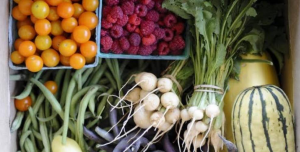
Because intensive farmers use fewer farm inputs and less property per unit of the foodstuff yielded, it is more productive. The farmer brings about more earnings by maximizing yields on a small portion of land as rejected to the traditional farming techniques that required large land areas but generated fewer outcomes. Since the needs for equipment, space, and other intakes are less correlated to the food developed per unit, it is more reasonable and productive.
- Affordable food prices
Compared to traditional farming, intensive farming’s engagement to generate vegetables, poultry, beef, milk, eggs, and fruits has earned food prices accessible. The justification for this is that intensive farming expects less space and generates more than the invested intakes. Additionally, it has substantially enabled in unraveling the world’s hunger difficulties. The ordinary people can hence have the money to enjoy a nourishing and balanced diet.
- Helps in assuring operated farming
Several agricultural associations and environmental safety agents have taken the drive to regulate and monitor the possible unfavorable intensive farming consequences. Consequently, the mechanisms and agricultural research associations have set distinct rules and regulations on using farm intakes such as fertilizers, pesticides, growth hormones, herbicides. They have even asserted clear criteria on how to retain and organize livestock. This ensures governed farming, which has outcomes in healthy, safe, and cheap farm harvest.
- Sustainable supply of food
With the need for food rising across the world due to the ever boosting quantity of human populations, intensive farming gives the benefit of high crop productivity with the chance of meeting the food market needs. Besides, it needs less land size, which implies that it considerably participates to thrifts of scale in fulfilling the ever-escalating desire for food stores.
________________________________________________________________________
Read Also : FARM GOODS TO ROOTS OF NATION – FARMING MADE EASY
________________________________________________________________________
Disadvantages of Intensive Farming
- Bad living situations and hygiene for livestock
Intensive farming is highly denounced and believed to be cruel to animals. Because it implicates several chemicals, growth hormones, and extra crowding in a small area, the consequence is usually low living situations and hygiene for the livestock. Maintenance of animals above their ability is associated with pollution and poor hygiene, which has findings in diseases and various infections.
- High use of agro-chemicals
Intensive farming, as sooner affirmed, implicates the utilization of several types of agrochemicals comprising chemical pesticides, fertilizers, herbicides, insecticides, and acaricides. When these chemicals are utilized, they not only eradicate their aimed targets such as pests, weeds, and parasites but also pollute the food products. The insecticides and pesticides also destroy useful insects that participate in biodiversity casualty.
- Deforestation and change of the natural environment
Environmental reviews and reports demonstrate that intensive farming effects and degrade the environment in many ways. The disposal of trees, slash and burn procedures, and forest areas’ hallway to organize a room for agriculture has led to high deforestation and soil erosion.
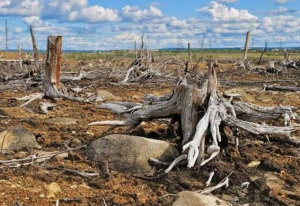
Consequently, natural habitats and wild animals have been heavily dramatic as the harmful exercises have persistently participated in habitat casualty.
- Risks on human health
The vegetables and fruits are sourced from regions that practice intensive farming and full of unnoticed pesticides. The challenge is that the pesticides cannot be rinsed away quickly, and since the fruits and vegetables seem clean after a good wash, humans indirectly expend the chemical pesticides.
- Higher dangers of cancer and congenital disabilities
Public health journals and cancer evaluation verify an immediate correlation between the consumption of food sourced from intensive farming regions and an expanding amount of cancer patients. The consumption of food products obtained from intensive farming regions is also credible for boosting the number of genetic abnormality issues. The public health experimenters say that the increasing cases of children born with deformities and cancer probably result from inorganic fruits, meat, vegetables, and poultry.
- The design of chemical hormones in food
The majority of the food commodities used in intensive farming networks, especially vegetables, fruits, poultry, and livestock, are full of development hormones. If one takes an in-depth look at the intensive farming procedures, they will understand many hybrid species of plants, poultry, and livestock. Most of them are vaccinated with growth hormones and other chemicals to augment output.
- Chances of low quality food properties
Since intensive farming centers mainly on the mass creation of friendly glancing food products, the production techniques dominate the demand for quality and healthy food products. The quality of foods sourced from intensive farming areas often lacks the same nutrition importance as those generated using traditional farming techniques or organic farming.
It is very tough to grab aside in the discussion considering intensive farming. While it is real that agricultural intensification is crucial to meet the ever-more population development, it is also true that intensive aim of chemical fertilizers will greatly encompass the state of human beings, plants, fish, honey bees, frogs, birds, and livestock. There is a clash between the animal rights activists and farmers of intensive farming. However, the discussion is still ongoing, but we hope to see some innovations or modifications in the comparative future.
Image Sources
https://images.app.goo.gl/9rB6RsWCeHKa1XVe6
https://images.app.goo.gl/ocZw93Ff9EeyDVQ47
https://images.app.goo.gl/zPSwPX2xg1BFr2ZS7
Tags: #agriculture, #agtech, #farmers, #FarmersProtest, #farming, #HomeOfDreams, #intensivefarming, #malaysia, #mgrow, #morrispineapples, #mygap, #pineapples, #smartfarming, #sustainablefarming, #Tractor, #youth






Trackbacks/Pingbacks