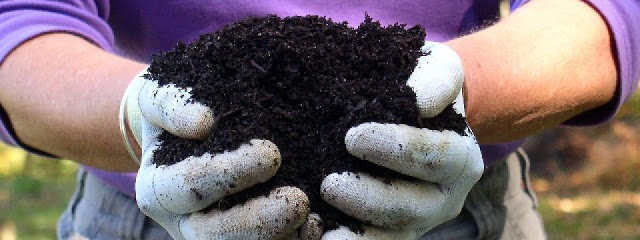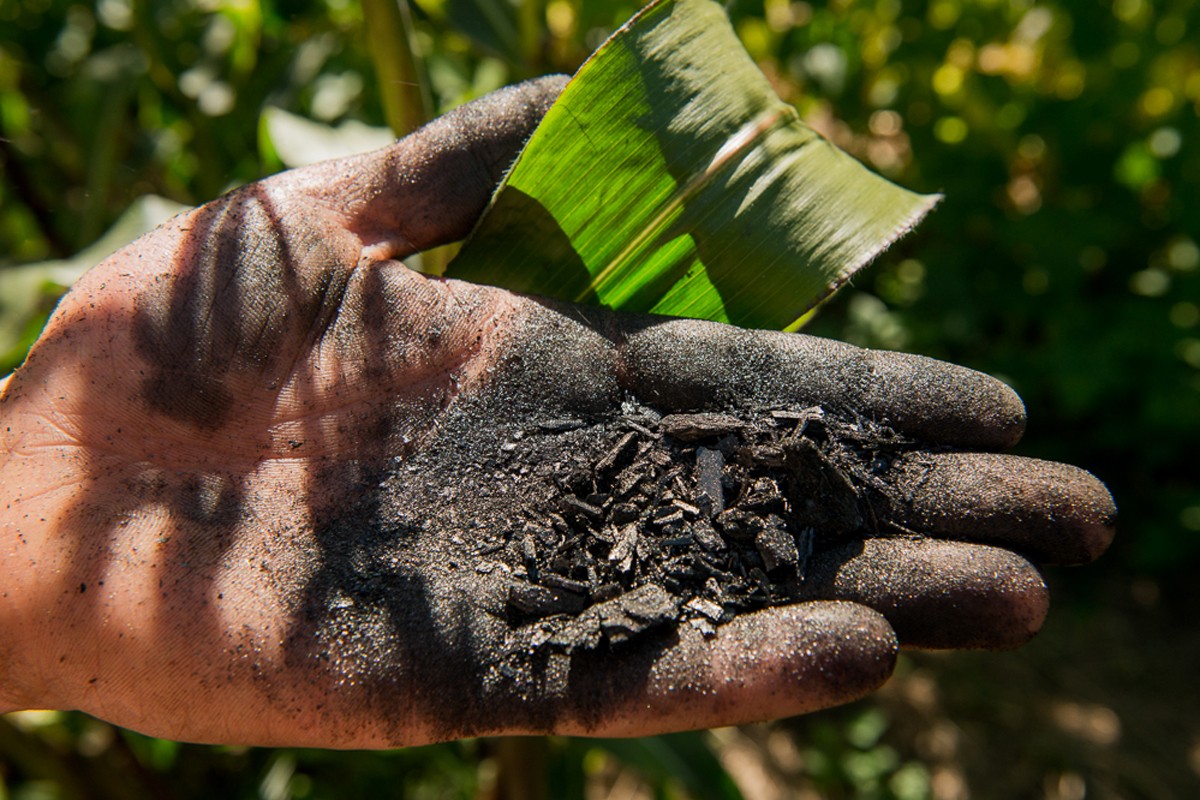

Promoting phosphate-rich organic manure (PROM) as a substitute for di-ammonium phosphate (DAP) in alkaline soils may lead to saving huge subsidy of Rs.35,000 crore being spent by the government on DAP and single super phosphate (SSP) fertilizers now.
“Buy Organic Products Online at best prices at http://www.getgreen.co.in “.
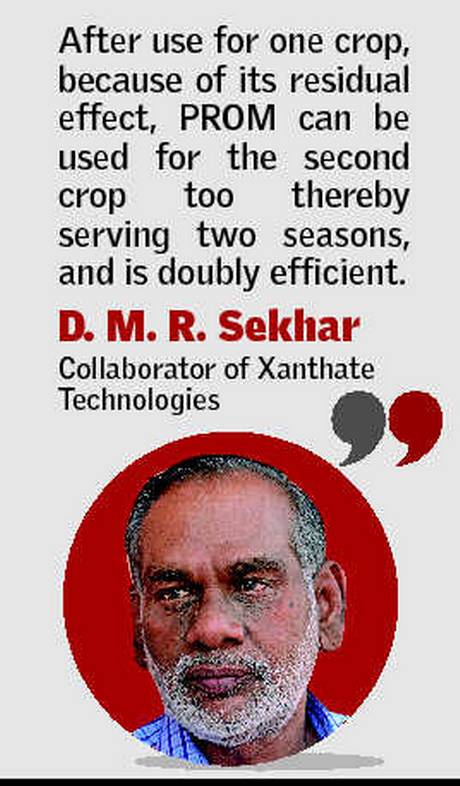
Using rock phosphate and organic manure to make PROM is quite effective and beneficial as rock phosphate is not water soluble and is retained by the soil. After use for one crop, because of its residual effect it can be used for the second crop too thereby serving two seasons and is doubly efficient, says D.M. R. Sekhar, collaborator of Xanthate Technologies.
Read Also : Organic Pesticides and Organic Fertilizers: Environmentally Friendly Alternatives Of Sustainable Farming
Water solubility
On the other hand, because of its water solubility DAP dissolves in water, is washed away or percolates into the ground.
Only 30 per cent of DAP applied as fertilizer is utilised by the plant and hence its use efficiency is 30 per cent and 70 per cent is wasted, explains Dr. Sekhar, a mineral engineer, who authored a paper along with N.C. Aery in ‘Current Science’ about 15 years ago.
The research was conducted at M.L. Sukhadia University in Udaipur. Owing to the support extended by K.S. Money during his tenure as Managing Director, Rajasthan State Mines and Minerals Limited, the technology was validated by agricultural scientists in 2004.
Besides, the press mud produced by sugar factories can also be converted into PROM by supplying rock phosphate to the factories, says Dr. Sekhar.
Read Also : ADVANTAGES AND DISADVANTAGES OF USING ORGANIC FERTILIZER
Stumbling blocks
The stumbling blocks in the use of PROM not catching up are non-availability of rock phosphate of the required size and grade and lack of awareness among farmers.
Commercially, large-scale manufacturing of PROM is not being done in the country and Dr. Sekhar admits that there are only one or two plants making PROM. A representative of a Bombay-based company has admitted that it has been two years since it stopped making PROM in view of logistics and cost-effectiveness in transporting rock phosphate.
Dr. Sekhar suggests that phosphate fertilizer companies which have access to rock phosphate and availing themselves of the subsidy should be asked to manufacture PROM to at least 20 per cent of production capacity.
Besides, providing rock phosphate in 50 kg bags for use with organic manure at the doorstep of farmers and spreading awareness on PROM through krishi vignan kendras (KVKs), the frontline extension centres of Indian Council of Agricultural Research, are also needed to popularise it.