The loss of snow cover in temperate forests is set to slow their growth and reduce their ability to remove carbon from the atmosphere, an overlooked consequence of climate change
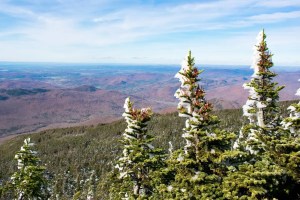
Many forests are losing their winter snowpack as global temperatures rise, and that could substantially slow their growth – and reduce the amount of carbon they remove from the atmosphere.
Current projections “are not incorporating that complexity of winter climate change, so they are likely overestimating what the future carbon storage will be”, says Emerson Conrad-Rooney at Boston University in Massachusetts.
Warming temperatures are generally expected to boost growth in temperate forests, mainly by spurring decomposition and making more nutrients available during the warm growing season. However, models largely don’t account for changes during winter – especially the loss of snow.
_______________________________________________________________________
Read Also : Nature Reclaims Its Glory, Ozone Layer Heals, Amidst Coronavirus Lockdown
“The loss of deep, insulating snowpack cannot be understated,” says Elizabeth Burakowsi at the University of New Hampshire. Her research has shown deep snow days will disappear across most of the US by the end of the century, with consequences for water storage and ecosystem health.
To get a better handle on these cold-weather changes, Conrad-Rooney and their colleagues simulated how a global temperature increase of 5°C would affect the growth of red maple trees (Acer rubrum) in an experimental forest in New Hampshire. In some plots, they used buried cables to warm the soil during the growing season. In others, they also removed snow during winter and warmed the soil to induce cycles of freeze and thaw.

Measured over 10 years, the trees in both plots grew more than trees that were left alone. However, the plots where the snow was removed grew much more slowly, adding about half as much growth. The researchers attribute this difference to root damage caused by the snowless soil being more exposed to changing temperatures.
“The snow typically acts as an insulating blanket to keep soils from freezing,” says Conrad-Rooney. “With less snow, there are more freeze-thaw cycles.”
_______________________________________________________________________
Read Also : Arctic methane release due to melting ice is likely to happen again
_______________________________________________________________________
Extrapolating to similar forests across the Northeast US, the researchers estimate the loss of snowpack expected by the end of the century would reduce carbon storage by a little over one million tonnes per year, compared with models that don’t account for disappearing snow.
“Snowpacks that come and go throughout the winter diminish the stable soil conditions our north-east ecosystems require for long-term storage of carbon,” says Burakowski.
However, not all snow-covered forests will respond to snowpack loss in the same way as the deciduous forests of the Northeast, says David Bowling at the University of Utah. He points out accurately modelling various ecological responses remains a big challenge. “There’s so many things that are changing,” he says.
NOTE – This article was originally published in newscientist and can be viewed here
Tags: #carbon, #climate, #coldweather, #environment, #forest, #getgreengetgrowing, #globaltemperatures, #gngagritech, #greenstories, #nature, #nutrients, #wildlife