“Climate change is no longer some far-off problem; it is happening here, it is happening now”
Climate change is real, it might seem far away- a problem you can’t see or touch or feel everyday but it is happening and it is global. To get an idea about what is at stake then just look at your plate. The planet’s climate is changing this is undeniable climate change presents a critical challenge for global food security the men and women who produce our food farmers herders and fishers are hit the hardest by the consequences of climate change. Farming communities need to build their resilience and ability to adapt to changing in a way that they can feed a growing population without further depleting our precious reserves of soil and water, this is why we need climate smart agriculture.
________________________________________________________________________
Read Also: In our fight against climate change, don’t forget agriculture
________________________________________________________________________
Climate smart agriculture is not a new technique, it is an approach to identify production systems that can best respond to the impacts of the climate change and to adjust these systems to suit local environmental conditions now and in the future. This approach can help transform agriculture systems to support sustainable development and food security in a changing climate. It is about changing sustainably production and income adapting and building resilience to the impacts of climate change and wherever possible reducing greenhouse gases.
Right now, we are facing man-made disaster of global scale. Our greatest threat in thousands of years. We can make climate smart agriculture reality where we will need to expand the evidence base policymakers need to know the current and projected impacts of climate change and just how vulnerable the agricultural communities and ecosystems really are improving policies people working in many different fields like agriculture climate change, food security and land use need to collaborate work together on supportive policies and plans considering the entire landscape.
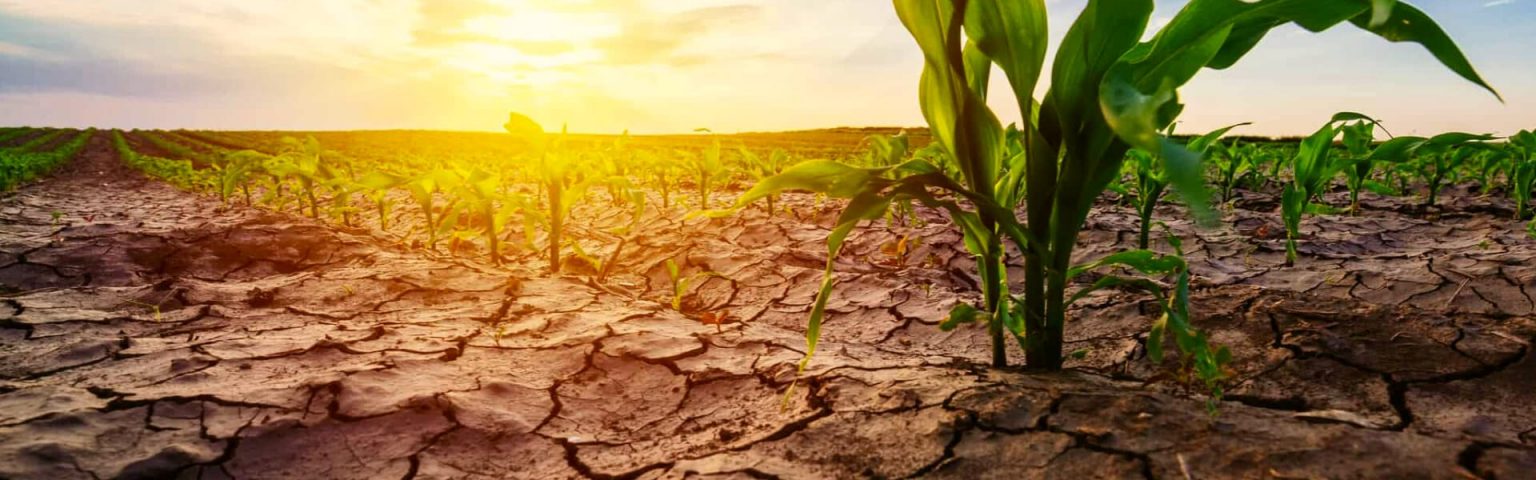
Food is profoundly affected by climate change from how it is produces to what we can grow in the first place. Climate change will hit our food production system in four ways where it is trough temperature, water, extreme weather and carbos dioxide. Most of us will feel temperature first and so will crops, production of staples like corn, soybeans and cotton are projected to increase at first then decrease sharply as the average sharply as the average growing season temperature keeps getting warmer. For corn alone, it could mean a decrease of 3% in yield or more than 300 million bushels and that is enough corn to feed 40 million people.
________________________________________________________________________
Read Also: CLIMATE CHANGE AND DEVELOPING NATIONS
________________________________________________________________________
It is not just cropping, livestock will suffer in the heat too where heat related stress will mean fewer animal pregnancies, less milk production, longer times for livestock to reach market weight.
Does anyone benefit from heat? Yes, it is pets, the ones that live on our livestock that means more diseases spread by insects and it is already happened in North Europe. As the region has warmed, “Bluetongue Virus” has moved north, killing more of these animals along with widespread disease could hit crops like corn too as heat loving earworms spread north to the upper Midwest and heat-tolerant viruses like rusts and tobacco mosaic finish off weakened plants.
Disease and heat will be even bigger problems as climate change affects water, a dry climate means less production and more pests. Water has complicated relationship with crops where it is all about the right amount at the right time. Too much early on for corn stunts growth; too little later on does the same, irrigation systems keep the balance but their sources may dry up as droughts increase. In the Mississippi Delta region, this could put 75% of the rice crop at risk and this rice will also confront another water problem like saltier water as sea levels rise.
Droughts could be brought on by more erratic rainfall part of the pattern of increasingly extreme weather events and when extreme weather brings violent downpours, there is another issue where sol erosion and runoff increase. All these pieces of the climate puzzle like floods, droughts and heat waves can affect crops and livestock at key moments in their development turning even a productive reason into a disaster. We are already seeing a rise in extreme weather events, 2019 was the most disastrous year on record with 16 extreme weather incidents that cost over one billion dollars. 2020 was close second severe storms continue to cost us billion, all of these changes circle back to the key driver of climate change with increased carbon dioxide which has its own direct effect on agriculture. Carbon dioxide helps plants grow, more of it could actually help crops get bigger but CO2 helps weeds and invasive species grow even more.
________________________________________________________________________
Read Also: How Climate Change Is Impacting Global Hunger? An Expert From United Nations World Food…
________________________________________________________________________
Crops that survive the weeds could be compromised, with less nutritional value for example, could have protein levels drop by more than 10%. This is complicated business because everything’s connected, it all boils down to this. Climate change could leave us with less food and the food we end up with could be less nutritious. There are steps that can be taken to mitigate and adapt to these changes, they are the key to our food and our future and what will be on your plate? If we don’t act the collapse of our civilizations and the extinction of much of the natural is on the horizon. The world’s people have spoken and their message is clear but time is running out because the amount of carbon dioxide in the atmosphere now is 50 higher than it was.
NOTE – This article was originally published in agriculture goods and can be viewed here