The Shami tree (scientific name: Prosopis cineraria), commonly known as Jand or Khejri, is a deep-rooted, perennial, multipurpose tree that is used to provide fodder for cattle in the drier areas of India and the Arabian Peninsula. Its bark is also ground up to make flour and is used during famines. It also has a plethora of ethnomedicinal benefits and commercial uses as well. It is native to Southern Asia and belongs to the pea family, Fabaceae.
How to identify a Shami tree?
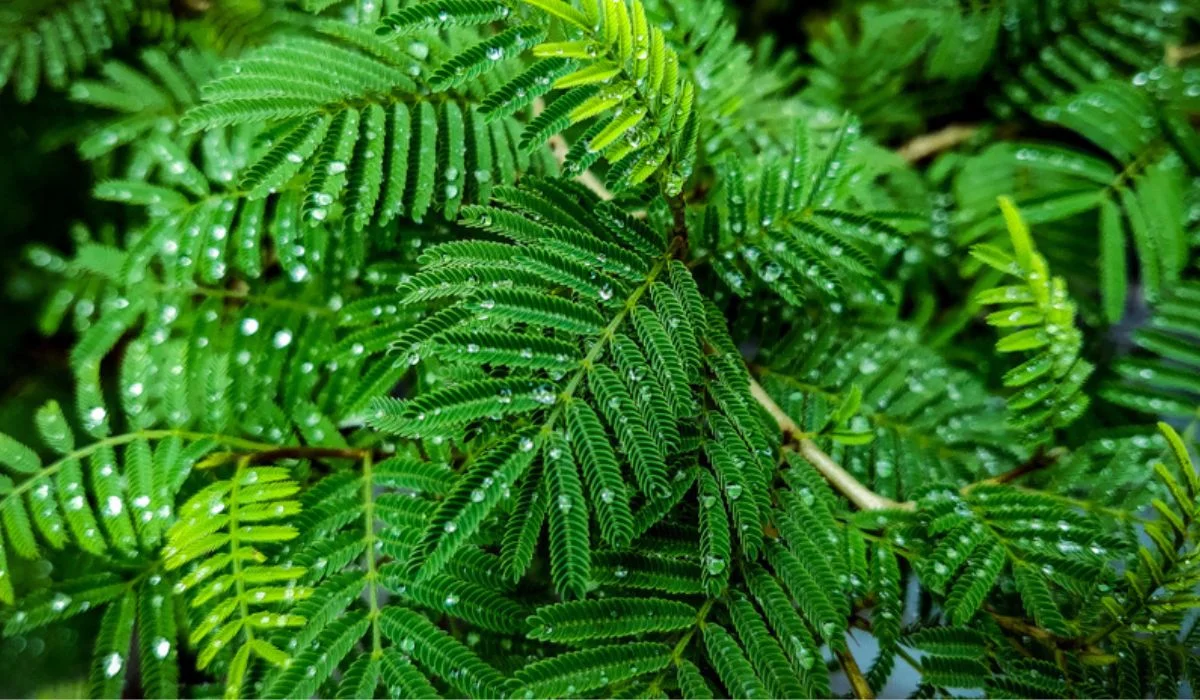
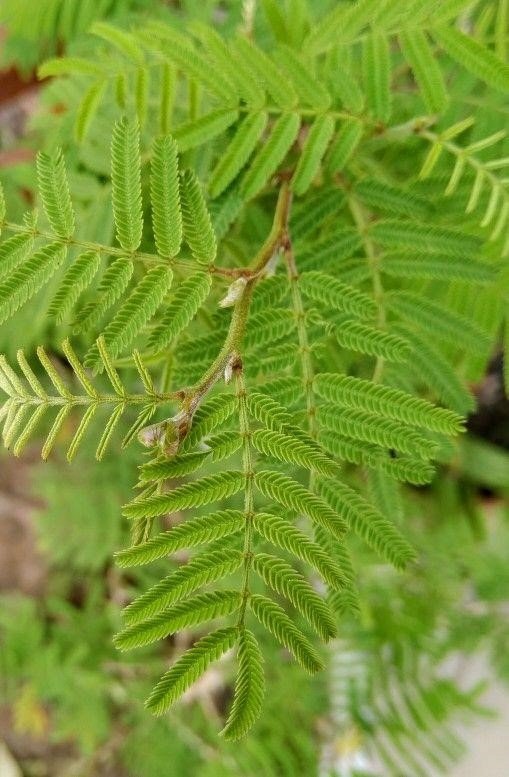
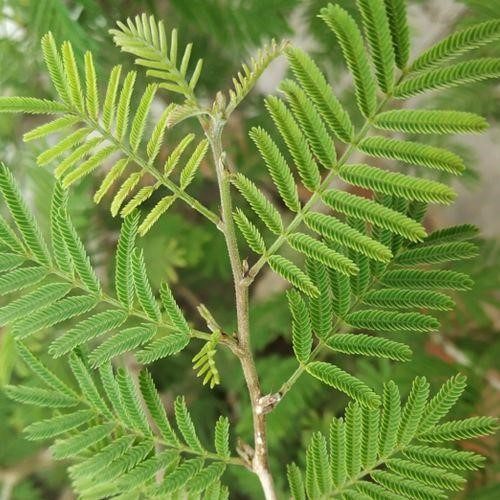
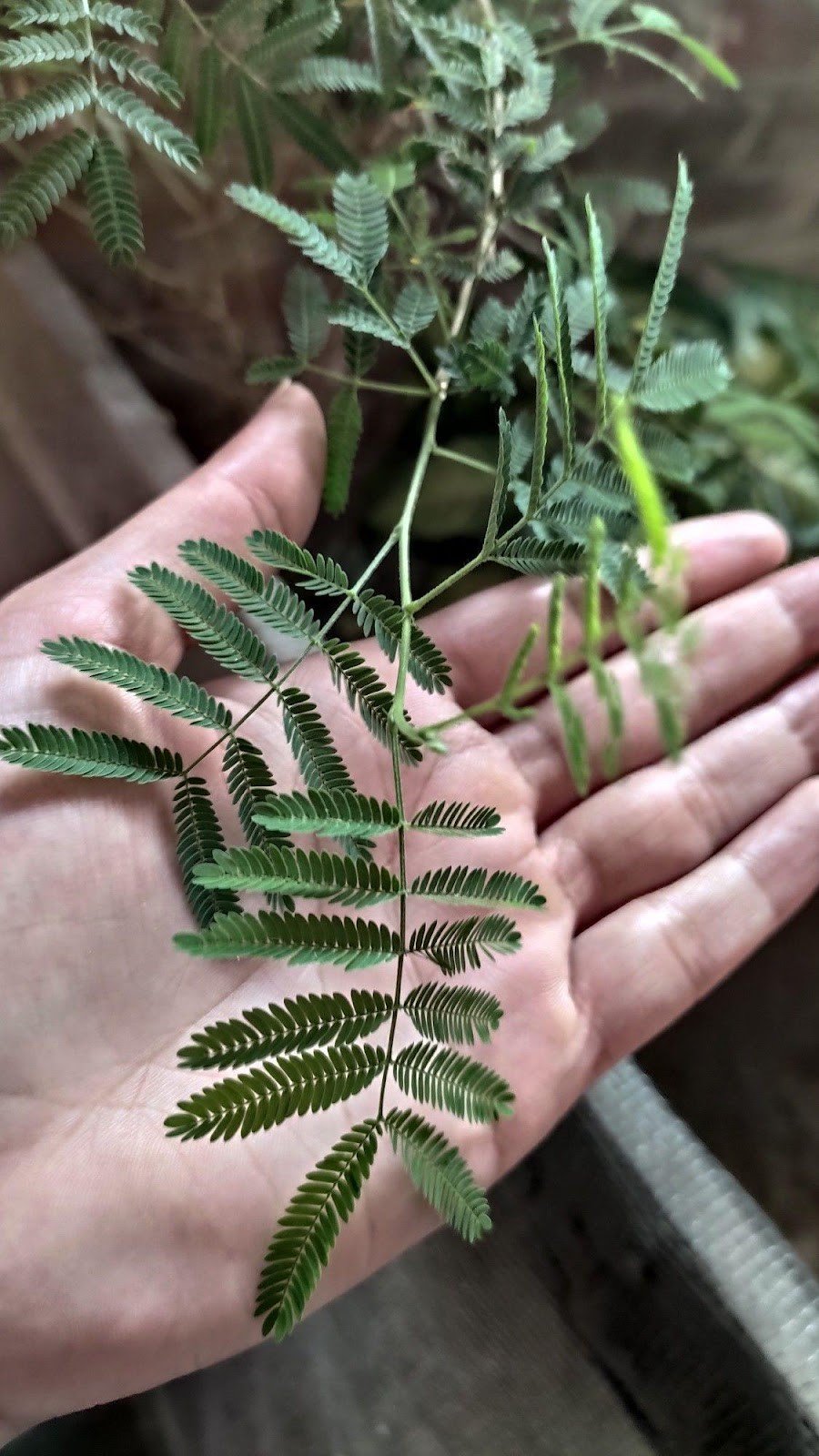
It is a moderate-sized evergreen tree with conical thorns and light-green bluish foliage. The leaflets, which are dark green, have a tiny, pointy end. Shami tree is medium sized and has whitish bark and branches. The bark removes papery flakes and there are dark horizontal patches in the tree at frequent intervals. The flowers of the Shami tree are very small and insubstantial and yellow or creamy white in colour.
The Shami plant is mainly known for its foliage, which is used to feed cattle and is a godsend in times of famines. In Indian culture, it is also known that keeping a Shami plant inside your house is said to be auspicious for your household. It is worshipped in many Hindu households and holds great significance in Hindu mythology.
________________________________________________________________________
Read Also : Climate Change and how can YOU fix it
________________________________________________________________________
Source: Pinterest
Shami tree: Quick facts
| Scientific name | Prosopis cineraria |
| Family | Fabaceae |
| Common name | Jand, Khejri, Shami |
| Toxicity | Non-toxic |
| Sunlight | Full sun exposure required |
| Soil type | Sandy, loamy |
| Soil pH | Mildly acidic |
| Origin | Southern Asia |
| Mature size | 15-20 ft. tall, 10-15 ft. wide. |
What is Shami tree called in other languages?
Bangla: Saikanta
Hindi: Chhikur
Oriya: Gonharea
Sanskrit: Samee or shami
How to grow a Shami tree?
Source: Pinterest
Shami trees are very lenient when it comes to growing. They require little to no effort to grow and maintain and can adapt to higher temperatures easily.
________________________________________________________________________
Read Also : What Should the SEC Require in Climate Change Disclosures?
________________________________________________________________________
The Shami plant can be grown in two ways, through cutting and sowing. These two methods are known to be the most effective as they save time and are easy to learn as well.
For growing through cutting, follow these simple steps
- Take cuttings from a healthy plant and cut the stems at a 45-degree angle. Cut at least 3-4 stems to ensure certain growth.
- Remove all the leaves from the stem’s sides. Removing the leaves at the top is optional. Dip the cuttings in a rooting hormone after they are ready. You can make it at home by mixing three parts aloe vera gel with one part honey. This will accelerate the rooting process.
- Create a potting mix consisting of loamy soil, compost and sand. Get a well-drained pot to avoid sand from draining out of the drain hole. You can choose to put some dishes or stones at the bottom of the pot and add the potting mix on top of it. Add it only to the bottom third of the container.
- Once prepared, use your fingers to poke a hole in the mixture. Dip or coat the Shami plant stem in a rooting hormone such that the bottom of the stem is covered in it. Place the cuttings into the soil and carefully fill the remaining spaces with the surrounding soil.
For growing with seeds
- You can purchase seeds from a nearby nursery or even order them online.
- Soak the seeds for a minimum of 12-24 hours before potting to ensure healthy sprouting.
- After soaking, scrape the outer layer lightly, be sure not to hurt the embryo.
- Bury the seed in potting soil and mist it slowly.
- Keep the pot in direct sunlight to promote faster germination.
Source: Pinterest
How to take care of the Shami plant ?
Grow the plant in a lot of indirect sunlight. The Shami needs a ton of light to grow, especially during the germination phase. Place the plant in a place with a bottom shade and plenty of light for the plant. Keep it in temperatures ranging from 9 degrees Celsius to 20 degrees Celsius for germination. Place it in a warmer spot once it has sprouted. In hotter states like Madhya Pradesh, Gujarat, and Rajasthan, provide the plant with plenty of shade as excess sunlight can damage it.
How do you take care of the shami plant at home?
Feed the plant plenty of water during the germination stage. Once it has passed, the khejri doesn’t require a lot of water. Water it every time the topsoil has dried. Don’t forget to keep the soil moist during the germination stage.

Source: Pinterest
________________________________________________________________________
Read Also : How Climate Change Is Fueling Extreme Weather
________________________________________________________________________
Shami plant: Uses and benefits
Even though it seems far-fetched, the Shami plant is believed to be just as beneficial in terms of health as a tulsi plant. Its fruits, stamps, leaves, roots and juice; are all believed to have tremendous amounts of health benefits like anti-ageing, better heart health and improved digestion.
The Shami plant has proved to be of immense significance in the medicinal field. It is used in ayurvedic medicine for disorders like schizophrenia, respiratory tract infections, mental disorders, constipation, diarrhoea, and many other ailments.
The dried bark is used to treat canker sores. It is crushed into a fine powder and applied externally to promote healing. A decoction of ground-up bark is also used to gargle to relieve sore throat and toothache. The tender leaves are also used as an antiseptic and a remedy for diarrhoea and dysentery.
The extract from the leaves is used to treat parasitic infections and kill parasitic worms in the intestine. The pods are used to treat urinary disorders.
Vastu placement of the Shami plant
North or east direction: According to the principles of Vastu Shastra, the Shami tree should be planted in the north or east direction of your property. This helps the plant get good amount of sunlight and positive energy. Do not plant it near any structure whose shadow may fall on the tree. This is not good for the growth of the tree.
Front garden: Its recommended to plant the Shami tree near the garden areas as this stands for welcome, prosperity and safety for the residents of the house. Note that it should not be planted near the entrance of the house as the tree may obstruct the energy flow.
FAQs
Can the Shami plant be placed indoors?
The Shami plant needs plenty of sunlight. It can be placed near the doorstep for religious purposes but should not be placed indoors.
Can you grow a Shami plant from scratch?
The Shami is a very beginner-friendly plant that can be grown from scratch. Buy seeds from a local nursery or online websites, and you’re good to go.
What Vastu guidelines should be followed for the Shami plant?
Place it in the south direction of your home and if there’s no direct sunlight, keep it to the east or northeast. It should be planted at an appropriate time during the day as well. Consult a Vastu expert for accurate information.
What are the uses of the Shami tree?
The leaves and pods of the Shami tree are used as animal fodder. Its wood is used for fuel and making furniture. It also has medicinal properties and is used to treat various ailments such as diabetes, fever, and respiratory problems. In addition, shami tree is considered a sacred tree in Hinduism and is used in religious ceremonies.
What are the environmental benefits of shami tree?
The Shami tree helps prevent soil erosion and desertification by anchoring the soil with its roots. It also provides shade and shelter for animals and birds.
What are the challenges associated with the Shami tree?
Growing a Shami tree can be challenging as the tree is prone to insect pests and diseases.
NOTE – This article was originally published in housing and can be viewed here
Tags: #garden, #gardening, #getgreengetgrowing, #gngagritech, #greenstories, #Jand, #Khejri, #nature, #plant, #shamiplant, #trees