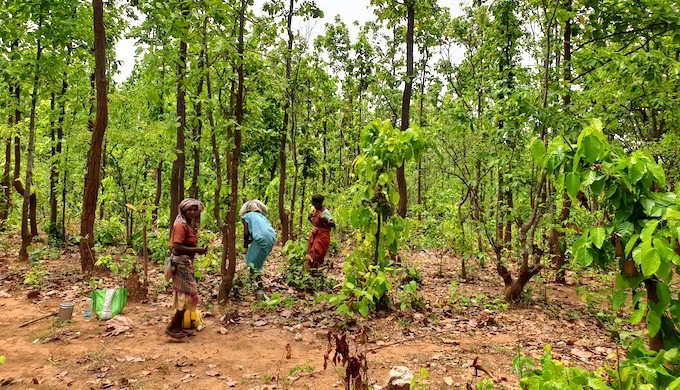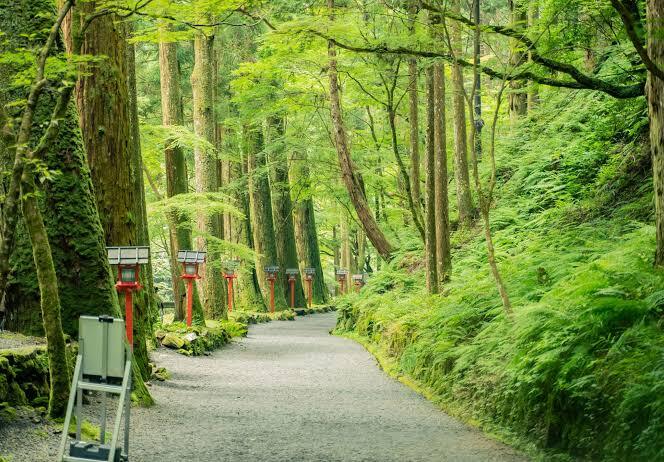
The ingenious method, originating in 14th-century Kyoto, cultivates multiple straight shoots from a single cedar trunk, yielding exceptionally strong and flexible wood.
1/6
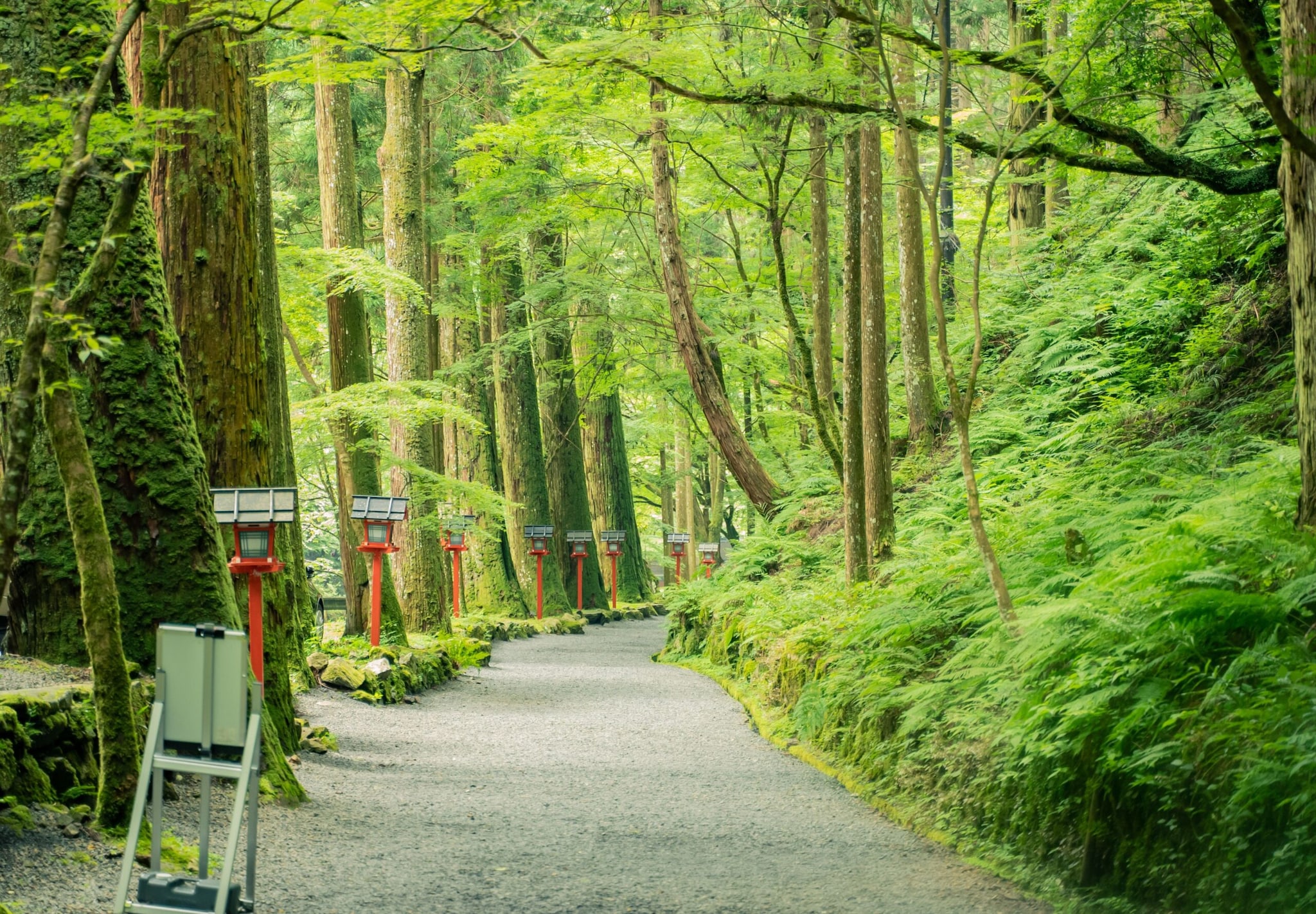
Daisugi, a sustainable forestry practice, is a 600-year-old Japanese method of pruning and harvesting that produces strong, durable wood without having to use the axe. The practice is believed to have originated in Kitayama city, almost 20km northwest of Kyoto. (Image: Pexels)
________________________________________________________________________
2/6
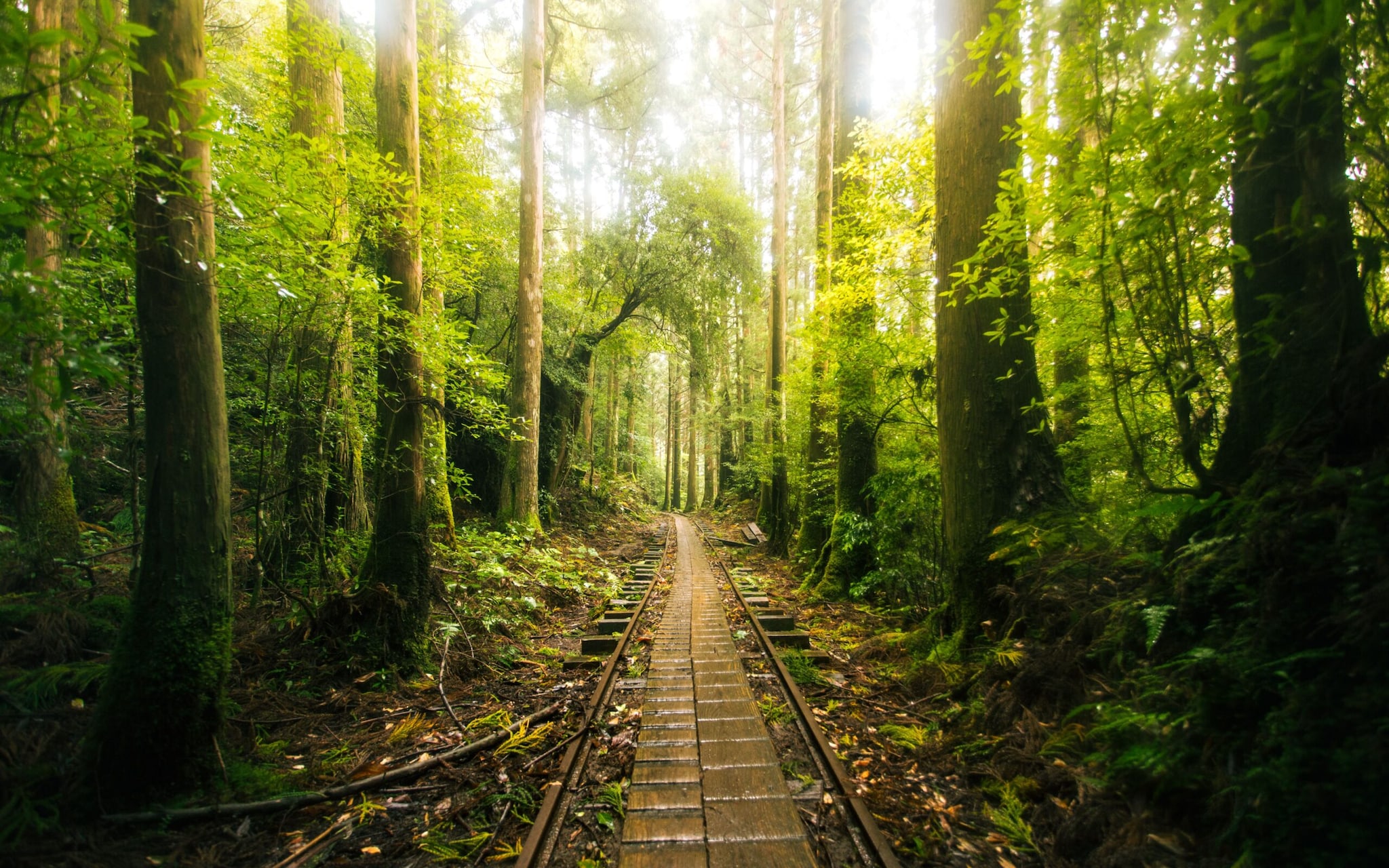
According to a report by Lampoon Magazine, legend has it that Kyoto’s foremost tea master, Sen-No-Rikyu, developed a deep appreciation for the exceptional quality of Kitayama cedar, inspiring the technique that would later become known as Daisugi. (Image: Pexels)
3/6
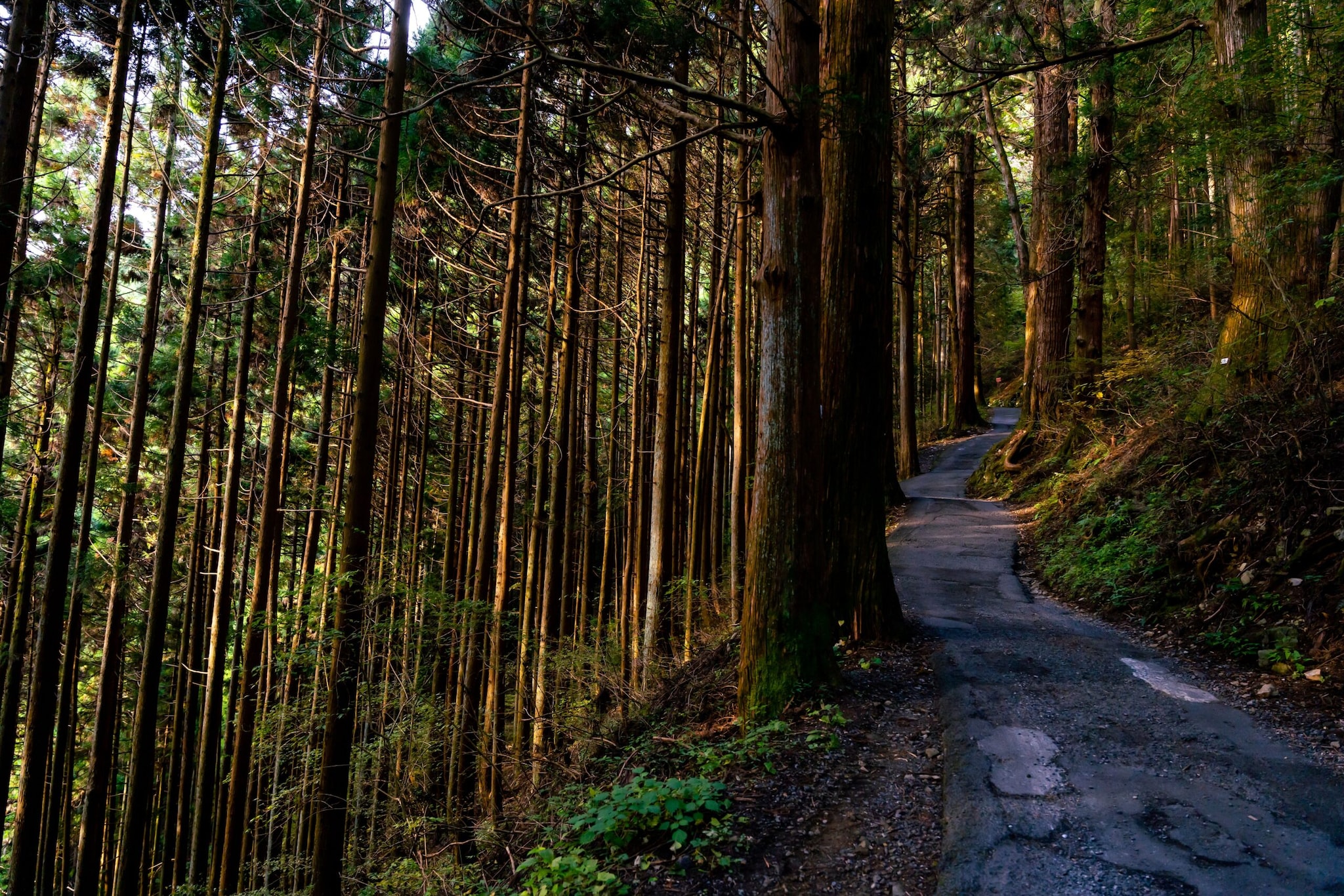
Kyoto’s rugged and mountainous terrain made it difficult to cultivate and grow trees. Additionally, there was also an inadequate supply of timber for use in manufacturing and building homes. Hence, an absence of natural resources led the locals to opt for a unique approach, influenced by bonsai pruning techniques. (Image: Pexels)
4/6
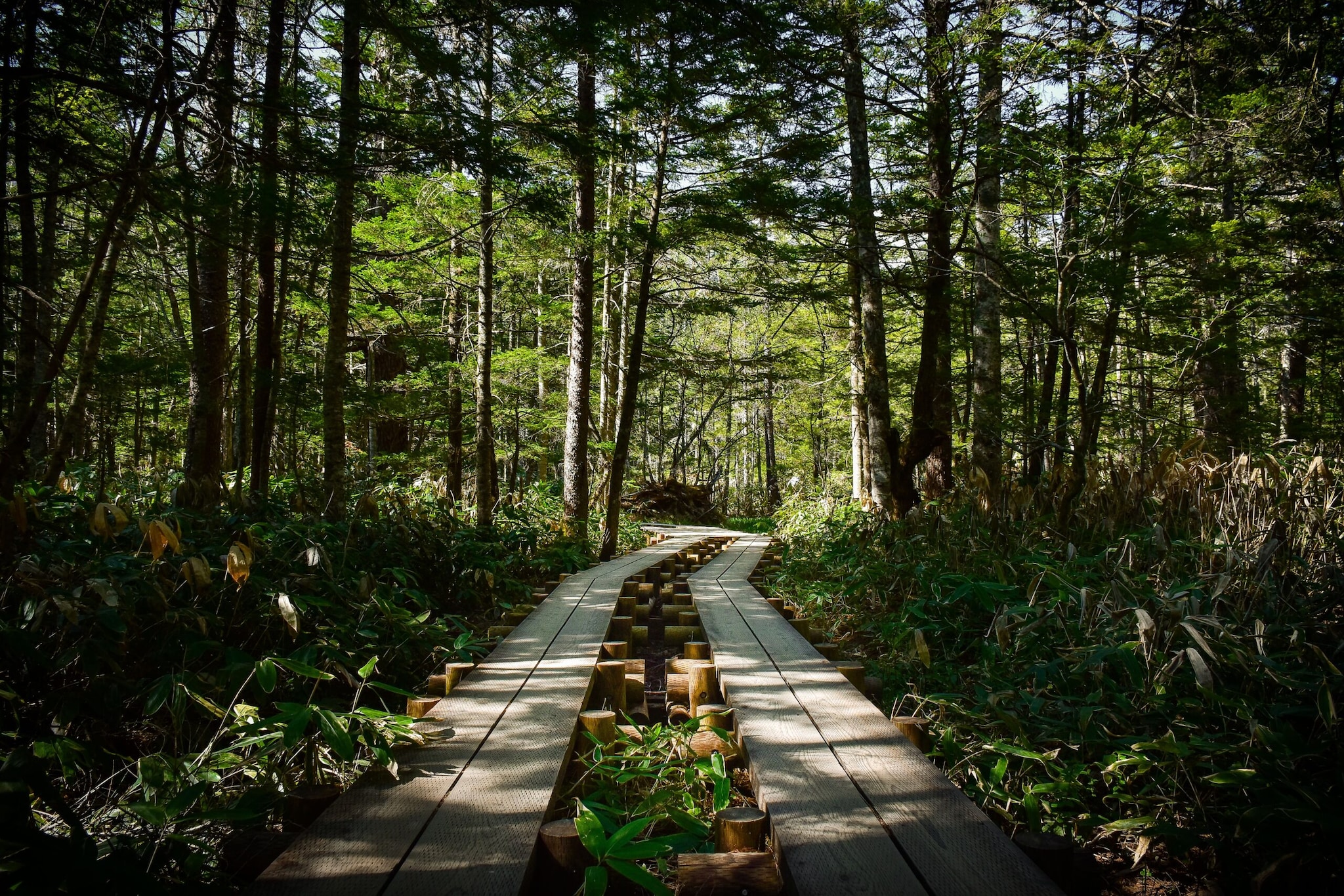
The Daisugi method involves carefully pruning cedar tress so that multiple straight shoots grow upward from a single trunk. Eventually, these shoots develop into long, uniform, knot-free timber prized for construction and craftsmanship. The technique turns one mature cedar into a living platform that continuously produces new wood. (Image: Pexels)
________________________________________________________________________
5/6
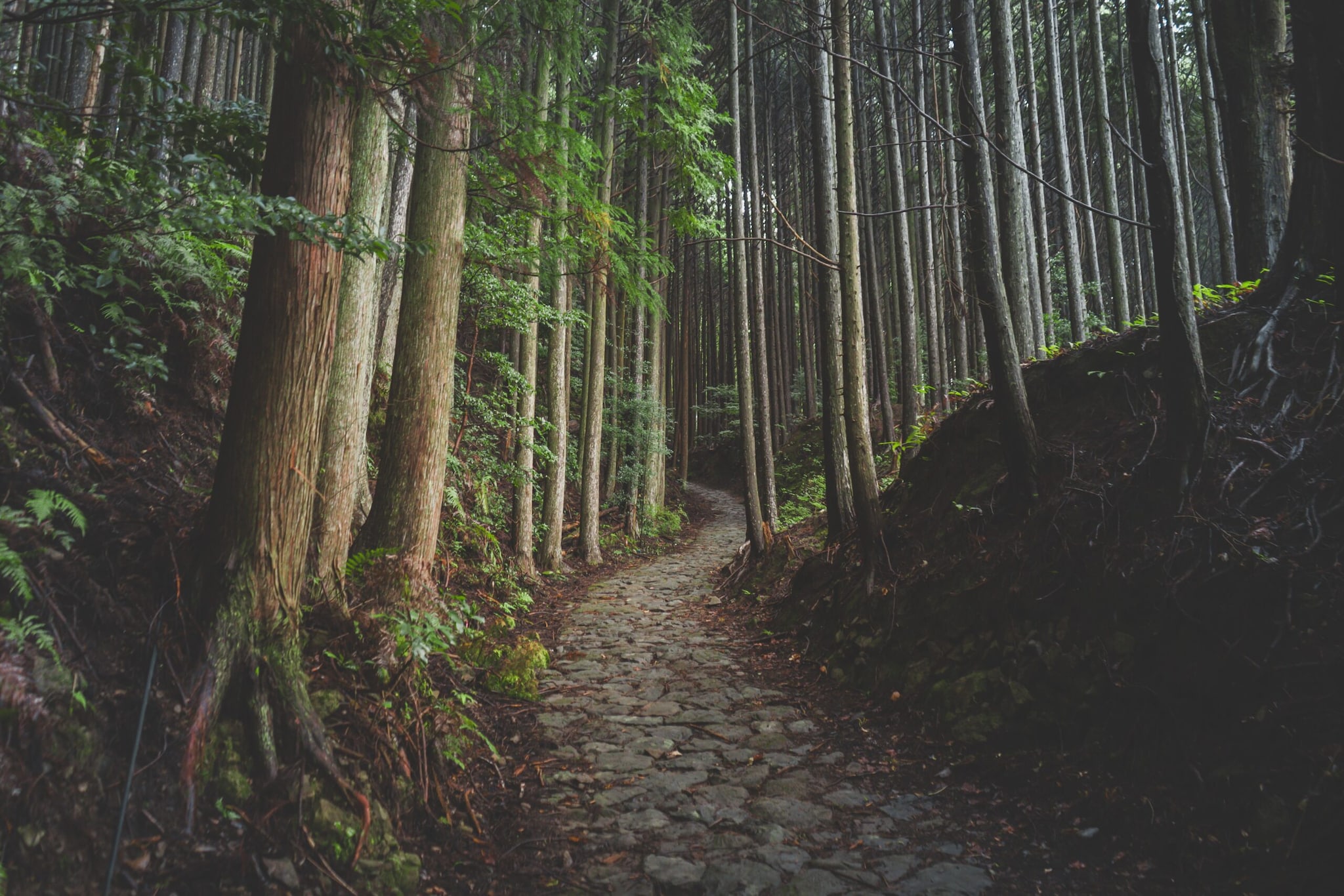
Over the time, the tree takes on distinctive palm-like appearance, with several vertical trunks emerging from the top. As the ‘mother tree’ remains alive, forests can harvest the new growth every few decades, allowing a single tree to yield dozens of timber logs over its lifetime. (Image: Pexels)
6/6
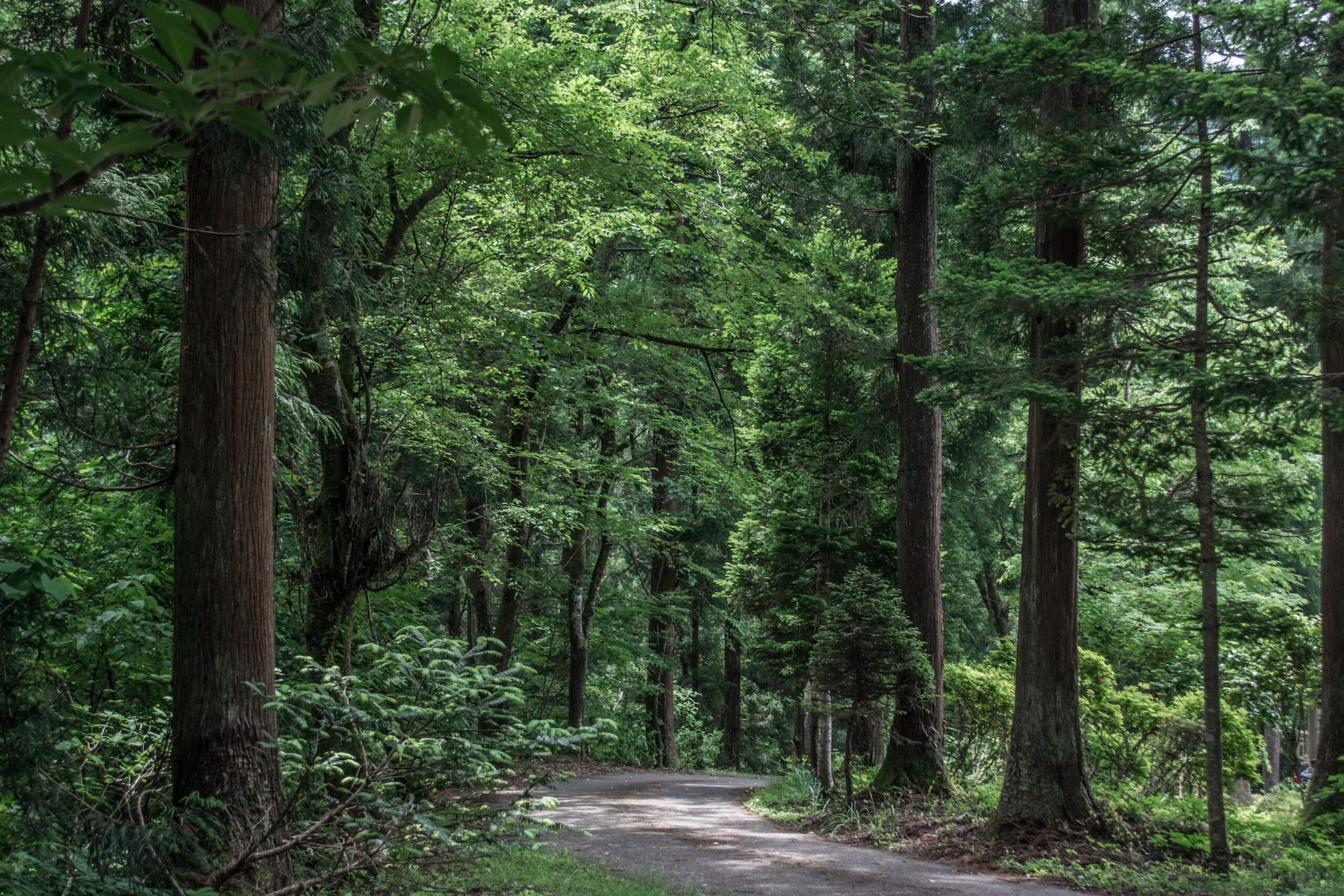
The shoots are gently pruned by hand every 2 years, while harvesting takes 20 years. The old ‘tree stock’ can grow up to a hundred shoots at a time. The wood produced with the Daisugu technique is 140% more flexible as well as 200% denser and stronger than standard cedar. Daisugi is mostly used in gardens or bonsai today. (Image: Pexels)
NOTE – This article was originally published in News 18 and can be viewed here
Tags: #climate, #climatechange, #environment, #getgreengetgrowing, #globalwarming, #gngagritech, #greenstories, #Japan, #superwood, #timber, #wood