https://www.viralspices.com/blog/know-about-indian-lentils-and-its-benefits
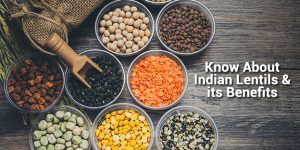
Lentils, Around 8,000 B.C., these beans were first cultivated in the Middle East, and they’ve been making their way west ever since. The bean was seen as a poor man’s supper along the road by Greeks, while it was regarded as regal food by Egyptians.
The lentil was first brought to the Americas in the early 16th century. During World War II, it became known as a low-cost, high-protein beef substitute.
There are numerous variations of the lens-shaped bean. Brown, green, and red are the most prevalent colours. Gluten-free cuisine is popular among dietitians since it is high in nutrients. Its mild flavour makes it the ideal canvas for additional foods and spices, according to chefs.
________________________________________________________________________
Read Also : REFINED OILS
________________________________________________________________________
Health Advantages

Lentils come in second place in terms of protein content when compared to other legumes (soybeans take top honors). They can provide the same grade of protein as meat when paired with a whole grain, such as brown rice. However, choosing lentils over red or processed meat is a better decision for your heart.
Bones, muscles, and skin are all made up of protein. It can also help you lose weight by keeping you fuller for longer than other nutrients.
Fiber also fills you full. It’s abundant in lentils. A single serving provides 32% of your daily fibre requirements. It has the ability to reduce cholesterol while also protecting against diabetes and colon cancer. Fiber drives waste through your digestive tract and helps to avoid constipation.
Lentils also include potassium, folate, and iron, which have several health advantages. Potassium reduces blood pressure by counteracting the negative effects of salt. Folate helps your body create red blood cells and protects your heart. Folate is essential for the growth of your kid if you’re pregnant. Iron aids in the prevention of tiredness.
________________________________________________________________________
Read Also : TURMERIC : THE MAGIC SPICE
________________________________________________________________________
Is it necessary to soak lentils before cooking them?
Lentils are usually washed before cooking, although only a tiny fraction are soaked. Legumes like rajma and chole must be soaked overnight in order to cook quickly. Because other dals are cooked fast, most people skip soaking them. But did you know that soaking has several benefits and is necessary prior to cooking?
The majority of people wash lentils before cooking them, but just a small percentage soak them. To be cooked rapidly, pulses like rajma and chole must be soaked overnight. Most people don’t soak other dals since they cook quickly. However, did you know that soaking offers a lot of advantages and is required prior to cooking?
Why do you need to soak the lentils?
Certain pulses have a proclivity for producing bloating and gas in the body. Lentils include phytates and lectins, which may help reduce cholesterol and eliminate gas-producing substances in the body. Soaking and boiling foods containing lectins and phytates, according to the Harvard T.H. Chan School of Public Health, can neutralise these chemicals and perhaps lessen stomach issues.
Phytate levels are high in lentils cooked straight from the packet, while phytate levels are significantly lower in lentils that have been soaked overnight before cooking. Phytates are complex phosphorous compounds derived from plant seeds that have six sub-groups that form strong bonds with calcium, iron, manganese, and zinc molecules, leaving these essential metals intractable and inaccessible to digestion.
These minerals would most likely come from meals consumed at the same time as phytates, as plants do not have substantial amounts of them.
The advantages of soaking
An enzyme called phytase is activated when the dal is soaked for a period. Phytase aids in the digestion of phytic acid and the binding of calcium, iron, and zinc. This greatly facilitates the absorption process. Soaking lentils also activates amylase, a compound that breaks down complex starch and makes them easier to digest.
The lentils’ gas-causing chemicals are also removed during the soaking procedure. Complex oligosaccharides, a kind of complex sugar that causes bloating and gas, are found in most legumes.
Soaking lentils enhances mineral absorption in the body. An enzyme called phytase is activated when the dal is soaked for a period. Phytase is a protein that assists in the digestion of phytic acid and the binding of calcium, iron, and zinc. The absorption process is considerably simplified as a result of this.
________________________________________________________________________
Read Also : Winter Season’s Vegetable Basket List
________________________________________________________________________
What is the best way to soak lentils?
To begin,
- Place the dal in a dish and cover it with water. Change the water 3-4 times and gently wipe it with your fingertips to clean it.
- Alternatively, you may wash the dal in a strainer and then rinse it under running water.
- Fill a bowl halfway with water and add the dal. Allow 30 minutes to 2 hours for the dal to soak, depending on the type of dal. Whole pulses should be soaked for 2 hours, whereas split pulses should be soaked for 30 minutes or 1 hour. Not only will this break down complex carbohydrates, but it will also reduce cooking time.
- Before using, wash 3-4 times more.
- Now the daal/lentil is best suitable for cooking. Cook and enjoy your share of protein.
Tags: #cooking, #food, #foodie, #foodphotography, #foodporn, #foodstagram, #getgreengetgrowing, #gngagritech, #greenstories, #healthyfood, #homemade, #indianfood., #instafood, #lentils, #plantbased, #rice, #vegan, #veganfood, #veganrecipes, #vegetarian, #yummy