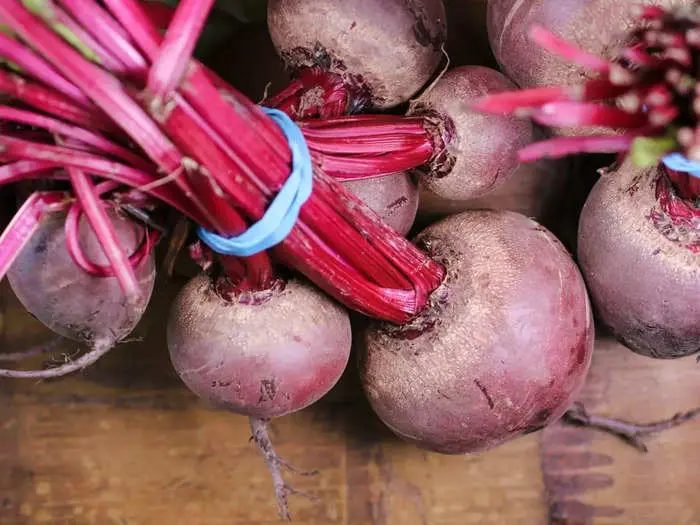
The vibrant beetroot, with its deep red hue, has long been a staple in culinary traditions around the world. Beyond its striking appearance, this root vegetable boasts an array of health benefits and versatile culinary uses. In this article, we will delve into the world of beetroot, exploring what it is, its nutritional value, health benefits, culinary versatility, types, buying and storing tips, precautions, potential side effects, and creative ways to incorporate it into your diet.
What is Beetroot?
Beetroot, scientifically known as Beta vulgaris, is the edible root of the beet plant. It is commonly referred to as “beet” in North America and “beetroot” in other parts of the world. Beetroot is well-known for its deep red color, but it can also be found in varieties with yellow or white roots.
________________________________________________________________________
Read Also: India emerged as a ‘responsible global voice’ on climate change: President Kovind
________________________________________________________________________
Nutritional Value
Beetroot is a nutritional powerhouse, rich in essential vitamins, minerals, and antioxidants. A 100-gram serving of beetroot provides approximately:
Calories: 43
Carbohydrates: 10 grams
Fiber: 2 grams
Vitamin C: 4.9 milligrams (8% of the Daily Value)
Folate (Vitamin B9): 109 micrograms (27% of the Daily Value)
Iron: 0.8 milligrams (4% of the Daily Value)
Potassium: 325 milligrams (9% of the Daily Value)
Beetroot is also known for its high nitrate content, which has been linked to various health benefits.
Health Benefits
Heart Health: The nitrates in beetroot may help lower blood pressure and reduce the risk of heart disease.
Improved Exercise Performance: Beetroot’s nitrates can enhance athletic performance and endurance by increasing oxygen utilization.
Rich in Antioxidants: Beetroot is loaded with antioxidants, such as betalains, which help combat oxidative stress and inflammation.
Digestive Health: The dietary fiber in beetroot supports healthy digestion and regular bowel movements.
Cognitive Function: Some studies suggest that beetroot may improve cognitive function and help protect against age-related cognitive decline.
________________________________________________________________________
Read Also: Climate Change To Make Assam Unsuitable For Tea Production By 2050, Say Experts …
________________________________________________________________________
Culinary Uses
Beetroot is incredibly versatile in the kitchen. It can be consumed raw, roasted, boiled, or pickled. Common culinary uses include:
Salads: Raw or cooked beetroot adds color and flavor to salads.
Roasted: Roasting beetroot intensifies its sweetness and enhances its earthy flavor.
Soups: Beetroot is the star ingredient in borscht, a popular Eastern European soup.
Smoothies: Blend beetroot with other fruits and vegetables for a nutrient-packed smoothie.
Types of Beetroot
While red beetroot is the most common variety, there are other types to explore, including golden beets (yellow), white beets, and candy-striped beets (with red and white stripes).
How to Buy and Store Beetroot
Precautions and Potential Side Effects
While beetroot is generally safe for consumption, it can lead to a harmless condition called beeturia in some individuals, where the urine turns pink or red after eating beets. Additionally, its high oxalate content may not be suitable for people prone to kidney stones. Moderation is key.
How to Add Beetroot to Your Diet
Raw in Salads: Grate or thinly slice raw beetroot and add it to salads for a burst of color and flavor.
Roasted: Toss beetroot chunks with olive oil, salt, and pepper, and roast until tender and caramelized.
Smoothies: Blend cooked or raw beetroot with other fruits, leafy greens, and yogurt for a nutritious smoothie.
Pickled Beetroot: Make your own pickled beetroot for a tangy side dish or sandwich topping.
________________________________________________________________________
Read Also: In measuring climate change, it’s not just heat, it’s humidity
________________________________________________________________________
Frequently Asked Questions
1. Can I eat beetroot leaves?
Yes, beetroot leaves, or beet greens, are edible and nutritious. They can be sautéed or added to salads.
2. Does beetroot juice lower blood pressure?
Some studies suggest that beetroot juice may help lower blood pressure due to its nitrate content.
3. What causes beeturia?
Beeturia, the pink or red urine after consuming beets, is caused by the betalain pigments in beetroots.
4. Are there any beetroot recipes for picky eaters?
Yes, you can incorporate beetroot into recipes like chocolate beetroot cake or beetroot and apple muffins to make it more appealing.
5. Can I eat beetroot during pregnancy?
Beetroot is generally safe during pregnancy and provides essential nutrients like folate, but consult with your healthcare provider for individual guidance.
Incorporating beetroot into your diet can be a delicious and healthful choice. Whether you enjoy it raw, roasted, or blended into a smoothie, this versatile vegetable offers a host of nutritional benefits and culinary possibilities.
NOTE – This article was originally published in businessinsider and can be viewed here
Tags: #beetroot, #diet, #fiber, #fitness, #food, #gem, #getgreengetgrowing, #gngagritech, #greenstories, #health, #nature, #nutrient, #roasted, #salads, #Smoothies, #soups