Scientists studying ancient ocean sediments discovered a surprising link between the shrinking of West Antarctica’s ice and the Southern Ocean’s ability to absorb carbon dioxide.
A new study published today (February 2) in Nature Geoscience finds that shifts in the West Antarctic Ice Sheet (WAIS) closely followed changes in marine algae growth in the Southern Ocean during past ice ages. However, the relationship did not work in the way scientists long assumed.
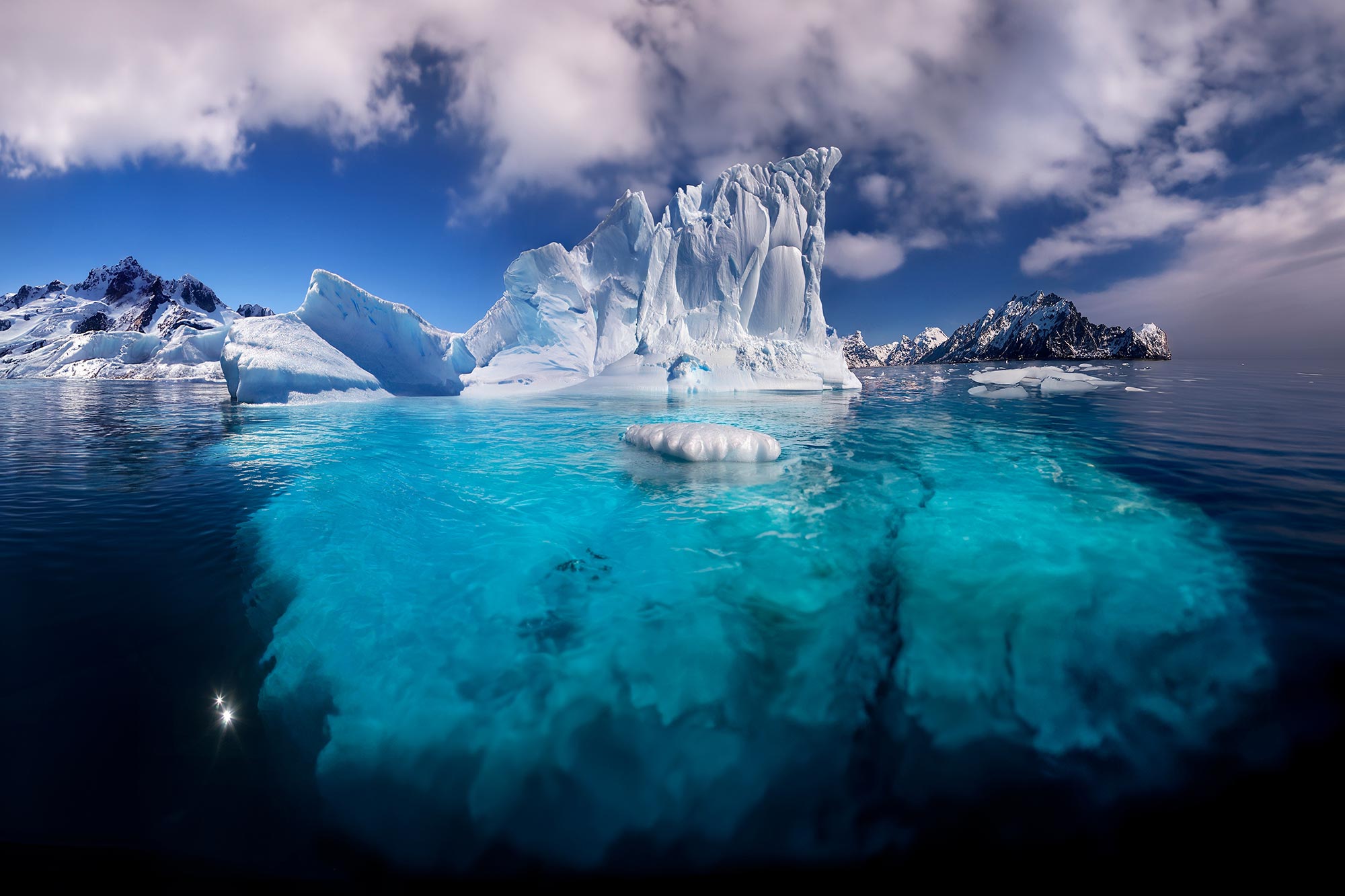
The link centers on iron-rich sediment carried into the ocean by icebergs breaking away from West Antarctica.
Iron typically acts as a nutrient that supports algae growth. But when researchers examined a sediment core collected in 2001 from the Pacific sector of the Southern Ocean, taken from more than three miles below the ocean surface, they found something surprising. Even when iron levels were high, algae growth did not increase.
________________________________________________________________________
“Normally, an increased supply of iron in the Southern Ocean would stimulate algae growth, which increases the oceanic uptake of carbon dioxide,” says lead author Torben Struve of the University of Oldenburg. Struve worked as a visiting postdoctoral research scientist in 2020 at the Lamont-Doherty Earth Observatory, which is part of the Columbia Climate School.
Why Iceberg Iron Did Not Boost Algae Growth
To explain the mismatch, the research team examined the chemical makeup of the sediment delivered by icebergs. Their analysis showed that much of the iron was highly “weathered,” meaning it had been chemically altered over long periods of time. During earlier warm phases, when more ice broke off from West Antarctica and drifted northward, much of the iron reaching the ocean was in this poorly soluble form.
Because algae struggle to use this type of iron, the increased supply did not lead to higher biological productivity.
Based on these findings, the researchers conclude that continued shrinking of the West Antarctic Ice Sheet could reduce the Southern Ocean’s ability to absorb carbon dioxide in the future.
How Iron Usually Fuels Ocean Carbon Uptake
In waters surrounding Antarctica, iron is often the nutrient that limits algae growth. Previous research has shown that during glacial periods, strong winds carried iron-rich dust from continental landmasses into the ocean. In areas north of the Antarctic Polar Front—a boundary where cold Antarctic waters meet warmer waters to the north—that dust helped fertilize algae.
As algae growth increased, the ocean absorbed more carbon dioxide from the atmosphere. This additional carbon uptake contributed to global cooling as ice ages began.
The new study focuses instead on waters south of the Antarctic Polar Front. There, sediment evidence shows that iron delivery peaked during warmer periods rather than during glacial phases. The size and composition of particles in the core also revealed that the primary source of iron was not windblown dust, but icebergs calved from West Antarctica.
“This reminds us that the ocean’s ability to absorb carbon isn’t fixed,” says co-author Gisela Winckler, a professor at the Columbia Climate School and a geochemist at the Lamont-Doherty Earth Observatory.

Evidence of Past Antarctic Ice Retreat
The findings also shed light on how sensitive the West Antarctic Ice Sheet is to rising temperatures. According to Struve, several recent studies suggest that this region experienced large-scale ice retreat during the last interglacial period about 130,000 years ago, when global temperatures were similar to today.
“Our results also suggest that a lot of ice was lost in West Antarctica at that time,” says Struve.
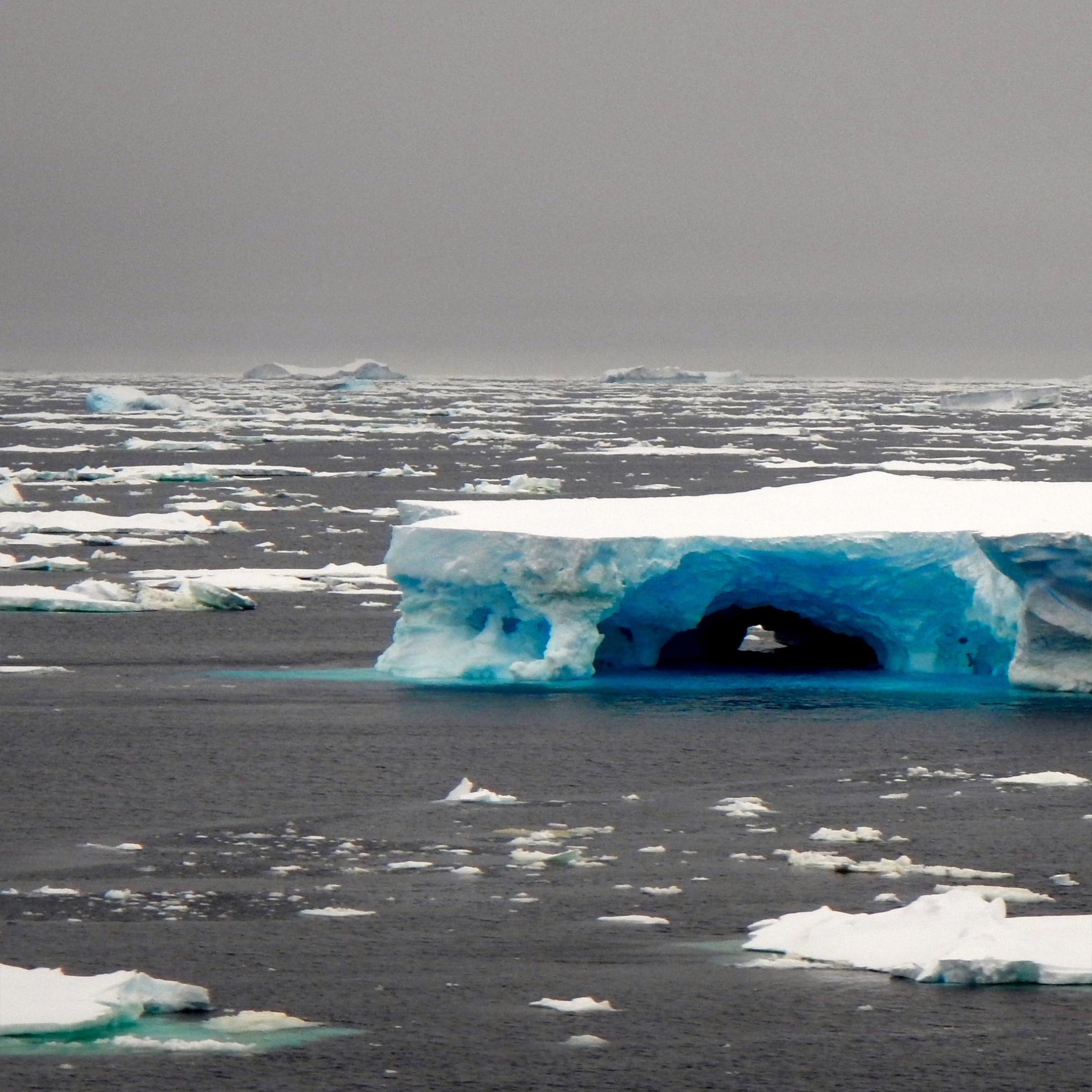
As the ice sheet, which reached several miles thick in some areas, broke apart, it produced large numbers of icebergs. These icebergs scraped sediment from the rock beneath the ice and released it into the ocean as they drifted north and melted. The sediment core indicates especially high iceberg activity at the end of glacial periods and during peak interglacial conditions.
________________________________________________________________________
Why the Chemistry of Iron Matters
“What matters here is not just how much iron enters the ocean, but the chemical form it takes,” says Winckler. “These results show that iron delivered by icebergs can be far less bioavailable than previously assumed, fundamentally altering how we think about carbon uptake in the Southern Ocean.”
The researchers believe that beneath the West Antarctic Ice Sheet lies a layer of very old, heavily weathered rock. When the ice sheet retreated during earlier interglacial periods, icebergs carried large amounts of these weathered minerals into the nearby South Pacific. Despite the increased iron supply, algae growth remained low.
“We were very surprised by this finding because in this area of the Southern Ocean, the total amount of iron input was not the controlling factor for algae growth,” Struve says.
What This Means for Future Climate Change
As global warming continues, further thinning of the West Antarctic Ice Sheet could recreate conditions similar to those of the last interglacial period.
“Based on what we know so far, the ice sheet is not likely to collapse in the near future, but we can see that the ice there is already thinning,” says Struve.
Continued retreat could speed up the erosion of weathered rock by glaciers and icebergs. That process could further reduce carbon uptake in the Pacific sector of the Southern Ocean compared with today — a feedback that could further amplify climate change.
NOTE – This article was originally published in Sci Tech Daily and can be viewed here