Written by Harpreet Ahluwalia
Organic gardening is the science and art of growing fruits, vegetables, flowers and ornamental plants, simply by following the essential principles of organic agriculture in soil building and conversation, pest management.
“Buy Organic Products Online at best prices at http://www.getgreen.co.in “.
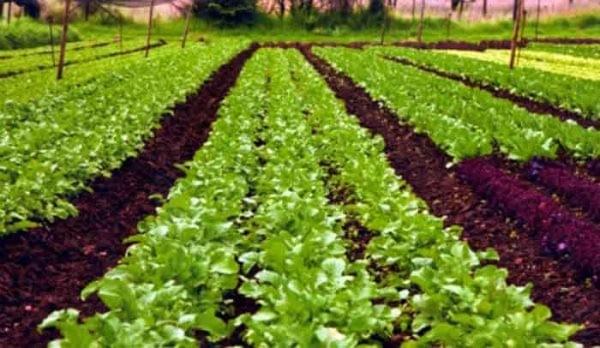
Double digging, vermi compost, mulch, cover crops, compost, manures and mineral supplements are soil building mainstays that distinguish this type of farming from its commercial counterparts. Thorough attention to good healthy soil condition is a prerequisite – it’s expected that insect, fungal or other problems that sometime plague plants can be minimized. Pheromone traps, insecticidal soap sprays and other pest control methods available to farmers are sometimes utilized by organic horticulturist.
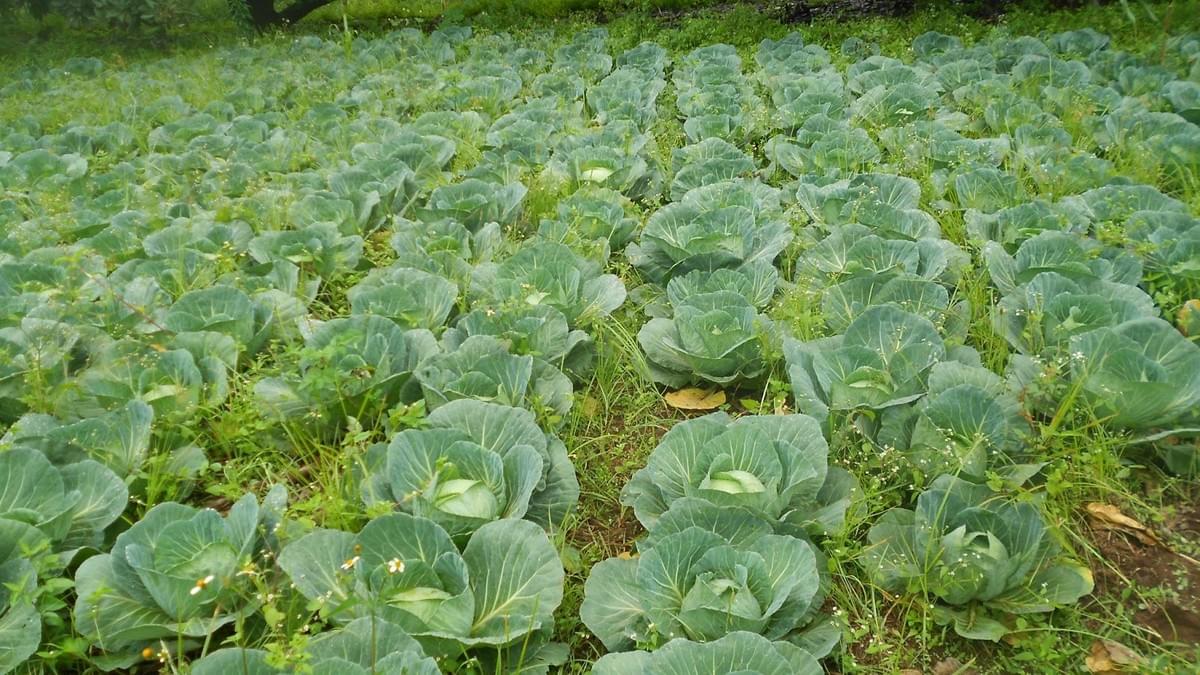
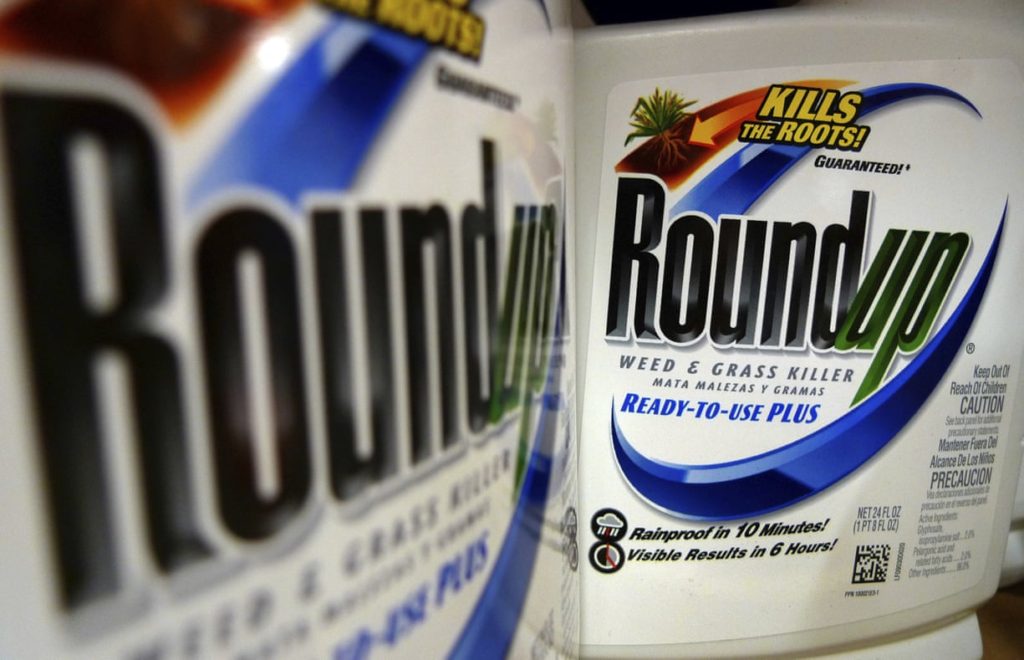
In chemical horticulture a specific insecticide may be applied to quickly kill off a particular insect pest. Chemical controls can dramatically reduce pest population in short term, but by unavoidably killing the natural control of insect and animals it causes an increase in pest population in long term, thereby creating an ever increasing problem. Repeated use of insecticides and herbicides also encourages rapid natural selection of resistant insects, plants and other organisms, necessitating increased use or requiring new and more powerful controls.
Read Also : Immune System and its link with Eating Healthy and Organic Food
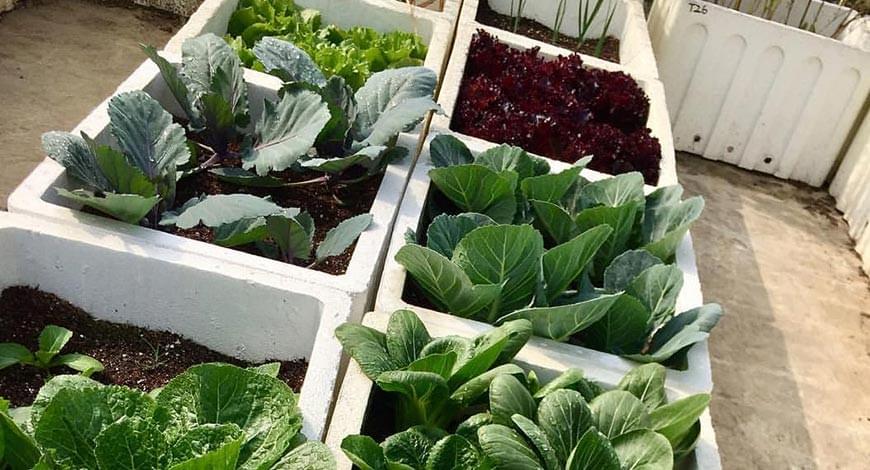
Organic gardening – Basic
Organic gardening means not using synthetic products, including pesticides and fertilizers. Organic gardening replenishes the resources as it makes use of them like feeding depleted soil with composted plants or planting legumes to add nitrogen to an area that has been planted with heavy feeder. The bigger picture involves working in cooperation with nature, viewing your garden as a small part of the natural system.
Meaning of Organic Matter
Organic matter is simply decaying plant and animal waste- it includes everything from compost, grass clipping, dried leaves and kitchen scraps to manures and fish heads. Organic matter is used as a soil amendment or conditioner. It can be worked into the soil of a new garden or used as a top dressing or mulch in an existing garden.
Importance of soil
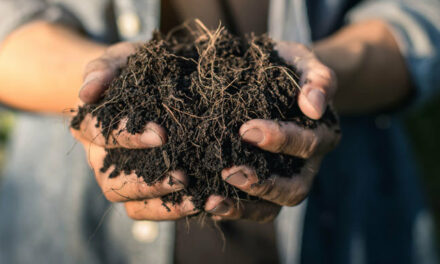
One of the basic tenets of organic gardening is to ‘feed the soil’ and the soil will feed the plants. Plants get water, air and nutrients from the soil. Clay soil has higher nutrients value than sand as it holds water better. Sometimes it holds water too well and the plants can’t get enough air. Sandy soil is well drained but can use some amending to make it a great garden soil.
This is where organic matter comes into play. Adding organic matter improves any soil texture as well as attracting soil organism that create nutrients in the soil

Control Pests and Diseases without Chemicals
Organic gardening does not mean you have to share your apple with the worms, but you will probably have less than pristine working plants and produce. Since you are trying to garden in cooperation with nature, sometimes you have to accept the occasional pest in garden. Your first line of defense should be vigilance. Thus you need to inspect your garden regularly to note the first signs of a problem and take action quickly. Not every insect is a foe which requires spraying of pesticides.
There are many organic pesticides available, but one needs to ensure first that there exists a problem and that you know what it is and that you can live with it. Some insects like the 4 lined plant bug do their damage and then move on for the season.
Consider if you are having a pest problem because your plants are stressed and don’t have the resources to defend themselves. Hence inter planting and diversity will protect you from losing an entire crop to an infestation. Large swaths of a single plant are pretty, but they act as a safe landing strip for interested insects.
Many insects and large animals are considered beneficial as they prey on insect pests. Reaching for the spray every time you see a pest, can kill the beneficial ones too. Lady bugs and parasitic wasps enjoy an aphid banquet. Birds will munch in grubs. Frogs, lizards and even snakes will contribute to the balance in your garden and prevent pest pop from becoming a problem.
There will probably come a time when you need to apply a pesticide or lose your plants. Organic or natural pesticides can be very effective and usually are less toxic to wild life, pets and humans rather than synthetic pesticides. Many organic controls can target specific problems such as using Bacillus Thuringiensis (BT) a type of bacteria, which kills caterpillars but not much else. Thus you need to ensure that you know what the problem is before you treat it and that you always follow the label instructions.
Gardening Cooperatively with Nature
Numerous elements exist which can contribute to a healthy garden climate namely
Select plants that are suited to your site condition. Plants that are happy with their growing conditions will be healthier than plants that are stressed. Stressed plants are very attractive to pests. Don’t choose a plant that requires full sun if you live in shady woodland. Don’t select pants that like a moist environ if you have a sandy soil and lots of sunshine.
Mulching your garden beds- suppresses weeds, conserves water, moderates soil and temperature, feeds the soil, and prevents erosion.
Read Also : Annadata – The Farmers Deserve Empathy & Compassion from the Nation
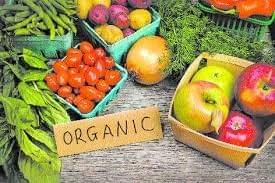
Create diversity in your garden. A mix of plants will attract more beneficial insects and prevent a problem from spreading. Get to know your plants so that you will notice if a problem is manifesting. Nature is cyclic and learning the seasonal changes that your plant goes through, will help you in anticipating problems better and faster. Organic gardening is a constantly evolving dance that allows you to be a full participant in your garden.
Business Proposition
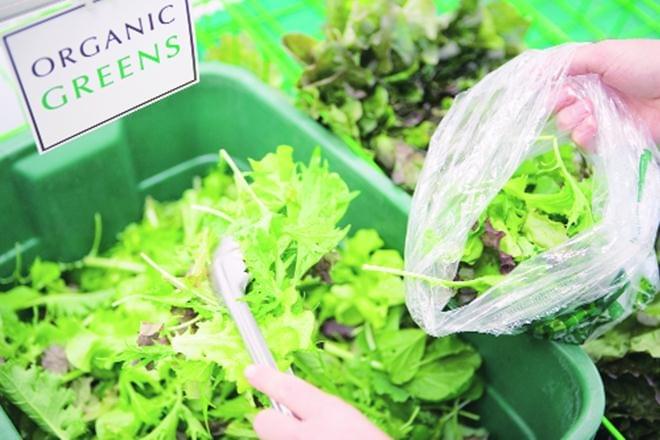
From garden cleaning to composing to organic products – organic gardening can help you generate income in multiple forms. Due to excessive usage of chemicals in farming presently, generating its own share of side effects, most people are preferring organically grown vegetable and fruits and are willing to spend extra .
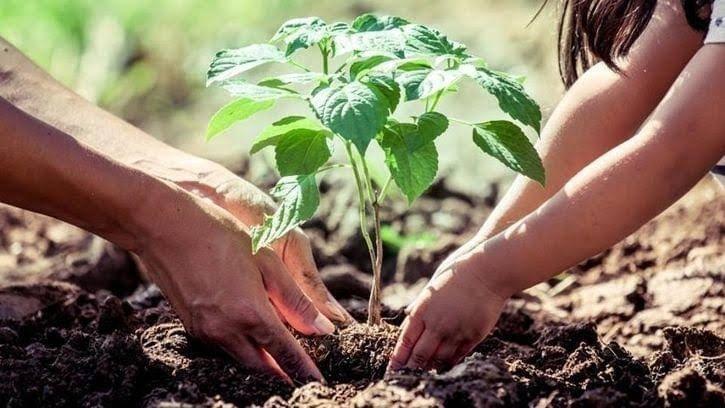
One can grow vegetable fruits, herbs, flowers and place them at the super markets, malls and even organizations that provide lunch and dinner facilities for its employees. Hotels, call centers, service corporations, airlines become the natural choice.

Travelling further one can dwell in making pickles, jams, and squashes from the organic products – much to the delight of the wary mothers who wish to provide a wholesome and nourishing spread to their children.
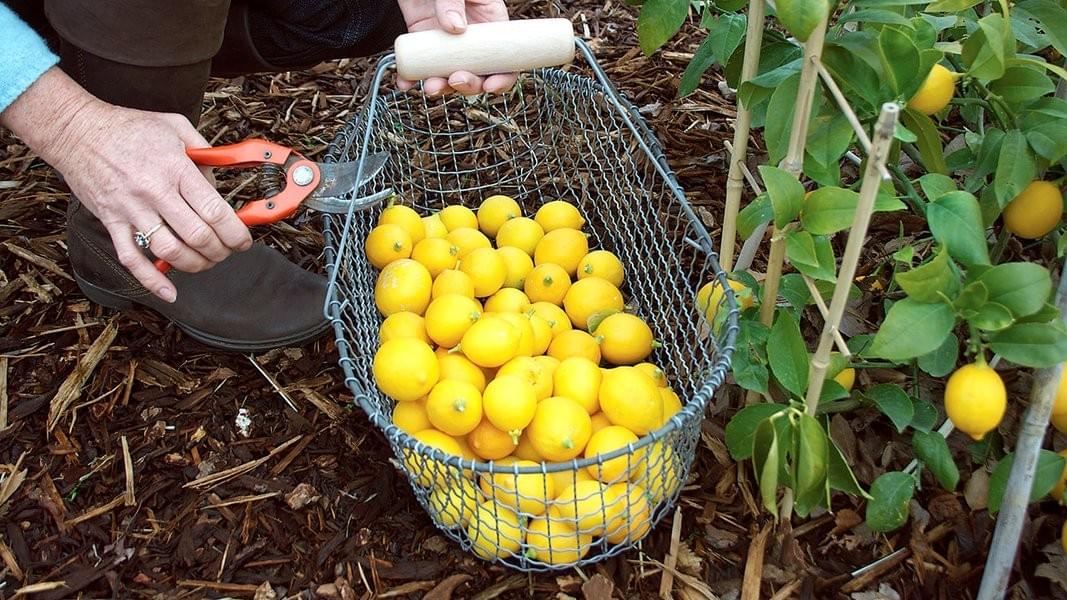
Kitchen cosmetics or just supplying as organic compost to people who are willing to use can be another business area.
So what are waiting for – let’s kick start and start small – first step firmly planted. Remember the world belongs to those who create everything from nothing. Am I not that one? Think. Ponder and reflect.