https://www.change.org/p/please-stop-the-use-of-single-use-plastic
The ban was declared by India’s Central government in August this year, after a resolution passed in 2019 to combat the country’s plastic pollution.
Enforcement is crucial for the ban to be effective. We must address major structural concerns such as regulations that limit the use of plastic alternatives, increase recycling, and improve trash segregation management.
_______________________________________________________________________
Read Also : Climate science is supporting lawsuits that could help save the world
________________________________________________________________________
What are Single-Use plastics?
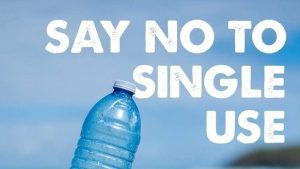
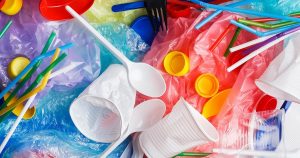
Single-use plastics are single-use products such as shopping bags, food packaging, bottles, and straws that are used once and then discarded or recycled.
Why are plastics used?
https://mymodernmet.com/india-bans-single-use-plastics/
Plastic has had a manufacturing boom over the last century, because to its low cost, light weight, and ease of manufacture, and the trend is projected to continue in the future decades, according to the United Nations.
Countries, on the other hand, are now having difficulty controlling the amount of plastic trash they have produced.
Plastic and India
In India, around 60% of plastic trash is collected, leaving the remaining 40%, or 10,376 tonnes, uncollected.
_______________________________________________________________________
Read Also : How Climate Change Is Derailing the World’s Lofty Carbon Offset Hopes
________________________________________________________________________
Independent garbage-pickers gather plastic debris from homes or landfills and sell it for a nominal charge to recycling centres or plastic manufacturers.
However, much of the plastics used in India are of little economic value and are not recycled. As a result, they become a frequent source of pollution in the air and water.
Countries, like India, are pushing the use of biodegradable alternatives that are less damaging to the environment in order to minimise plastic consumption.
Food sellers, restaurant chains, and some small companies, for example, have begun to use biodegradable flatware and cloth or paper bags.
India to ban single-use plastics
The Environment Ministry has proposed laws that will require plastic packaging material companies to collect all of their product by 2024 and guarantee that a minimum percentage of it is recycled and reused in following supplies.
It also established a mechanism for producers and users of plastic packaging to acquire and exchange certifications known as Extended Producer Responsibility (EPR) certificates.
The notification is set to take effect on December 6 and is now open for public comment.
Only a small percentage of plastic that cannot be recycled such as multi-layered multi-material plastics will be qualified for final disposal in places like road construction, waste to energy, waste to oil, and cement kilns, and only methods approved by the Central Pollution Control Board will be allowed.
In India, around 660,787.85 tonnes of discarded plastic are produced yearly as of 2019, with over 60% of it being recycled. Packaging makes up about 43% of the total, with the majority of it being single-use plastic.
Government Guidelines on Three Stage Ban
According to the guidelines, which were made public on October 6,
There are three types of plastic packaging:
- Rigid” plastic;
- Flexible blister packaging of single layer or multilayer, plastic sheets and supports made of plastic sheet, carry bags (which include carry bags made of biodegradable plastics), plastic sachets or pouches; and
- Multi-layered plastic packaging which includes at least one thin coating of plastic and at least one layer of substance other than plastic.
Producers of plastic will be required to report how much plastic they create annually to the government via a central website. Companies will be required to collect at least 35% of the target in 2021-22, 70% in 2022-23, and 100% in 2024.
_______________________________________________________________________
Read Also : Most Polluted Major City on Earth – Delhi
________________________________________________________________________
By 2024, they must recycle at least 50% of their hard plastic (category 1), as well as 30% of their category 2 and 3 plastic. Every year, the objectives will increase higher, until by 2026-27, 80 percent of category 1 and 60 percent of the other two categories must be recycled.
Companies that utilise packaging materials as well as import them have comparable goals, with minor differences.
If entities are unable to meet their responsibilities, they will be allowed to purchase certificates from organisations that have used recycled content in excess of their obligations on a “case by case” basis. On a centralised web platform, the CPCB will establish a “mechanism” for such trades.
Noncompliance, on the other hand, will not result in a conventional fine. Instead, the laws will levy a “environmental compensation,” albeit the rules do not define how much this compensation would be.
Entities who fail to fulfil their yearly objectives or do not acquire enough credits to do so shall face a fee. If they accomplish their goals in three years, they will be eligible for a 40% return. The money, however, will be forfeited after that.
The funds raised in this manner will be placed in an escrow account and utilised for the reduction and treatment disposal of unrecovered and non-recycled/non-end-of-life disposal of plastic packaging garbage that is subject to environmental compensation.
The production of a variety of plastic items will be prohibited beginning in July 2022.
Tags: #climatechange, #environmental, #getggreengetgrowing, #gngagritech, #greenstories, #nature, #noplastic, #plastic, #plasticwaste, #recycling, #trash, #waste