https://www.istockphoto.com/photos/bottle-of-almond-oil
When cooking or tasting food, it might be difficult to tell the difference between the two types of oil, although they each have different nutritional, physiological, and chemical features.
Oils are extensively used to produce a variety of foods, from salads to main courses and even snacks, and are therefore an important component of the daily diet. As a result, selecting the right type of oil should be considered carefully because it has a big influence on your cardiovascular health.
________________________________________________________________________
Read Also : 10 Foods That May Weaken Your Immune System
________________________________________________________________________
People are choosing cold-pressed oils instead of regular/refined oils to preserve optimal cardiac function as their predisposition toward a healthy lifestyle grows.
Let’s look at the fundamental differences between cold-pressed and normal oils in terms of manufacture, nutritional content, shelf life, and cooking method.
Manufacturing Process
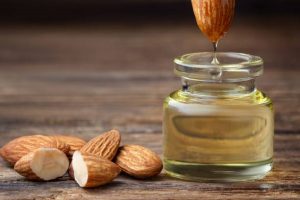
The process used to extract oil has a significant impact on its quality and flavour. Cold-pressed oils are extracted by crushing oil-bearing nuts or seeds under pressure using low-heating processes. Typically, the seeds are put in a large cylinder and spun and crushed constantly until all of the oil is gathered. Cold-pressed oils keep their natural flavour, taste, fragrance, and nutritional value since the method does not use excessive heat or chemical solvents.
Not only is the oil good for your heart, but it’s also good for your skin when used topically. Regular refined oils, on the other hand, are extracted at high temperatures and processed with chemical solvents, resulting in a loss of flavour, taste, and nutritional makeup.
Nutrient Content/Value
https://www.istockphoto.com/photos/olive-oil
Because they keep the strong elements of their components and maintain their original form, cold-pressed oils are high in important fatty acids, antioxidants, vitamin E, vitamin K, vitamin C, and other healthy fats. Consumption of cold-pressed oils is thus seen as safe and healthful, particularly for those suffering from chronic illnesses. During processing, excessive heat destroys the powerful molecules in the seeds or nuts, and additional treatment of hot-pressed oils with chemicals like acetic acid, hexane, and bleaching soda removes all of the nutrients. While cold-pressed oils can preserve the heart by lowering bad cholesterol and blood pressure, processed oils in the daily diet can greatly raise the risk of strokes and heart attacks.
________________________________________________________________________
Read Also : 8 Nutrients and 16 Foods to Boost Your Mood — What to Eat to…
________________________________________________________________________
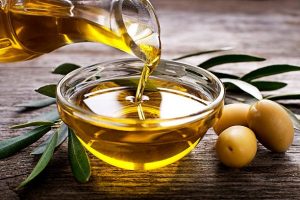
For Instance, Olive oil grades are defined by the amount of oleic acid in the oil. To maintain a high amount of oleic acid, the finest grades, extra virgin and virgin, are always cold pressed.
Oleic acid, a lipid found in cold pressed olive oil, may help decrease cholesterol. It also contains omega-6 and omega-3 fatty acids, both of which are beneficial to your health.
Shelf-life
To expand their shelf life and manufacturing potential, regular oils are hydrogenated and then treated with dangerous chemicals. Cold-pressed oils, on the other hand, have a shorter shelf life and generate a smaller output since they are unfiltered and barely treated. As a result, hot-pressed or normal oils are less expensive than higher-quality cold-pressed oils.
Method of preparation
Due to their low smoking points, cold-pressed oils are excellent for food prepared at medium to low temperatures, whereas hot-pressed oils are preferable for meals made at high temperatures.
Switching from conventional oil to cold-pressed oil might be difficult and costly, but it can make a significant impact in your health and well-being. Coconut oil, olive oil, sunflower oil, groundnut oil, flaxseed oil, walnut oil, borage oil, and other cold-pressed oils to include in your diet for optimum heart health.
_______________________________________________________________________
Read Also : Oxford Climate Experts Call For Change, Action And Ambition Ahead Of COP26
________________________________________________________________________
Antioxidants are abundant in this product.
Because it is not heated, cold pressed olive oil may retain more antioxidants than lower-grade olive oils. Antioxidants protect your body from free radicals, which are unstable chemicals. As a result, chronic diseases such as heart disease, diabetes, and cancer are reduced.
Olive oil contains 12.9 percent of the daily value (DV) for vitamin E, a vital nutrient and powerful antioxidant, per tablespoon (15 ml). It’s also high in antioxidant-rich plant components including oleuropein and hydroxytyrosol, which have been shown to have potent antioxidant capabilities in animal and test-tube experiments.
Tags: #Acid, #flaxseed oil, #food, #getgreengetgrowing, #gngagritech, #greenstories, #health, #hydroxytyrosol, #natural, #nutritional, #oil, #physiological, #vitamin