
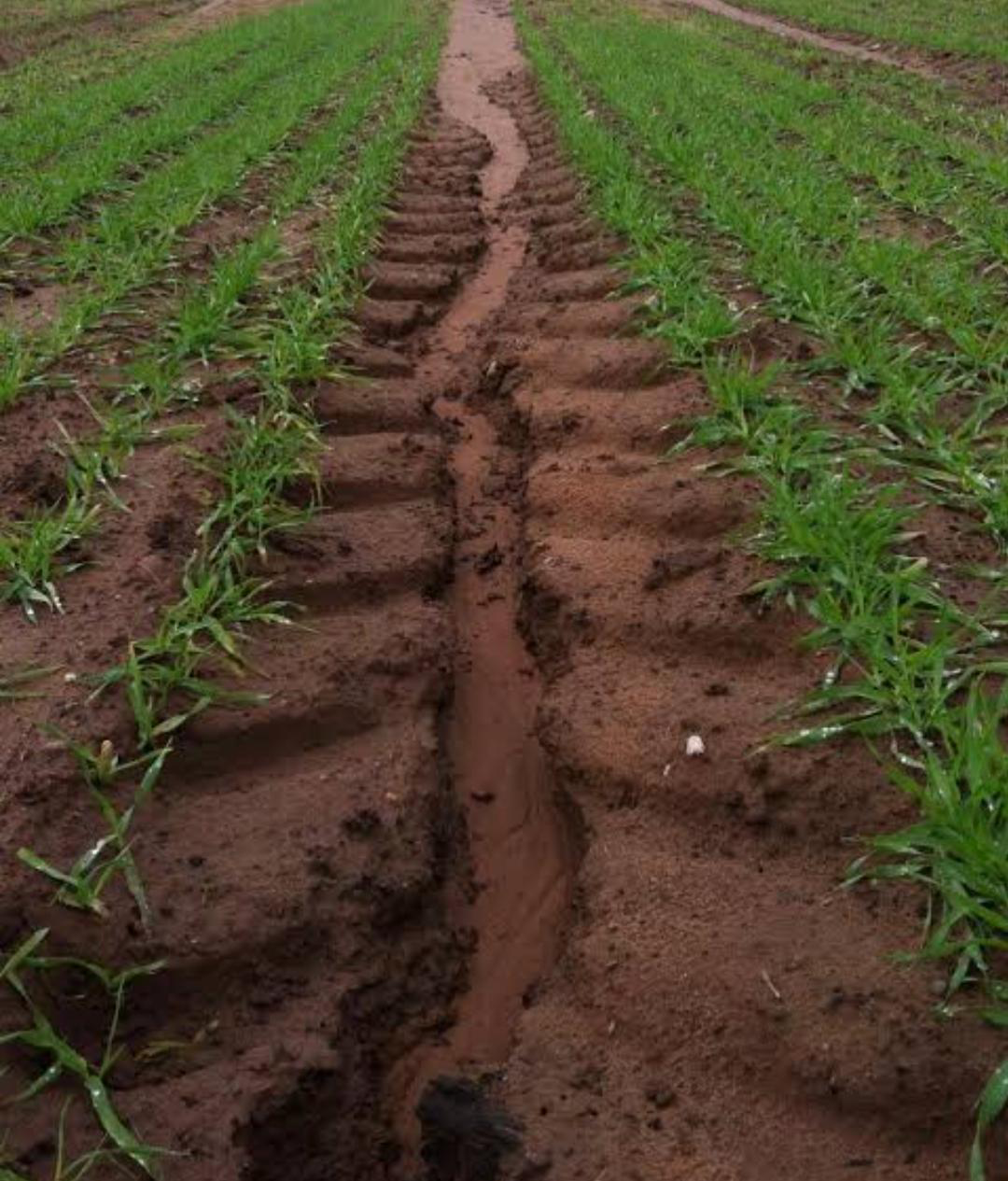

Soil is a natural reserve that may look strong and enormous but is the unstable commodity of thousands of years of arrangement. Topsoil, which stays nearest to the texture of the land, includes crucial nutrients for crops. It is this coating of soil that is threatened by wind and water deterioration.
“Buy Organic Products Online at best prices at http://www.getgreen.co.in “.
Soil erosion reduces soil fertility, which can negatively encompass crop results. It also delivers soil-laden water downstream, building heavy coatings of residue that deter cascades and rivers from flowing smoothly and ultimately direct to flooding. Once soil erosion happens, it is more apt to occur furthermore.
Causes of Soil Erosion
The common reasons for soil deterioration are either relevant to naturally arising incidents or impacted by human actions. Some of the primary causes of soil erosion comprise:
- Rain and Rainwater Runoff
During heavy rains, soil deterioration is expected. The water begins to wipe out the soil, distributing the substances it is created of. Commonly, rainwater runoff will affect lighter substances like silt, organic matter, and finer sand particles, but in enormous rainfall, this can also comprise the huger matter ingredients.
- Agriculture
When soil is operated through crops or other farming procedures, it decreases the broad hierarchy of the ground, expanding to reducing the degrees of organic consequence, giving rise to it more vulnerability to the impacts of rain and water. Planting is unique because it often disbands and loosens up the configuration of the soil can be a significant supporter of deterioration. Farming exercises that decrease this action verge to have far limited issues with soil deterioration.
- The gradient of the Land
The manual factors of the land can also include soil erosion. Significant landscape aspects for soil erosion are slope gradient, extent, part, and shape. For example, land with an elevated hill slope will eternalize rainwater or runoff saturation in the region, primarily due to the rapid action of the water down a hill.
- Soil Erodibility
The exposure of soil to erosion is assumed by innate soil features, e.g., composition, structure, soil organic substance content, clay minerals, convertible warnings, water retention, and information properties. Soil erodibility rates the capacity of soils to withstand erosion, established on the manual factors of each soil. The primary element that involves erodibility is composition.
Read Also : The front-facing threat of soil degradation
- Scarcity of Vegetation

Plants and crops enable retain the hierarchy of soils, decreasing the quantity of soil deterioration. Regions with limited generally occurring flora may be an indication that the earth is inclined to damage.
- Unsheltered Distance
Unsheltered duration with the absence of windbreaks such as trees, shrubs, crop residue, etc., makes the wind settle soil particles into a movement for tremendous distances, thereby boosting soil deterioration and friction. Knolls and hilltops are usually endangered without any foliage cover and endure the most.
- Wind
Wind can be an essential characteristic in lessening soil integrity and facilitate erosion, especially since the soil’s hierarchy has already been de-stressed. However, brighter winds will commonly not cause too much harm, if any. The most vulnerable soil to this type of deterioration is sandy or lighter ground that can effortlessly be transferred through the air.
Effects of Soil Erosion
The crucial difficulty with soil deterioration is that there is no approach on how rapidly or slowly it will arise. If greatly influenced by constant temperature or climate incidents, it may be a slow formulating procedure that is never even glimpsed.
- Failure of Topsoil
This is the primary evidence of soil deterioration. Because topsoil is so abundant, if it is eliminated, this can cause serious harm to farmer’s harvests or the proficiency to work their soil effectively.
- Soil Compaction
When the soil below the topsoil comes to be compressed and harsh. It decreases the proficiency for water to penetrate these more profound degrees, maintaining runoff at tremendous points, which expands the hazard of more severe deterioration.
- Lessened Organic and Fertile Matter
Eliminating topsoil enormous with an organic course will decrease the territory’s proficiency to regenerate new flora or harvests. When new crops or grains can’t be positioned successfully in the region, this immortalizes a process of minor degrees of organic nutrients.
- Bad Drainage
Occasionally too much compaction with the grain can direct to a beneficial coating that labels in the surface sheet, making it even harder for water to pass through more comprehensive sheets. In some ways, this can boost erosion because of the densely stored soil, but if seeds and seedlings to be concealed or eradicated. This, in turn, influences prospective crop production.
Read Also : Iran Loses 2 Billion Tons of Soil Every Year
- Soil Acidity Status
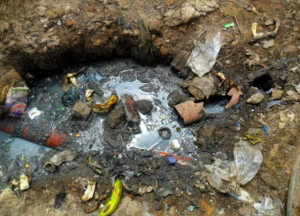
When the soil configuration comes to be compromised, and organic matter is vastly lessened, there is a greater likelihood of increased soil acidity, which will considerably affect the proficiency of plants and crops to thrive.
- Lengthy Term Erosion
Unfortunately, if a region is inclined to erosion or has a past of it, it evolves even harder to conserve it in the future. The procedure has already lessened the soil hierarchy and organic course of the region, meaning that it will be difficult to regain in the lengthy run.
- Water Pollution
A significant difficulty with runoff from earth significantly those used for agricultural procedures is that there is a tremendous probability that sediment, and contamination like fertilizer or pesticide. This can have crucial harm to fish and water integrity.
- Climate Change
The fact that deterioration degrades soil indicates that it can benefit rarer plants that can consume climate-warming CO2. Grounds can potentially cut off enough GHG in a year to equal about 5% of all human-generated GHG emissions yearly.
Prevention of Soil Erosion
Soil erosion is a severe environmental problem. Steps should be put up to prevent this difficulty. Following are some of the techniques of soil erosion prevention:
- Plant trees on barren lands to restrict the deterioration of soil.
- Put in mulch and rocks to stave off the plants and grass bottom to avoid soil deterioration.
- Manure cover can be utilized to decrease deterioration on the hills.
- Put a sequel of fiber lists to deter any water or soil from decaying.
- A side at the basis of the gradient can enable in deterring the soil from deteriorating.
- Every home should have an adequate drainage procedure so that water flows down into reasonable water obtaining methods.
The answer to management and decreasing soil erosion is to renovate already damaged land areas, stop additional degradation, and put erosion prophylactic criteria at the beginning of the land supervision strategy. In this way, we can enable deter craving and mitigate climate disaster.
Image sources
https://images.app.goo.gl/MNKRoG2jfgUxq1fz8
https://images.app.goo.gl/mgVQU38NuoQNwPt58
https://images.app.goo.gl/EcVu3DgsyJ7mLDdw5
Tags: #agriculture, #environment, #erosion, #erosioncontrol, #ilovesoil, #india, #savetheplanet, #soil, #soilconservation, #soilerosion, #soilfertility, #soilhealthmatters, #soilislife, #soilpollution, #soilscience, #sustainability







I really glad to find this website on bing, just what I was looking for : D too bookmarked.