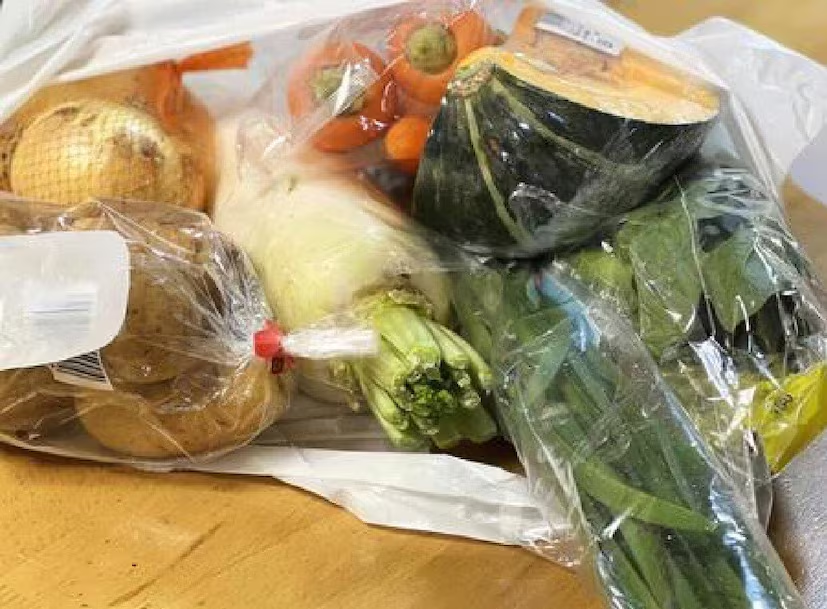
According to a recent study, storing food in plastic bags or containers can release microplastics that enter the bloodstream and reach vital organs, posing health risks
1/8
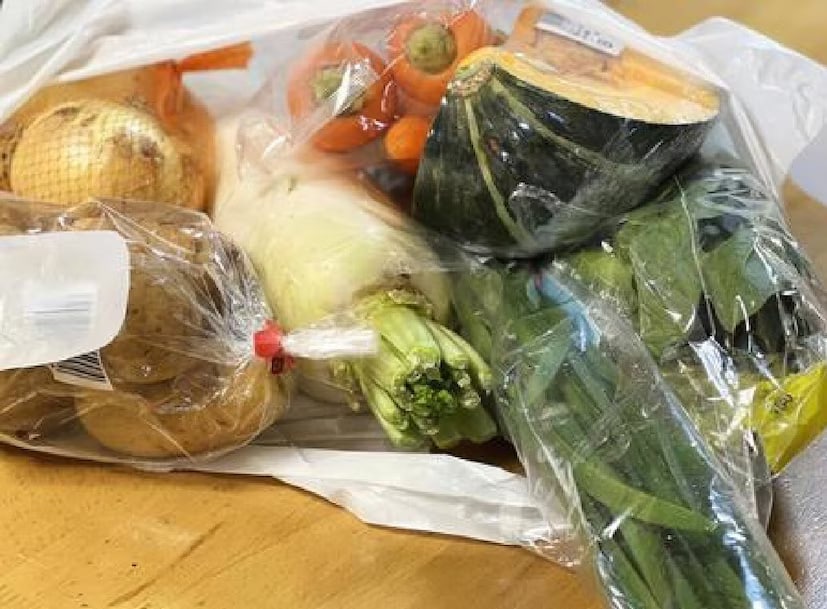
Do you buy fruits and vegetables from the market and store them in plastic bags in the fridge? This isn’t just a common habit in Indian households, it’s a practice seen across the globe. However, you might be surprised to know that this everyday habit could be putting your health at risk. (News18 Telugu)
________________________________________________________________________
Read Also : Increasing corporate disclosure about climate change
________________________________________________________________________
2/8

A recent study has found that storing food in plastic containers or bags may lead to the release of microplastic and nanoplastic particles. Published in the journal NPJ Science of Food, the research explains how repeated opening and closing of plastic containers can release microscopic plastic fragments, which then dissolve into the food or drink stored inside. (News18 Telugu)
3/8
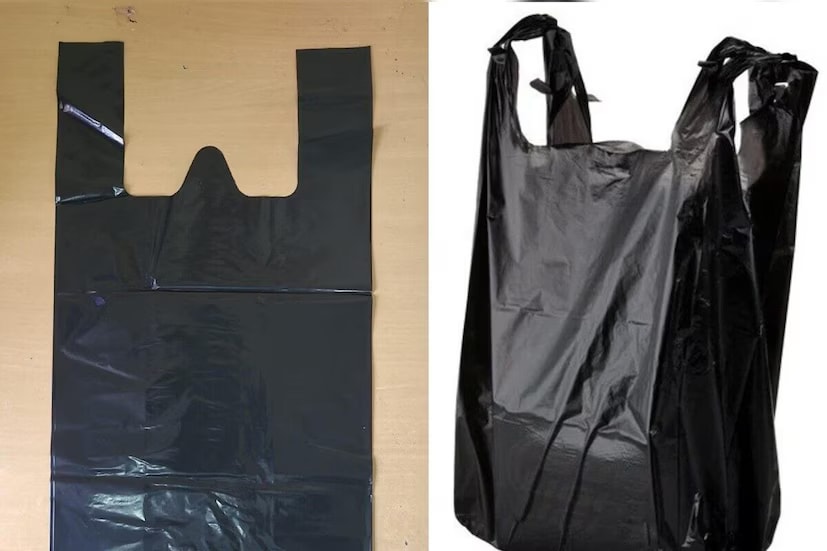
Microplastics are tiny pieces of plastic, often too small to see, formed when plastic breaks down. Scientists warn that they exist in nearly all plastic items and are now being detected in various food products, raising serious concerns about their impact on human health. (News18 Telugu)
________________________________________________________________________
Read Also : What Should the SEC Require in Climate Change Disclosures?
________________________________________________________________________
4/8

Plastic is present in almost everything we use from packaging to kitchen tools. This has led to microplastics gradually entering our food, water, and surroundings. Once consumed, these tiny particles can pass through tissues, enter the bloodstream, and spread throughout the body, including vital organs. (News18 Telugu)
5/8
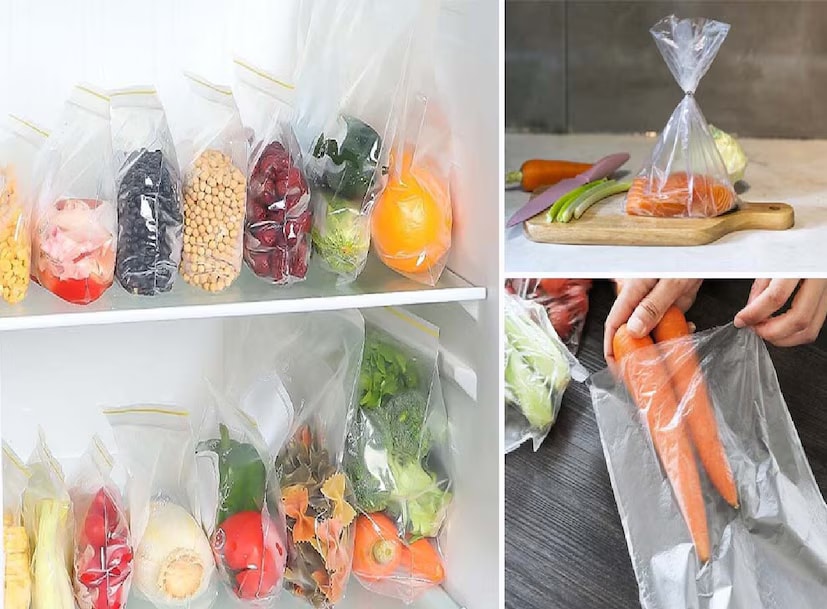
According to the study, microplastics have been found in human blood, lungs, and even the brain. Shockingly, around 80% of people tested were found to have microplastics in their bloodstream. Another report also showed that about 58% of people had microplastic particles in their arteries, increasing the risk of heart disease. (News18 Telugu)
6/8
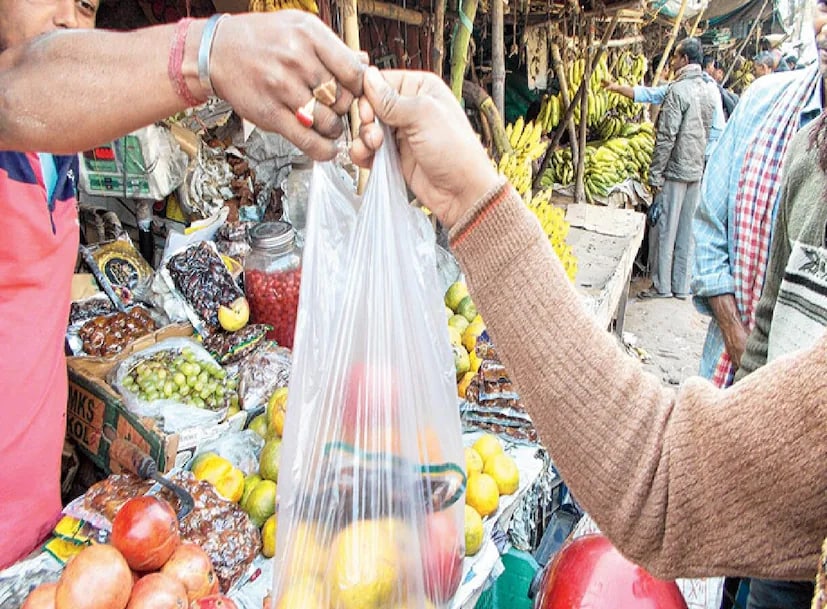
It’s also been reported that 96% of packaged food samples tested contained microplastics. These findings highlight just how widespread this problem has become and why there’s a growing concern among scientists and health professionals. (News18 Telugu)
_______________________________________________________________________
Read Also : Sustainable Fashion, Revamp Your Wardrobe With Some Conscious Choices
________________________________________________________________________
7/8
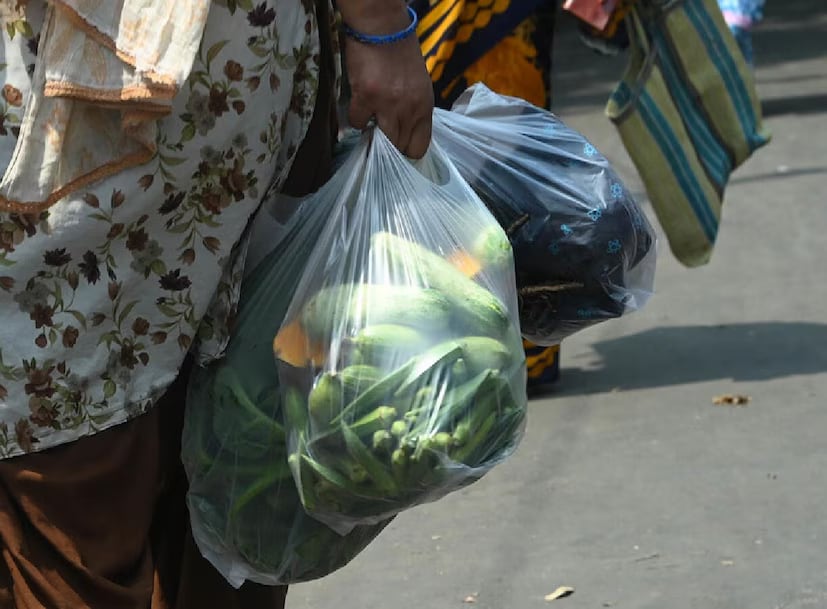
A simple solution to this triggering problem is to stop using plastic bags for storing fruits and vegetables. Instead, switch to mesh or cotton bags, stainless steel containers, or baskets made from natural materials. These are not only safer but also more eco-friendly. (News18 Telugu)
8/8
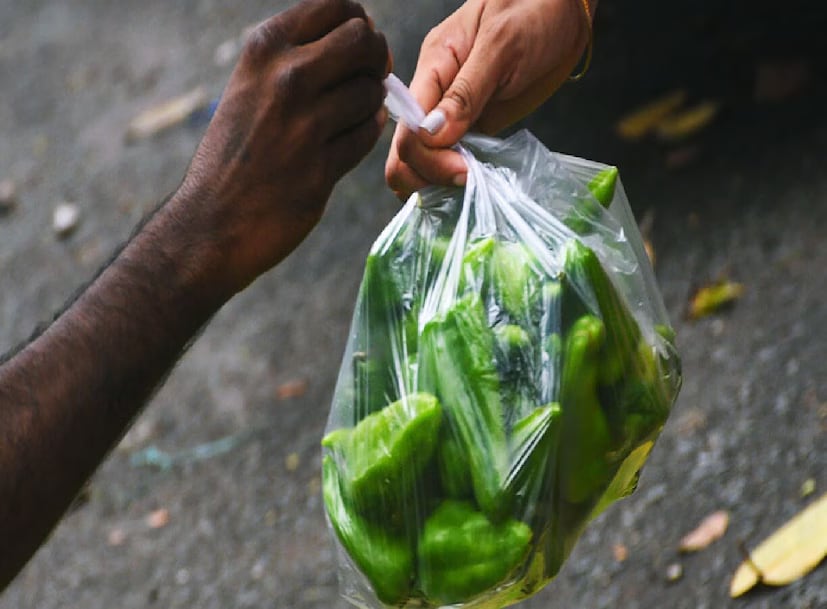
One can also try buying fresh produce in smaller quantities based on immediate needs. Carrying a reusable cloth or mesh bag while shopping is a small but impactful change that benefits both your health and the environment. (News18 Telugu)