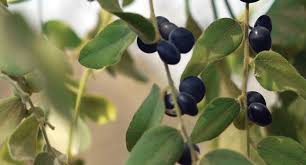
“Wine is one of the most civilized things in the world and one of the most natural things of the world that has been brought to the greatest perfection, and it offers a greater range for enjoyment and appreciation than, possibly, any other purely sensory thing.”
― Ernest Hemingway
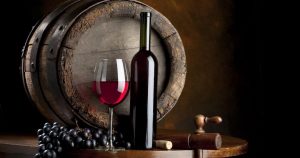
https://neuronerdz.com/winemaking-process-and-what-determines-its-taste/
If you are a wine enthusiast, you will definitely know a fair amount about how wine is made and how different factors affect the quality of wine and its taste. However, some of us still have a lot to learn about the different processes, and how each step can influence the taste of our favorite wine. Each winemaker also has their own specific set of ingredients which gives a signature taste to the wine that they make. In the same way, some of us prefer some kinds of wine over others.
________________________________________________________________________
Read Also : Butterfly numbers plummeting in US west as climate crisis takes toll
________________________________________________________________________
A lot of factors starting from which region the grapes are harvested and how ripe it is, to what kind of containers they store the wine in, and how long it is aged. Understanding these factors can also help in understanding why we love our favorite wine and what kinds of food to pair it with. The winemaking process is explained below and along with it, we can find out how each step of the process can change the whole flavor.
https://sensorex.com/blog/2017/12/06/ph-improve-taste-color-wine/
-
Harvesting:
Grapes that are picked at the beginning of harvesting season will make the wine more acidic with less alcohol. It can also lead to bitter tannin which is what causes the dry and pucker feeling in our mouths when we consume unripened fruit. The grapes picked later in the harvest season can make less acidic but more alcoholic wine and the tannin flavor will be more subdued. Picking the grapes when the acidity and sweetness level is in balance is not an easy task. Even then, the change in the weather conditions can affect the consistency of the grape and can completely change the flavor.
-
Maceration:
The maceration process is what influences the color of the wine. We might have noticed that some kinds of wine are darker than others and they taste different as well. Winemakers use two different methods to macerate wine- the traditional method and the cold soaking method. In the traditional method, the grapes are crushed and allowed to soak for a while. At this time, the grape skins, seeds, and their stems release all the tannin, flavor, and pigments that it contains. Some winemakers may even heat this mixture so that more flavors are released and it is released faster.
________________________________________________________________________
Read Also : India’s Tea Board is helping growers save crops from extreme weather,
________________________________________________________________________

https://www.winetraveler.com/winemaking/red-wine-making-process-step-by-step/
In the second method or the cold soaking method, the grapes are crushed and mixed with water and sulfur dioxide. The wine is then kept at lower temperatures so that the yeast does not ferment the wine and produce alcohol. The longer this mixture soaks, the darker the wine will be, but the amount of tannin produced will be lesser and this can change the taste of wine.
-
Fermentation:
We can ferment the wine in either warm temperatures or in cool temperatures. Both these processes produce different tastes in the wine. In warm fermentation, the yeast metabolizes faster and the tannin and color produced increase. In the cooler fermentation process, the aromas released from the wine are preserved unlike in warmer fermentation where the aromas are lost. This is because the aroma compounds are highly volatile and they can be lost when the reaction occurs rapidly.
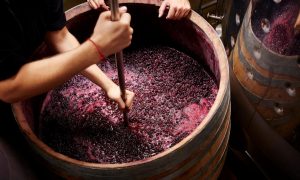
- Extraction: The extraction of wine can be done in two methods-by using pump-overs or pushdowns. Pumpovers can extract more amounts of tannin depending on the frequency and the force in which the wine is pumped. The force can be increased or decreased depending on the winemaker’s preference, which greatly affects the taste. In larger fermentation tanks, the oxygen that is needed is pumped into the tanks through the pumpovers. The punch-down technique is a more traditional way to extract wine. The skins don’t get extracted too much and very little oxygen is required for this process. The punch-down technique is usually done by hand rather than by machines and great care is taken to ensure that the wine is properly extracted.
https://science.howstuffworks.com/innovation/edible-innovations/winemaking.htm
-
Aging:
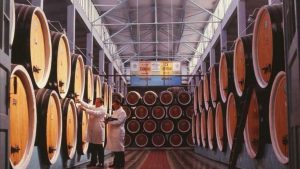
The containers in which we store wine can play a very important role in determining the taste of the wine because the wine will extract some of the flavors from the barrel or tank in which it is stored. If it is stored in an oak barrel, a slight vanilla flavor is added and the wine has more exposure to oxygen for the fermentation. Oak barrels also decrease the tannin and increase the fruitiness of the wine. Steel tanks however reduce the amount of oxygen entering the wine and keep it fresher. How long we age the wine also plays an important role in its taste.
-
Corks or screw caps:
The bottle in which the wine is stored is also an important factor that defines the taste of wine. Most winemakers prefer to use screw caps rather than cork because cork caps can let in oxygen which could interfere with the taste of wine whereas screw caps keep the wine fresh.
________________________________________________________________________
Read Also : Conservation ‘Game-Changer’: China Removes Pangolin Scales From Traditional Medicine List
________________________________________________________________________

https://daily.sevenfifty.com/understanding-the-role-of-sugar-in-wine/
So basically, each and every single step in the wine-making process can affect or influence the taste of wine. Winemakers have to take the utmost care that they only get the best products and make it in a way that their signature style of wine stays the same. They also experiment with different flavors and check to see which wine tastes better with certain food. Being a winemaker is no easy task. Every single factor, including the amount of oxygen that has to be present while making the wine, will change its taste.
-Sharon Ajith -19/06/2021
Tags: #Aging, #Corks or screw caps, #favorite, #fermentation, #food, #getgreengetgrowing, #gngagritech, #greenstories, #harvesting, #Maceration, #oxygen, #wine, #Winemaking