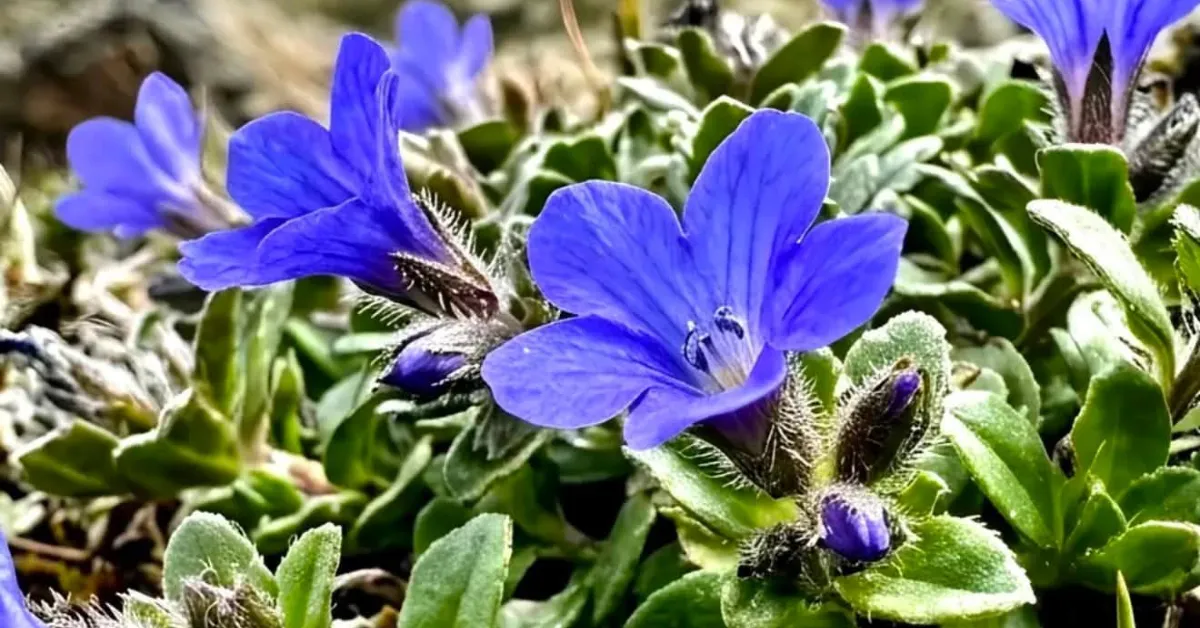
For more than one hundred years, Cyananthus hookeri existed solely in plant archives and botanical records.

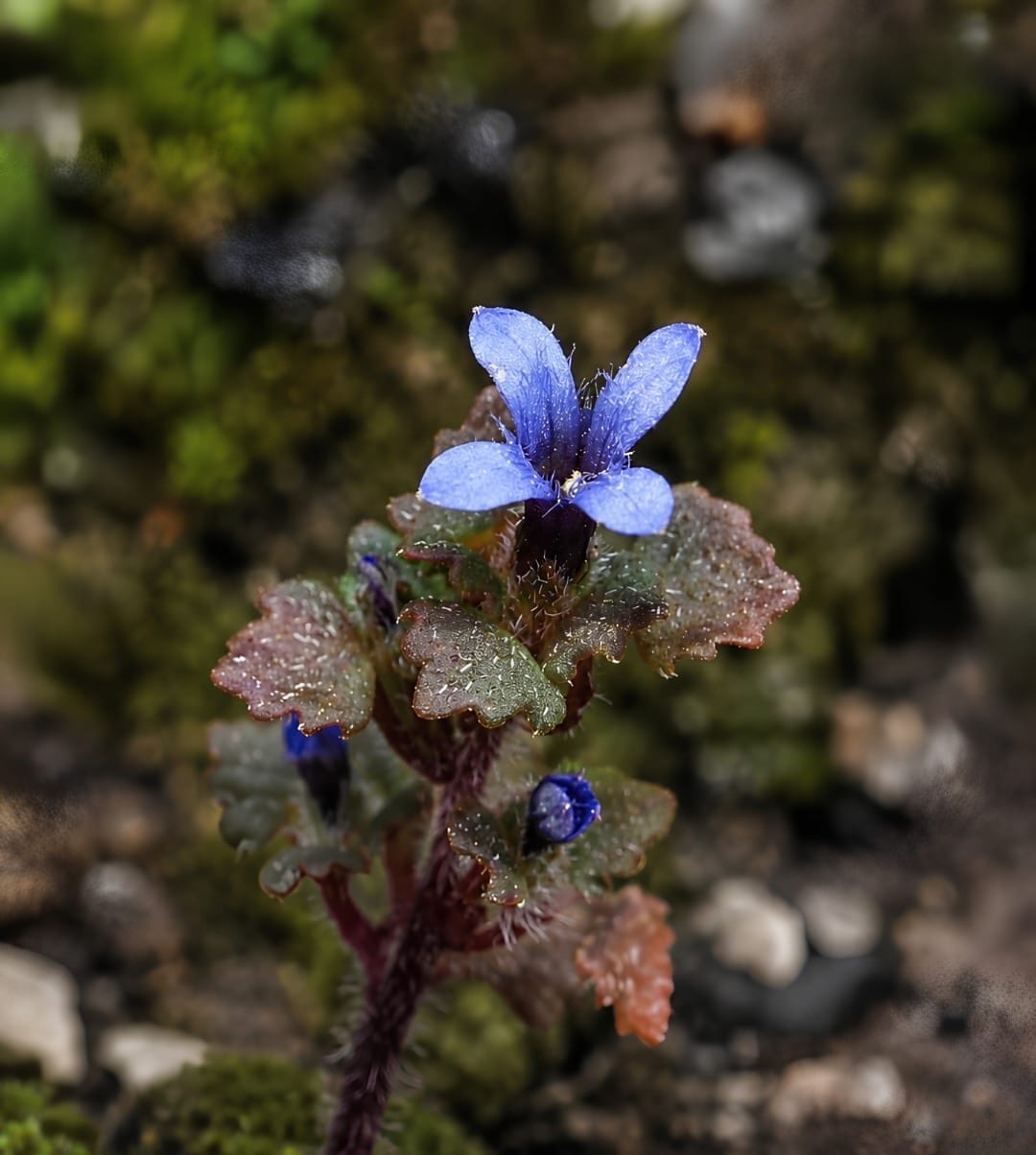
Recently, scientists from the Botanical Survey of India (BSI) have rediscovered Cyananthus hookeri, a rare Himalayan flowering plant that had not been recorded in India since 1867. This discovery marks the species’ first confirmed record in the country in 158 years and its first-ever documented presence in Arunachal Pradesh. The finding has been reportedly published in the International conservation journal Oryx. (Image: Instagram)
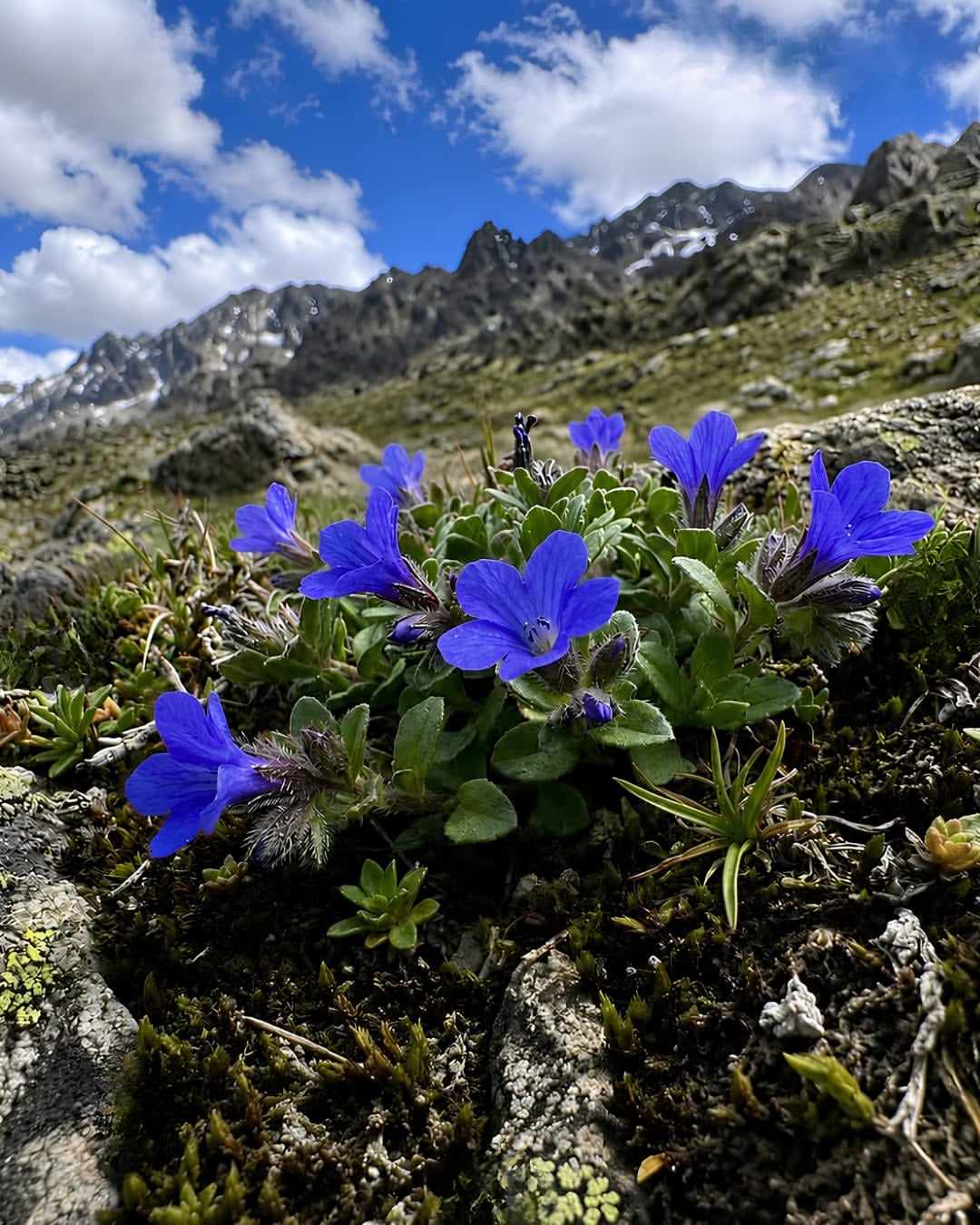
Cyananthus hookeri belongs to the Campanulaceae, or bellflower family, and is known for its delicate, bell-shaped purple-blue blooms. The species was first collected in India by renowned British botanist Sir Joseph Dalton Hooker during his expedition to Sikkim in 1867. Following, it disappeared from India’s scientific records. Although the species continued to be reported from Bhutan, Nepal, Tibet and China, there was no confirmed evidence that it still survived within India’s borders. (Image: Instagram)
________________________________________________________________________
Read Also: 10 Ways to Stop Birds Eating Your Tomatoes That Goes Beyond Netting
________________________________________________________________________
3/5
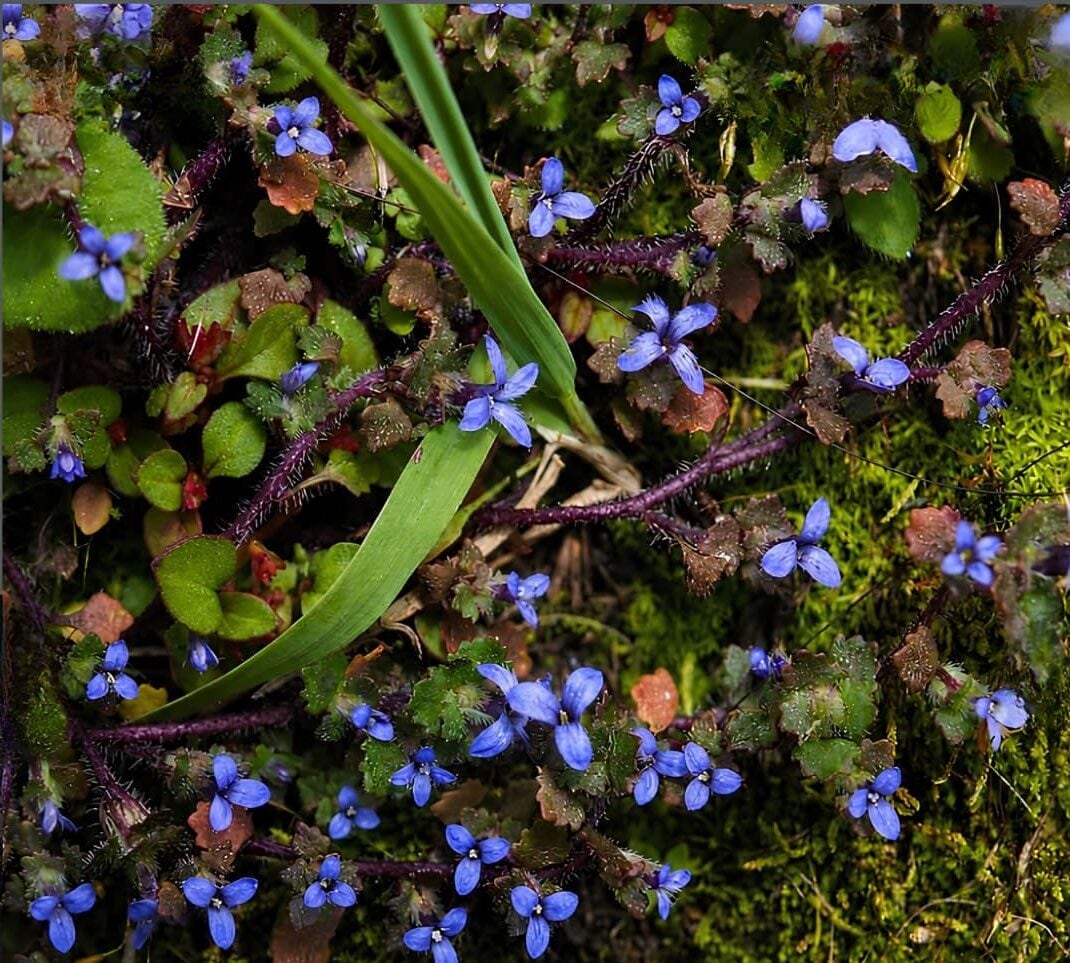
According to The Better India report, recently during a field survey by BSI reserachers, the team found the species growing on alpine grassy and rocky slopes at an elevation of around 3,600 metres above sea level, near Mago village in Tawang district. The discovery not only confirms the plant’s return to India’s botanical records but also extends its known distribution to Arunachal Pradesh for the first time. (Image: Instagram)
4/5
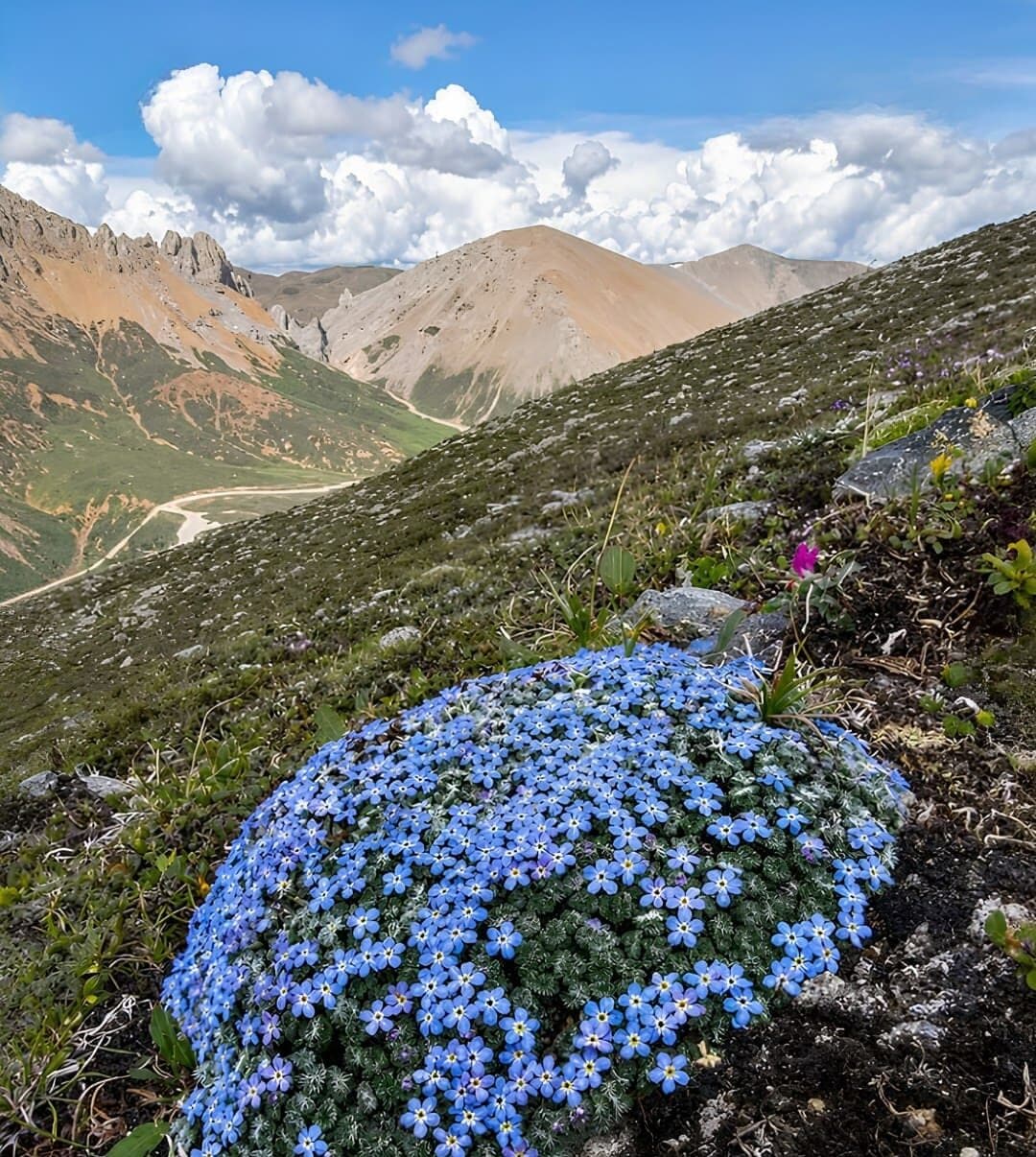
After 158 years, this tiny purple flower is a reminder that India’s mountains continue to hold remarkable natural treasures – and that there is still much left to discover and protect. (Image: Instagram)
________________________________________________________________________
Read Also: King Cobra belongs to 4 distinct species: IISc researchers
________________________________________________________________________
5/5
Reportedly, the BSI team has also recommended further botanical surveys across the remote Himalayas, noting that other species missing from India’s scientific records may still be waiting to be discovered.
NOTE – This article was originally published in News18 and can be viewed here