

https://www.healthifyme.com/blog/7-high-protein-indian-vegetarian-foods/
Is there enough protein in your diet? While you should limit your consumption of calories, sugar, and salt, you should also ensure that you are getting adequate protein. It is essential for the formation and maintenance of all cells in our body. It provides energy to our cells and powers our body.
Protein is made up of amino acids, which are frequently referred to as “building blocks” since they are linked in long chains. It is also classified as a “macronutrient,” which means that you require rather significant amounts of it to be healthy.
It might be more difficult for those who don’t consume meat or animal products to acquire sufficient protein and vital vitamins and minerals. Anyone must prepare for obtaining sufficient protein, calcium, iron, and B-12 vitamins from the animal items in an omnivorous diet.
Plant proteins are not as effectively absorbed and metabolized by the body as animal proteins, and therefore are not as ‘complete’ as protein from meat. Vegetarians have greater protein needs. So, how much more is needed? It is advised that vegans consume 10% more protein than meat eaters.
A range of sources of protein may provide – not only meat. If you’re a vegetarian, consider include soy, eggs, and dairy products in your diet to obtain the protein you need.
_______________________________________________________________________
Read Also : 8 Top Protein Sources for Vegetarians
________________________________________________________________________
PEANUTS
https://www.eatthis.com/protein-peanuts/
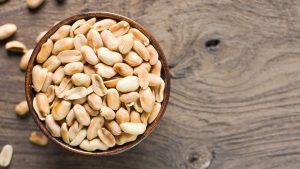
Peanuts are rich in protein, full of healthy fats and can enhance cardiac function. To your surprise, peanuts do not belong to the nut family and are categorized as legumes, along wside green peas, soybeans, and lentils. They contain about 20.5 g every 1⁄2 cup of protein.
Peanut butter is also high in protein, which produces a healthy full snack of protein with 3.6 g per tablespoon of peanut butter.
BENEFITS OF PEANUTS
- Protein-rich foods might help you feel full while consuming less calories. In terms of protein content, peanuts are second only to almonds among nuts. According to studies, those who eat a modest amount of peanuts will not gain weight from them.
- Peanuts aid in the prevention of heart disease by decreasing cholesterol levels. They can help prevent tiny blood clots from forming, lowering your chances of suffering a heart attack or stroke.
Lentils
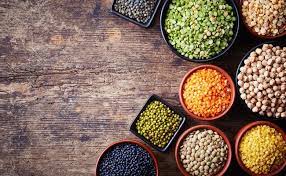
Lentils are edible legume seeds that come in a range of colours such as red, green, brown, yellow, and black. They grow in pods, like other members of the legume family.
Lentils are a high-nutritional-value food that is easy to cook and inexpensive. They include protein, fibre, and a variety of minerals.
Red or green lentil include lots of protein, fibre and important nutrients, such as iron and potassium, in them.
Protein accounts for up to one-third of the calories in lentils, which makes them the third highest in protein by weight of any legume or nuts even. Lentils, like other legumes, are deficient in two important amino acids: methionine and cysteine. This is readily solved by mixing lentils with cereal grains like rice or wheat.
Cooked lentils have a protein content of 8.84 g for each 100g serving. Lentil are a major protein component for lunch or dinner. Adding a part of the protein in stews, curries, salads or grains.
_______________________________________________________________________
Read Also : Vegan Protein Sources
________________________________________________________________________
Chickpeas
https://www.menshealth.com/nutrition/g22984684/high-protein-vegan-foods/
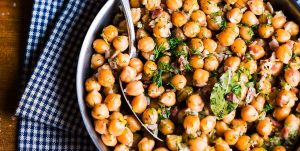
Chickpeas, also known a garbanzo beans, are a legume high in protein, fibre or you can say, they are nutrient-dense, which means they have a high concentration of beneficial elements while being low in calories.
Chickpeas provide around 19gms of protein per 100gm serving. Chickpeas may be consumed hot or cold, with a wide range of internet recipes. You may add them to stews and curries, for example, or spick them in the oven with paprika.
You can just put hummus, composed of chickpea paste, onto a healthy, protein-rich butter sandwich and enjoy a quick snack.
BENEFITS OF CHICKPEAS
- Chickpeas are high in B6 and folate (they provide about 14 percent of your daily needs of each in a 1-cup serving). Thiamin, riboflavin, niacin, and pantothenic acid are also included as B vitamins.
- Manganese, phosphorus, copper, iron, magnesium, and trace quantities of potassium, selenium, and calcium are all beneficial minerals found in chickpeas.
- The protein in chickpeas can assist to induce fullness and maintain control of your appetite. Protein is also well recognised for its function in weight management, bone health and muscular strength maintenance
Kidney beans
Needless to mention , Kidney beans are protein dense. Only 3.5 oz (100 g) of cooked kidney beans include over 9 grammes of protein, which account for 27% of the whole calorie intake.
Although bean protein’s nutritious content is typically less than animal protein, beans is a cost effective solution for a lot of people
Indeed, beans are one of the greatest plant protein sources, sometimes known as “poor man’s meant.”
_______________________________________________________________________
Read Also : 6 Excellent Sources Of Vegetarian Protein For Your Daily Diet
________________________________________________________________________
Yogurt
Not to mention that yoghurt is manufactured from milk. Yogurt eaters will get a dosage of animal protein (approximately 9 grammes per 6-ounce serving), as well as calcium, vitamin B-2, vitamin B-12, potassium, and magnesium, which are all present in dairy foods.
Its beneficial qualities are derived from the process of bacterial fermentation of milk. Yogurt is made with probiotics such as Lactobacillus bulgaricus and Streptococcus thermophilus. They ferment milk, converting lactose to lactic acid.
Lactic acid is generated, which coagulates the proteins in milk, giving it a thick texture and a sour flavor. Yoghurt made in this manner can be consumed plain or sweetened or flavored with fruits of choice. Yogurt may be used in a number of meals as well as smoothies.
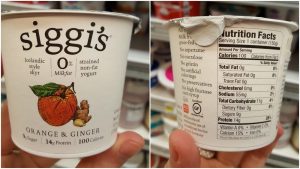
https://www.businessinsider.com/yogurts-with-the-most-protein-2016-4?IR=T#nounos-14-g-27
In fact Among all sorts of yogurts Siggi yogurt has the most protein content that is close to 14 g per serving.
_______________________________________________________________________
Read Also : What are the best sources of omega-3?
________________________________________________________________________
BENEFITS OF YOGURT
- Yogurt is high in calcium, making it a superb choice for bone health. Yogurt eating on a regular basis protects bone mass and strength, lowering the incidence of fractures and osteoporosis.
- Consuming yoghurt on a daily basis helps to maintain regular bowel motions and promotes the flora of our bodies. It eliminates dangerous bacteria in the stomach and improves the health of our digestive system.
- Yogurt has also been shown to help with lactose intolerance, constipation and Helicobacter pylori infections.
TOFU

Homemade Tofu Stir Fry with Vegetables and Rice
https://www.istockphoto.com/photo/homemade-tofu-stir-fry-gm523445425-51261098
Tofu is created from curdled soybeans that are squeezed into blocks, similar to how cheese is made! Tofu also contains nigari, which is the liquid left over after removing salt from sea water and is what you’ll find tofu lazing in when you open the package. Nigari contributes to the distinctive form and texture of tofu, and it is also high in minerals.
Tofu takes on the taste of the dish in which it is made so as to provide a diverse meal. You may try tofu in a favorite sandwich or soup, as a meat replacement. In some recipes like kung pao chicken and sweet and sour chicken, tofu is also a popular meat alternative.
- These soy products also include high calcium and iron levels, which make milk products a healthy alternative
Submitted by Rashmi Ahlawat
Tags: #fitness, #foodporn, #getgreengetgrowing, #gngagritech, #greenstories, #healthyeating, #healthyfood, #healthyliving, #highprotein, #plantbased, #plantbasedprotein, #protein, #vegan, #veganfood, #veganprotein, #veganrecipes, #vegetarian, #vegetarianfood, #vegetarianmeals, #vegetarianprotein, #vegetarianrecipes, #weightlossjourney






love it!