
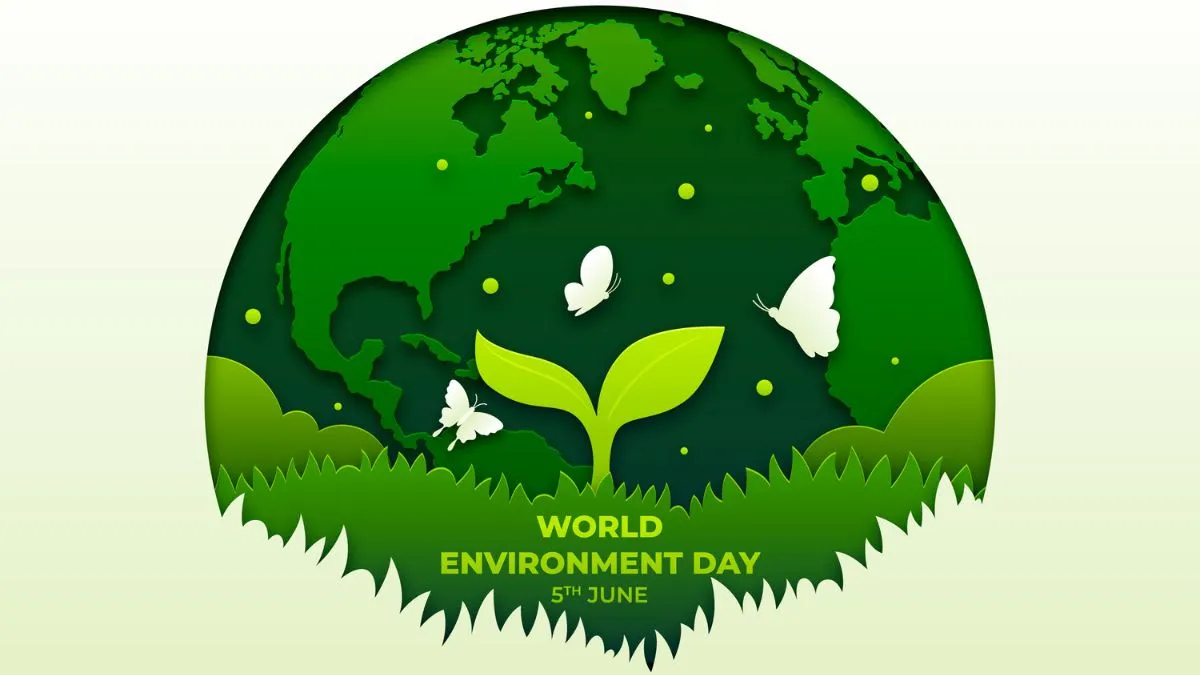
Observed annually on June 5, World Environment Day has grown into the world’s largest environmental awareness platform since its launch in 1972. Here’s a look at the 2026 theme, significance, key objectives and why sustainability remains closely tied to human well-being.
New Delhi:
Observed each year on June 5, World Environment Day brings together governments, businesses, institutions and local communities to highlight the urgent need to protect the planet and pursue sustainable development. Led by the United Nations Environment Programme (UNEP), the event draws global attention to major environmental concerns such as climate change, pollution, loss of biodiversity and the need to restore damaged ecosystems.
________________________________________________________________________
The day also underlines something increasingly difficult to ignore: human well-being and environmental health are deeply linked. Clean air, safe water and stable ecosystems are not abstract environmental goals – they directly influence public health, livelihoods and quality of life. As ecological strain continues to increase, sustainability is becoming less of a choice and more of a necessity.
Theme of World Environment Day 2026
World Environment Day is considered the largest international platform for environmental awareness and public action. Each year, it encourages people to reflect on how everyday habits affect the natural world and to consider realistic steps that can reduce harm and support long-term sustainability.
Its central message is straightforward: small but consistent actions can create meaningful change when adopted widely. Whether that means cutting waste, conserving resources, supporting local environmental efforts or making more responsible consumption choices, the day is designed to remind people that individual and collective action both matter.
The official theme for World Environment Day 2026 is:
“Inspired by Nature. For Climate. For Our Future.”
This theme highlights the importance of shared responsibility and sustained commitment. Campaigns connected to the event often focus on areas such as:
- Reducing the causes of climate change
- Cutting pollution
- Protecting biodiversity
- Encouraging sustainable consumption
- Restoring ecosystems
- Expanding the use of renewable energy
Why World Environment Day is significant
World Environment Day was established by the United Nations in 1972 during the Stockholm Conference on the Human Environment.
Since then, what started as a formal international initiative has evolved into a broad global movement involving millions of participants. Public agencies, private organisations, educational institutions and individuals now take part in awareness drives, campaigns and community events linked to the day.
Over time, it has become an important opportunity to raise public understanding, encourage participation and push for practical responses to environmental issues that affect countries across every region.
Main objectives of World Environment Day
At its heart, World Environment Day is meant to promote environmental responsibility while increasing awareness of issues that affect both ecosystems and human societies.
Its main goals include:
- Encouraging environmental protection and conservation
- Building awareness around climate change and pollution
- Promoting sustainable lifestyles and responsible consumption
- Supporting the protection of biodiversity
- Motivating individuals and organisations to adopt eco-friendly practices
The purpose is not limited to discussion. A major part of the day’s message is that awareness should lead to practical action.
________________________________________________________________________
Environmental sustainability and human health
Environmental sustainability and public health are closely connected. Healthy natural systems provide essentials that people rely on every day, including clean air, safe drinking water, fertile soil and stable food production.
When those systems are damaged, the consequences can spread quickly through everyday life. Food quality may be affected, farming can become less productive and communities may face growing health challenges.
By contrast, more sustainable agricultural and environmental practices can help protect natural resources while also supporting the production of nutritious food for a growing population.
In that sense, World Environment Day carries a broader message. Protecting the environment is not only about saving forests, rivers or wildlife. It is also about protecting human health, improving food security and building a more sustainable future for the generations ahead.
NOTE – This article was originally published in INDIA TV News and can be viewed here