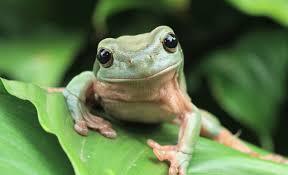

Frogs may go largely unnoticed in our daily lives, but they are constantly at work behind the scenes – helping to control pests, recycle nutrients, and keep ecosystems in balance throughout the year.
World Frog Day, celebrated on March 20, stands as an important date on the environmental calendar. In 2026, this day carries a much more serious tone.
Frog populations are dropping across the planet, and this decline points to deeper environmental problems. When frogs struggle, nature sends a warning.
Significance of frogs
Frogs may look small, but their impact is huge. They eat insects constantly, and that simple act protects crops and reduces pests. Fewer insects also means fewer diseases spreading through mosquito bites.
At the same time, frogs serve as an important food source for many species – birds dive for them, snakes actively hunt them, and even mammals depend on them for survival.
This creates a tight connection in the food chain. Remove frogs, and everything starts to wobble. Ultimately, nature depends on these quiet workers more than we realize.
Nature’s early warning system
Frogs react fast when something changes around them. Their skin absorbs water directly, along with any chemicals in it. This makes them extremely sensitive to pollution.
Because of this, frogs act like living alarms. When something goes wrong in the environment, frogs show it early. Scientists have already noticed changes linked to climate change.
In warmer water, male frogs call faster and louder during mating. These calls signal strength and attract females.
This shift may seem small, but it tells a bigger story. Even slight temperature changes can reshape behavior. By listening to frogs, researchers can track how the environment is changing right now.
More complex than they look
Frogs seem simple at first glance. Smooth skin, big eyes, short jumps. But inside, their biology tells a different story.
Some species use a duplicated gene to decide sex. Instead of creating something new, evolution reuses what already exists. It is efficient and surprising at the same time.
DNA research has also uncovered hidden species. A frog studied for nearly 200 years turned out to be several different ones. Imagine protecting one species, only to realize there are many more hidden within it.
Without correct identification, conservation becomes much harder.
What frog calls really mean
Each frog call carries meaning. Male frogs call to attract females and compete with rivals. A stronger, faster call often signals better fitness.
But nature adds a twist. Studies show that frogs with the most attractive calls often carry more parasites. Strength and weakness exist side by side. A powerful signal may hide a hidden cost.
This creates a constant balance. Frogs show how survival often comes with trade-offs rather than clear wins.
Defense in a dangerous world
Life is not easy for a frog. Predators lurk everywhere. To survive, frogs have developed clever defenses.
Some produce toxic chemicals through their skin. A predator that tries to eat them quickly learns a painful lesson. These toxins can irritate or harm, giving frogs a better chance to escape.
Even more interesting, frogs and wasps sometimes produce similar toxins. These animals are not closely related, yet they arrived at the same solution.
This is called convergent evolution. Different paths, same answer. Nature often repeats what works.
The growing dangers
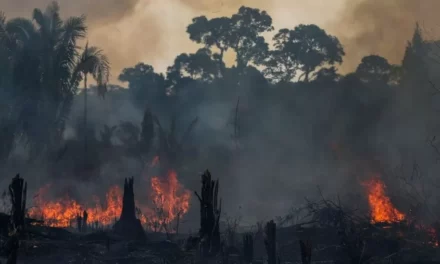
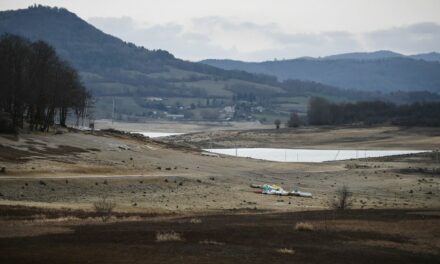
Despite all these abilities, frogs face serious threats today. The biggest one is habitat loss. Wetlands are disappearing, forests are shrinking and water systems are changing.
Frogs lose the very places they need to live and breed. Pollution adds to the problem. Chemicals flow into rivers and ponds, and frogs absorb these toxins directly through their skin.
Climate change makes things worse. Rainfall patterns shift, temperatures rise and breeding cycles get disrupted.
On top of that, a fungal disease called chytridiomycosis spreads across populations, killing frogs in large numbers. The pressure keeps building.
World Frog Day 2026 calls for action
World Frog Day is not only about awareness. It also calls for action.
Groups like the Amphibian Survival Alliance and the International Union for Conservation of Nature (IUCN) work to protect habitats and endangered species.
Frogs are amphibians, like salamanders and caecilians. Many of them are at risk of extinction. When we protect frogs, we also protect this whole group.
Healthy amphibians usually mean a healthy environment. Efforts to save frogs also help many other parts of nature.
Small actions, big impacts
Helping frogs is easy, and you do not need to make big changes. Small actions can make a big difference.
Start by using fewer pesticides. This helps keep water clean, which is important because frogs need clean water to survive. You can also create a small pond in your garden. It gives frogs a safe place to live and lay eggs.
Supporting conservation groups helps sustain the work needed to protect frogs and their habitats.
Sharing accurate information and starting conversations can also raise awareness and inspire others to care.
These may seem like small actions, but together they create real momentum – and give frogs a better chance to survive.
NOTE – This article was originally published in Earth and can be viewed here