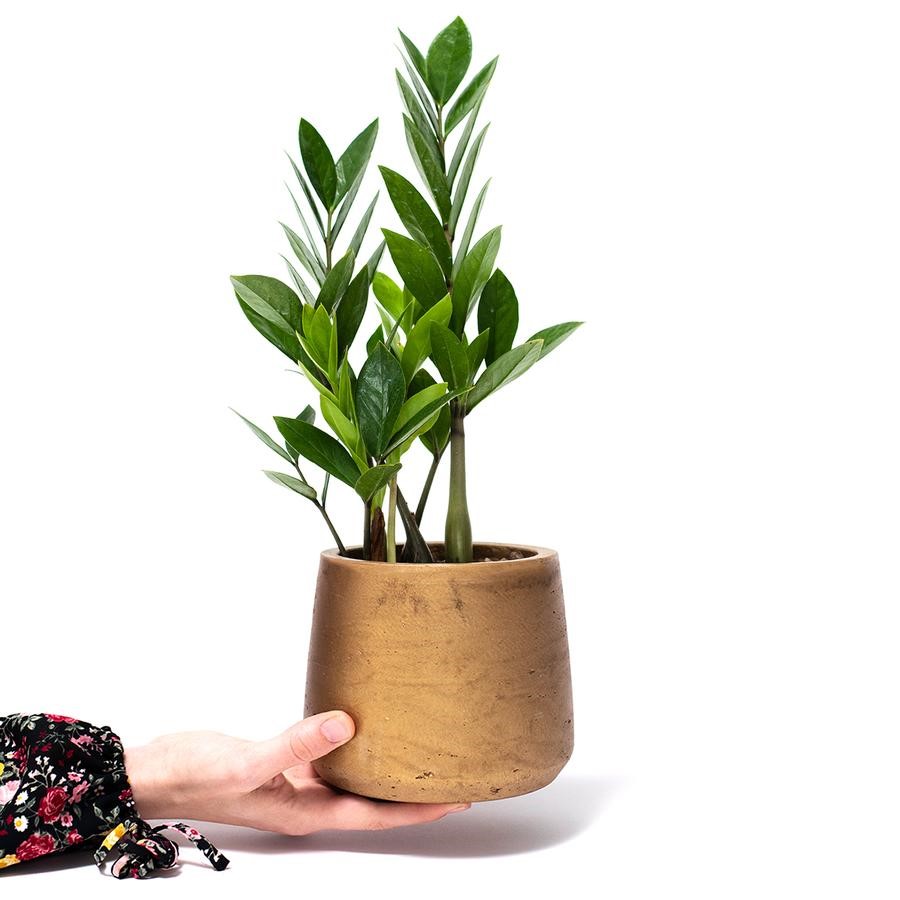
The ZZ is known for its beautiful appearance, with thick, waxy, dark green leaves that has a high gloss texture. What a natural beauty! But there’s a lot more to this plant than meets the eye, which is why it’s such a popular plant option.
Its scientific name is Zamioculcas zamiifolia, but because it’s difficult to pronounce, people refer to it as ZZ plant.

https://homeguides.sfgate.com/care-zamioculcas-zamiifolia-plant-yellowing-leaves-45800.html
BENEFITS OF ZZ PLANT
- The ZZ plant is believed to purify the interior air by collecting toxins such as xylene, toluene, and carbon dioxide from the surrounding air, , according to a study conducted by NASA. As a result, it is one of the rare plants that not only looks nice but also serves a purpose
_______________________________________________________________________
Buy Organic Products Online at best prices at https://www.getgreen.co.in .
_______________________________________________________________________
- It’s a fantastic housewarming present since it “symbolises wealth and friendship.”
- It is often referred to as the eternity plant due of its lengthy lifespan, Because of the plant’s large, fleshy leafstalks, the plant can withstand adverse weather conditions, as a result, it is one of the greatest plants to have.
- ZZ plants are well suited for lazy gardeners or newbies as it requires very minimum care.

https://www.costafarms.com/plants/zz-plant
- Elegant, beautiful and easy to care for, with a simple propagation strategy, it’s a winner. Although it appears to be resilient to most pests that can attack other plants, it can tolerate some neglect.
ZZ plant, fat boy, golden money plant, and eternity plant some of its other names.
ZZ Plant Care
Here are few tips that might help you while taking care of ZZ plant.
- Avoid direct contact from sunlight
ZZ plant grows best in bright to moderate indirect light, although they may also thrive in extremely low light conditions.
This plant is perfect for a windowless workplace or restroom where it will only be exposed to a limited quantity of fluorescent light.
- Do not overwater it
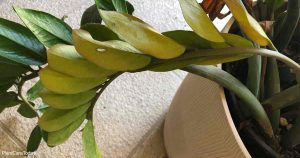
Water the plant only when the soil is completely dry. Overwatering might result in death. When exposed to direct sunlight for a longer duration, the leaves will yellow and burn. A yellow ZZ plant indicates that it is receiving too much water and that its underlying rhizomes are decaying.
So, if you just remember one thing about caring for a ZZ plant, remember to water it. It can last months without water, but it will grow quicker if watered on a regular basis.
Keep these points in check and you are good
ZZ Plants leaves turning Yellow-
https://plantcaretoday.com/zz-plant-yellow-leaves.html
The most common cause of yellowing leaves in ZZ plants is overwatering. Rhizomes, which are subterranean plant stems that store carbohydrates and water, are responsible for growing ZZ plants which is why ZZ plants are so drought-tolerant
_______________________________________________________________________
Read Also : JADE PLANT BENEFITS | ADVANTAGES OF GROWING JADE PLANT
________________________________________________________________________
Rhizome rot is caused by excessive water. In other words, because the plant’s roots aren’t working properly, it can’t get the water and nutrients it needs to grow properly.
Further indications of overwatering are:
- It appears like a large number of leaves are turning yellow.
- As the stalks deteriorate, they turn dark and mushy
- Leaves are prone to drop from the tree.
Here is what you can do if the leaves of ZZ plant start turning yellow
- Removing your ZZ plant from its pot and removing the dirt from its roots will allow you to examine it more closely. Snip away any decaying roots that seem to be dark brown or black (healthy roots will be light tan). Wash the scissors afterward to prevent the rot from spreading to neighbouring plants.
- Fill the container with fresh potting soil after washing it with soap and water. Perlite or gravel can be used to improve drainage. To eliminate extra water, use pots with drainage holes.
- The ZZ plant should be pruned of any damaged leaves and replanted in fresh soil. Cut off the yellow stem where it develops if your stem is yellow.
- Avoid watering too often and keep it in a place with bright, indirect sun so that it may dry rapidly
PROPOGATION OF ZZ PLANT
This plant can withstand hard treatment, propagates even from broken-off leaves, and hence sometimes referred to as a “survival plant.”
While propagating the Zamioculcas Zamiifolia plant is simple, it can be time-consuming. It is possible that there will be no movement for several weeks. You’re fine if the portion of the plant you’re propagating still appears healthy (even if there is no new growth). With these plants, patience is crucial and the only way which is going to work
Despite the fact that ZZ plants grow slowly, they make up for it by being very adaptable and low-maintenance plants.
This indoor plant is just as simple to propagate as any other succulent. You can propagate your ZZ plant using a variety of techniques.
- PROPOGATION BY LEAF CUTTING
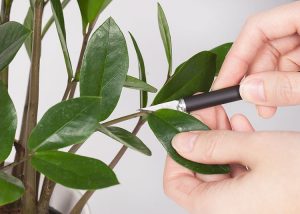
Step 1 – Snip a healthy leaf from a mature branch with a clean, sharp knife or scissors (with petiole). Freshly cut leaves can be propagated, or you can let them sit in the air for a couple of hours to allow the end to callus (swell).
https://www.wildinteriors.com/blog/2019/4/29/how-to-propagate-a-zz-plant
Step 2 – Take a soil-filled container. Make certain that the soil is moistened. Push the leaf into the dirt and make sure it’s secure. The majority of the leaf’s surface area should be above the soil.
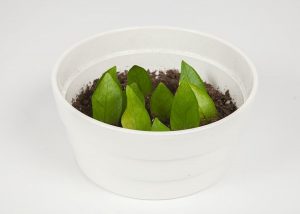
https://www.wildinteriors.com/blog/2019/4/29/how-to-propagate-a-zz-plant
Step 3 – Put your leaf cuttings in a transparent plastic bag or a glass container to maintain the humidity high. More significantly, this will keep the water from evaporating, so you won’t have to do anything with them. In addition, if you have pests like fungus gnats, this will keep them away from your infant plants.
Step 4 – Keep an eye on your leaves on a regular basis. You’re on the correct road if they appear healthy. If you find the leaf is decaying (which is unusual), you can throw it away. Unless absolutely essential, avoid disturbing the leaves.
Although If the bag is airtight, you should open it every other week or so.
Then there’s the waiting. And it can take a long time with these. While you should notice some progress in two to five weeks, this is not always the case.
After a while, the plant will begin to produce spherical rhizomes that serve as water reservoirs. It will begin as a little bump but will continue to expand. From there, the roots will begin to develop.
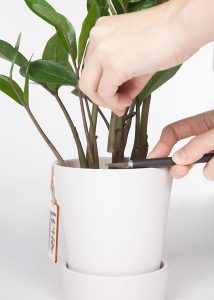
https://www.wildinteriors.com/blog/2019/4/29/how-to-propagate-a-zz-plant
Step 5 – Once rhizomes have formed and there are a couple of roots, you can safely transfer your baby ZZ plant into its own pot. Or plant multiple ones in the pot.
_______________________________________________________________________
Read Also : The 11 Best Indoor Plants of 2021
________________________________________________________________________
- PROPOGATION BY STEM CUTTING –
Similar to leaf propagation, stalk/stem propagation is a simple yet time-consuming procedure.
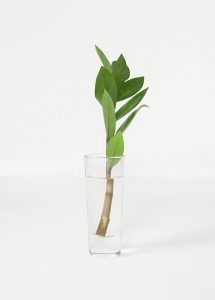
https://www.wildinteriors.com/blog/2019/4/29/how-to-propagate-a-zz-plant
Step 1 – Choose a mature, healthy stem (dark green, not the young brilliant green one). Trim the bottom using sterile scissors or a knife.
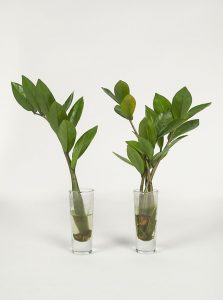
https://www.wildinteriors.com/blog/2019/4/29/how-to-propagate-a-zz-plant
Step 2 – Pour in some water. Every couple of weeks, you’ll need to replace or add water. You have the option of leaving it open or using a (big) zip lock bag.
Step 3 – Place it in an area with plenty of indirect light. Allow a few weeks for the rhizome and roots to develop.
If there is a good rhizome and roots, you may plant it into the soil after around 2 months.
- PROPOGATION BY ROOT –
Despite the fact that it is feasible to reproduce ZZ plants through root division, this is not something an expert would recommend doing. Repotting them is stressful enough, and dividing the roots may easily harm them.
By Rashmi Ahlawat
Tags: #carbon dioxide, #getgreengetgrowing, #gngagritech, #greenstories, #housewarming, #indoorplant, #lifespan, #plant, #sunlight, #survival plant, #water, #ZZ plant