https://www.freepik.com/premium-vector/hand-drawn-ecology-badges-concept_6716740.htm
PLASTIC-FREE LIFESTYLE
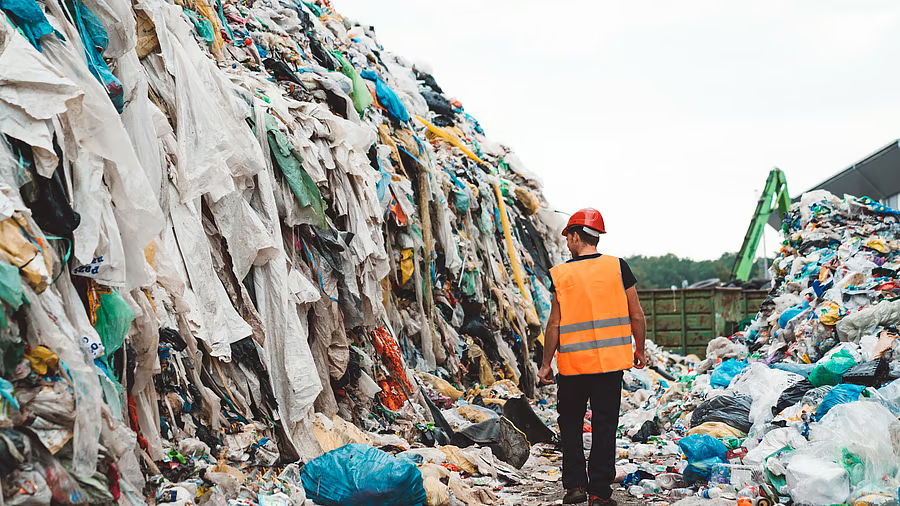
Our assumption and judgments be it any small or big, have a detrimental impact on our life and our surroundings. Since we’re living in this world full of plastic, here’s some facts. According to various surveys conducted every year, the world discards more than 6 trillion plastic bags per year, or in other terms, 160 plastic bags per second. It’s like travelling around the world seven times with your plastic bag, and it happens every second. Eighty percent of the waste in the ocean comes from land-based activities, with 90 percent of it being plastic, and by 2050, we’ll have more plastic in the ocean than fish. And if this doesn’t frighten you, I don’t know what will.
No matter what the scientists say about moving to mars, this is our only planet that we get to call home, and we must start to honour it and treat it in right way, so that we don’t destroy it and ourselves in the process. With that being said, here are some simple tips and some simple actions that you can add or incorporate in your lifestyle to help look after our mother earth. I want to jog your mind about the three R’s before I share a little about some measures that you may do to change your life style in order to assist the environment and reduce trash.

https://medium.com/evolve-you/10-ways-to-reduce-reuse-recycle-83dd37a088aa
Reduce, reuse, recycle – these three words “R” play a significant part in sustainable life since they reduce the quantity of garbage to be disposed of.
Reduce your quantity of trash.
Before replacing objects, reuse as much as you can.
Where possible, recycle goods.
_______________________________________________________________________
Read Also : 5 Ways To Reduce Your Footprint Significantly
________________________________________________________________________
But easier said than done. Are they this easy? No. Its going to take years for people to become aware and further more to practice the same before we can live a plastic free lifestyle. But it has to start somewhere. It all starts with awareness of activities that lead to a change in your reality. We are no policymakers or ministers, but as the saying goes, charity begins at home. We are the decision-makers and presidents of our own lives and homes. As a result, it all boils down to one question: how can we address the problem of plastic pollution at home?
The use of the three ‘R’s also contributes to minimizing the amount of area needed for trash disposal sites. The notion of decreasing what is generated and what is consumed is important to the waste hierarchy. The logic is simple: if there is less waste, there is less to recycle or reuse.
Here are some strategies to live a plastic-free lifestyle.
REDUCE WASTE
It helps to avoid waste from being generated in the first place and this is probably one of the greatest ways to eliminate it, because what is not generated does not require disposal, at first sight.
For example, reusable plastic bottles or metal bottles are an important means of reducing the quantity of plastic we acquire. Reusable plastic containers You have observed your mom store these ice cream tubs/ boxes when you’re done eating the ice cream and they work absolutely well.
REFUSE THE WASTE

Every year, about 100 billion plastic shopping bags are discarded, each of which takes around 1000 years to degrade. Instead of accepting plastic bags and increasing demand for them, use reusable cloth bags or even no bag wherever practical.
_______________________________________________________________________
Read Also : 6 PRACTICAL WAYS WE CAN REDUCE OCEAN PLASTIC POLLUTION
________________________________________________________________________
REUSE
The second ‘R’ examines how specific things (preferably repeated) can be reused before being replaced, for what’s trash to you may be treasure for someone else.
- Purchase products that are reusable. Look for reusable goods; the small stuff may add up. For example, instead of utilising devices, you can carry your own cutlery and cup to work.
- Keep and repair items such as clothes, tyres and appliances to prevent them being thrown away and substituted as often.
- Why not check if we can reuse them, like the bags we get in showrooms or the sweet boxes, instead of tossing items directly into the garbage. They can be utilised more frequently than we might think. Just take old ones and reduce off the quantity of plastics you amass in place of purchasing a new plastic bag every time you go grocery shopping.
Finally RECYCLE
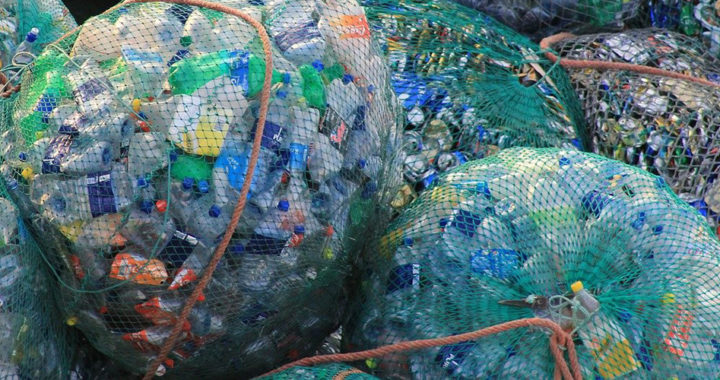
Recycling is the process of converting a waste product into a new thing, or giving it a new lease of life. Always remember to check the bag of any sort of packaging for information on whether the contents can be recycled, and make a conscious effort to ensure that you are both purchasing recyclable items and recycling them.
Here is a list of simple plastic substitutions for those who wish to live a zero-waste lifestyle and be more mindful of their environmental impacts.
_______________________________________________________________________
Read Also : 17 sustainable alternatives to single-use plastics
________________________________________________________________________
- If you’re a huge smoothie or coffee fan, you may use acrylic or steel straws instead of plastic straws.
- Instead of using plastic food wraps to keep your food fresher for longer, use this ecological and reusable food wrap. These are made up of beeswax which is completely natural, organic, and biodegradable.
- Instead of using plastic water bottles, invest in a reusable water bottle that you can refill over and over. The greatest water bottle materials are glass and steel.
- Make every effort to avoid using plastic cutlery. Instead, bring your own silverware or portable utensils made of stainless steel or bamboo.
- The plastic toothbrush may be switched to a bamboo toothbrush. Think about all the plastic toothbrushes you will use in life and think of totally eliminating the trash by just switching to something biodegradable and compostable.
- Try to use cups instead of tampons and pads if you are comfortable. Menstrual cups are composed of silicone of medical standard and one cup is eight to ten years old.
- Finally, decrease your paper volume by changing to paperless as much as feasible. Whenever practicable. With your mail, bills and notes you may accomplish that.
- Avoid eating out by bringing your lunch to school or work. Use a reusable snack bag and a lunchbox. This is not only healthier and less expensive, but it also allows keeps your food fresh for longer. You can use cloth wraps instead of plastic ones which saves the food from getting soggy.
- In the kitchen, use cotton napkins and hand towels.
Submitted By Rashmi Ahlawat
Tags: #climatechange, #eco, #ecofriendly, #environment, #getgreengetgrowing, #gngagritech, #gogreen, #greenstories, #nature, #noplastic, #plasticfree, #plasticfreeliving, #plasticpollution, #recycle, #reuse, #savetheplanet, #sustainability, #sustainable, #sustainableliving, #vegan, #zerowaste, #zerowasteliving