“The benefits of biomedical progress are obvious, clear, and powerful. The hazards are much less well appreciated.”
-Leon Kass
https://www.gulftoday.ae/opinion/2020/04/14/biomedical-waste-issues-come-under-focus
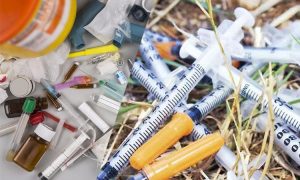
Among the many different kinds of waste found on this planet, one of the most dangerous kinds of wastes would be biomedical wastes.(Biomedical Waste Management) These biomedical wastes consist of used swabs, injection needles, used bandages, scalpels, and so many other wastes generated from hospitals or laboratories.
_______________________________________________________________________
Buy Organic Products Online at best prices at https://www.getgreen.co.in .
________________________________________________________________________
Biomedical waste contains blood or fluids that were present in a sick patient’s body and if they are touched or picked up by some unsuspecting animal or person, they could infect them. Some waste may even be carrying some harmful diseases that could be deadly to the environment and its components.
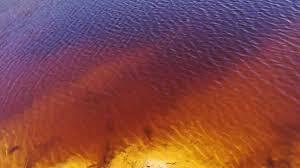
Mass burning of medical waste can release toxins into the air as well and it can prove to be harmful to the citizens of the area as well as the other living organisms who live there. Another way people dispose of biomedical waste is into the seas and oceans. This is one of the worst ways to dispose of these medicines, needles, cotton balls, and so on. These toxins get mixed with the water and enter the system of the aquatic animals in the water bodies.
Not only is this toxic for them but it also affects birds and humans who consume these animals for their food. These medicines and toxic waste can enter our bodies and it can cause many problems including stunted growth in children. It can cause birth defects in newborns and may even cause mutations in aquatic plants and animals.
A vast majority of medical equipment is made up of plastic materials, which is also a dangerous threat to the environment. The advantages that plastic equipment has in the medical industry are so high as they are very effective to use while also remaining sterile before its use make the doctors and nurses rely more on them. This single-use plastic equipment can be thrown away while a new set of instruments can be taken. Where does all this plastic go? To the landfills, of course.
Many workers collect and separate the waste they find in landfills and send them away to be recycled. The biomedical waste they find can be harmful to them as well as stray dogs and cats that dig around in the area hunting for food. Sometimes these workers can make a mistake and accidentally sent harmful biomedical waste to be recycled, which would again come back into society as a newly created product which we will use unknowingly. The rest of the waste will be burnt or incinerated causing pollution and releasing harmful toxins into the air.
_______________________________________________________________________
Read Also : MASSIVE SPIKE IN BIOMEDICAL WASTE AS INDIA BENDS THE CURVE
________________________________________________________________________
There are various steps that can be taken to ensure proper biomedical waste management:
- On-site vs. Off-site: The treatment of biomedical waste can occur either at the area of disposal or somewhere far off. If the waste is to be treated on-site, much heavy machinery is required in the area which would be expensive. Off-site treatment requires the work of people who are trained and highly qualified to take care of the disposal of these wastes. These workers must be extremely careful because they are at risk of exposure to these toxic wastes.
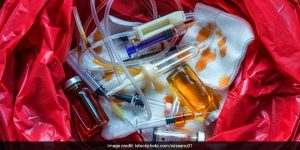
- Generation and accumulation:Since the biomedical wastes are harmful to those coming in contact with them, they must be collected and kept in containers that are red and have the biohazard symbol on them. These containers must be checked to ensure that they are leak-proof and tightly closed before disposing of them.
- Storage and handling:Until the waste is ready to be transported off-site, it must be stored safely in a way that it can’t get out and harm people. The healthcare workers and other workers who handle this waste from the collection point to its disposal point must follow the necessary procedures and wear appropriate clothes so as not to risk themselves or others from the infections the waste may be carrying.

- Treatment:Since biomedical waste can be seriously hazardous to us and to the environment, proper care must be taken to ensure that the waste is disposed of properly. This even involves transforming the waste into unidentifiable substances so that they cannot be used again. Biomedical waste is usually incinerated which should destroy any pathogens and sharps that may be included in the waste. Other methods such as gasification and pyrolysis can also be used to safely destroy the wastes.
_______________________________________________________________________
Read Also : Medical waste: A pollution crisis no-one talks about
________________________________________________________________________
The main intention of treating these biomedical wastes would be to destroy any disease-containing pathogen that can be present on the medical instruments. Since the incineration of these wastes was proving to be more dangerous to the environment, scientists found a few alternative ways to treat and dispose of biomedical wastes. Some of the methods are using Autoclave, Plasma pyrolysis, gasification, microwave irradiation, and other chemical methods. These treatment methods were proven to be environmentally friendly as well.
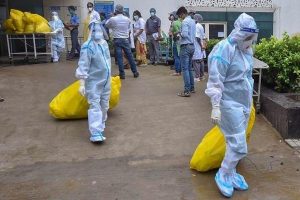
In order to control biomedical waste production in clinics and hospitals, many steps must be taken by the authorities. Routine check-ups of the hospital disposal area must be conducted and the hospital authorities must take proper action to ensure that the waste is contained and transported to a safe location where it can be disposed of safely without affecting any humans or other creatures. We must also take proper care in disposing of medicine bottles and bandages that we use in our homes and ensure that we dump them with the right kind of trash so that they can be properly treated so as not to prove dangerous to the environment.
-Sharon Ajith -11/06/2021
Tags: #biomedicalwaste, #covid, #drugdisposal, #emsllc, #getgreengetgrowing, #gngagritech, #gogreen, #greencompany, #greenstories, #hazardous, #hazardouswaste, #india, #labdisposal, #laboratory, #medicalwaste, #recycle, #waste, #wastemanagement, #wastesegregation, Biomedical Waste Management