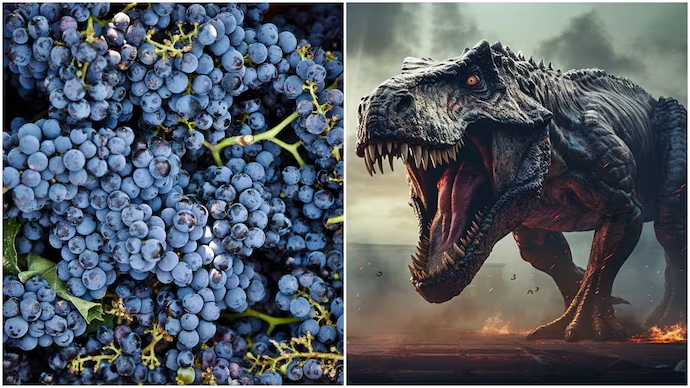
The discovery is particularly significant as it coincides with the period following the massive asteroid impact 66 million years ago, which triggered a global reset of plant life.
In Short
- The team identified nine new species of fossil grapes
- It included the earliest known example of the grape family
- The research team employed advanced techniques, including CT scans
A new discovery in palaeobotany has shed new light on the evolution and spread of grapes following the extinction of dinosaurs.
Researchers have unearthed fossil grape seeds dating back 60 to 19 million years in Colombia, Panama, and Peru, as detailed in a recent study published in Nature Plants.
________________________________________________________________________
Read Also : Renewable Energy- The Light of Our Better Future
________________________________________________________________________
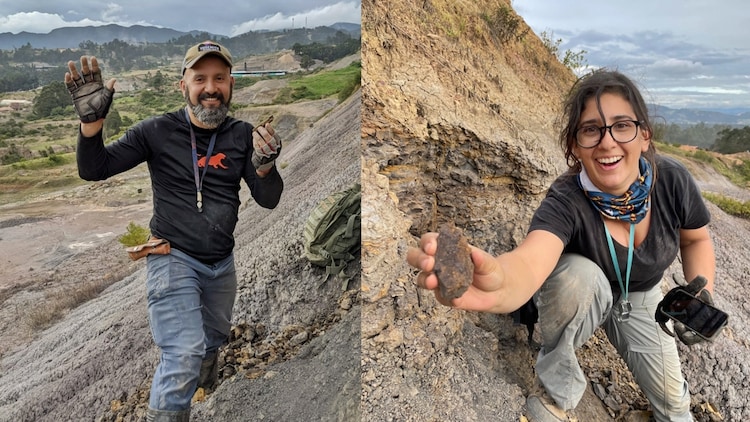
Led by Fabiany Herrera, an assistant curator at the Field Museum in Chicago, the team identified nine new species of fossil grapes, including the earliest known example of the grape family in the Western Hemisphere.
The fossil seed itself is tiny, but Herrera and Carvalho were able to identify it based on its particular shape, size, and other morphological features.
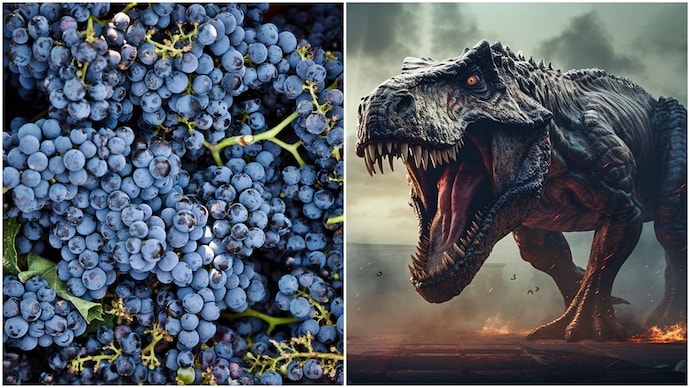
This finding provides crucial insights into how grapes proliferated across the globe in the aftermath of the dinosaur extinction event.
The discovery is particularly significant as it coincides with the period following the massive asteroid impact 66 million years ago, which triggered a global reset of plant life.
________________________________________________________________________
Read Also : SUSTAINABLE LIVING: A Leap to Green Future
________________________________________________________________________
Herrera and his colleagues hypothesise that the disappearance of large dinosaurs may have altered forest ecosystems, creating denser, more layered environments that favored climbing plants like grapes.
The oldest grape seed fossil in this study, found in the Colombian Andes, dates back 60 million years. Named Lithouva susmanii, it represents one of the world’s oldest grape fossils. The research team employed advanced techniques, including CT scans, to confirm the fossil’s identity and internal structure.
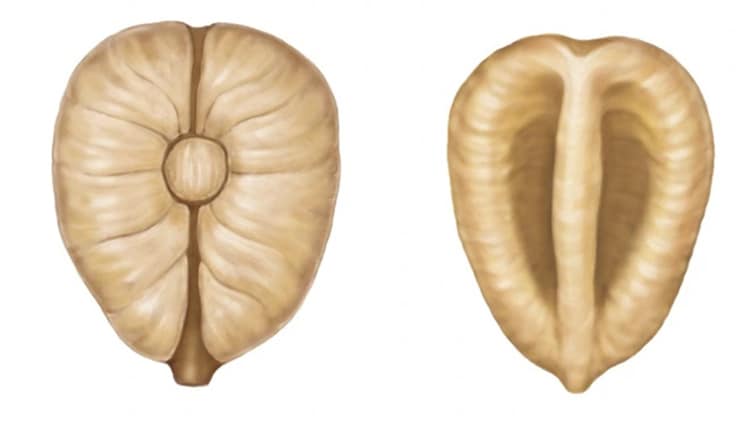
This study not only illuminates the evolutionary journey of grapes but also highlights the resilience of the grape family through multiple extinctions and dispersals.
________________________________________________________________________
Read Also : Triple jeopardy: Children face dark future of climate disasters
________________________________________________________________________
Some of the discovered fossils represent species that are now only found in the Eastern Hemisphere, indicating complex patterns of adaptation and survival. The findings have broader implications for understanding biodiversity crises and plant evolution.
As Herrera notes, these “humble seeds” provide valuable insights into forest evolution and the long-term impacts of major extinction events on plant life.
NOTE – This article was originally published in indiatoday and can be viewed here