Dams play one of the most crucial roles in managing water resources. They were designed long years ago, progressing present evidence about hydrology and hydromechanics. They are not standard engineering constructions. Dam operations, which are useful in fulfilling the need for water in the desired duration and overseeing stream authorities, have undertaken an essential purpose in improving civilization.(Climate)
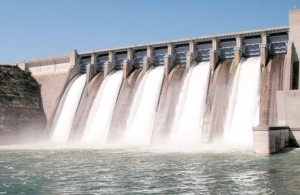
Dams have been built to prevent floods, to provide drinking and domestic water, to produce energy, and for irrigation objectives since the old-period. Dams have a tremendous value of positive and negative impact on the environment besides their advantages like:
- Flood control functions: It reduces and removes the flood consequences.
- Land modification privileges: These are the additional benefits that will occur after improving soil productivity because of drainage and land development safeguards.
- Electricity power advantages: These are the energy benefit significance of the more reasonable program out of two alternative missions.
- Transportation services: These are the advantages that will occur if there is a waterway carrier in the project.
- Delivering drinking water and domestic water goals are distinct from each other and should be examined individually.
- Irrigation usefulness: This specifies the significant benefits between dry and irrigated roles.
Positive Impact of Dam on the Environment
Building of dams in rivers effect methods in the broader biosphere. Most of the water pools considerably contribute to emissions of greenhouse gases. According to the new researches, the flow of nutrient and residue drives biological procedure that assists as a “carbon sink” for greenhouse gases.
Irrigation
Dams deliver a useful source of water for the objective of irrigation. This is the primary motive for the construction of dams. The majority of nations are insufficient on water resources and rely on monsoon water for irrigation intention. However, due to immediate differences in seasonal climate situations, dam building is essential to offer much-needed moisture to the regional community. Dams support them to withstand any water shortage that is not fulfilled by a deficient monsoon.
The requirement of drinking water
There is one additional reason why nations motivate the construction of dams. It is because dams rule as an essential source for drinking water. It delivers the public with vital drinking water throughout the year. Due to poor rains, natural calamities like earthquakes, and drained water resources, rivers bring dried up very shortly. This brings it crucial to construct dams to withstand scarcity of water. Most of the dams facilitate fresh drinking water and electricity to civilization in the local region.
Produces Hydropower
The design of the dam for the production of hydroelectricity is another innovation by scientists. Now dams can be constructed for the creation of hydroelectric energy. The water obtains passed under elevated pressure through turbines. It prompts them to rotate at high velocities that generates electricity. One dam can deliver a lot of electricity that is adequate to power up one small city for one exact year. Also, this power is bare of any greenhouse gases and harmful gases. This gives rise to a lot more favorable for a country.
Negative Impact of Dam on the Environment
The construction of dams negatively affects the climate in several manners. The unfavorable environmental consequence caused by a large dam is different and multiple. It promptly impacts the chemical, physical, and biological nature of the environment and rivers. Let us discover further about them.
Prohibits migration of fishes
The sides of the dam hinder the migration of fishes, which segregates rearing environments and breeding habitats. It also seizes residue that is important for conserving physical methods and habitats. Some of these protocols comprise the maintenance of useful deltas, fertile floodplains, barrier islands, and wetlands. Also, modifications in the timing and flow of the rivers can develop circumstances that endanger the survival of the variety of species that have grown up to survive there. Any change in the hierarchy and configuration of the river can have terrible effects on the surrounding type, in many possibilities directing to expiration.
The distorted flow of water
The variation of the flow of river and vehicle of sediment causes immense constant consequences on the environment. Life inside a river is mended on the percentages and timing of the flow of a river. Altered or frightened water flow can cause a lot of damage to aquatic life. Modest modifications in the timing and the amount of water flows impact marine life, relaxing a river’s atmosphere.
Outcomes in improper survival situations
Dam renovates the free-flowing ecosystem to an unusual slack-water pool environment. It gives rise to improvements in temperature, dissolved oxygen levels, the biological characteristics of a reservoir, and its chemical configuration that are not reasonable for aquatic animals’ survival. Dams host intrusive and non-native people such as snails, predatory fish, and algae that destabilize the regular groups of marine environments.
Deteriorates river bottoms
The dam will restore downstream ecosystems generally. It compels a river from the burden of residue and seeks to apprehend it again by eroding the river ground and banks. Worsening of riverbed lowers groundwater index that renders it inapproachable to the origins of marine plants. Such substitution in the riverbed reduces the environment that species on the floor of the river.
Read Also : Global Ice Melting – Climate Change Indicator
Greenhouse gases
Most reservoirs, especially those in tropical areas, radiate considerable percentages of greenhouse gases because of anaerobic bacteria that shatter the vegetation at the root of the pool, giving off carbon dioxide and methane. Additionally, the modifications to rivers’ timing, chemical, sediment composition, and flow guide to impressive deviations in floodplains and wetlands, resulting in the devastation of surrounding woodlands or forests. Deforestation participates considerably in environmental change because the trees no longer store extra carbon dioxide, and their previously consumed carbon is discharged into the environment. And the drying out of wetlands eradicates another vital carbon sink.
Dams, which participate in the national economy from many characteristics like irrigation, drinking water supply, electricity production, food management, fishing, tourism, are also beneficial in improving the living and civilization level of the area that they were built. Meanwhile, the modern climate created by the dam also benefits the arrival of various variety of species to the site. To protect the environment from its negative consequence, it comes to be crucial to analyze and conserve dams for a common purpose.
This will enable a lot in preventing a few of its negative consequences, like large-scale flooding that is the result of extensive dam failure. Dams are not only significant in moderate growth but also overall economic and ethical improvement. In many evolved regions, dams have conducted a crucial role in the progress of the underdeveloped nations.
Tags: #a, #aothun, #chanvay, #dam, #damdep, #getgreengetgrowing, #gogreen, #greenstories, #lake, #love, #m, #nature, #naturephotography, #photography, #travel, #vay, #water