Environmental Impact
A cyclone is an atmospheric spinning storm caused by a low-pressure system. Cyclone air rotates counter clockwise in the Northern Hemisphere and clockwise in the Southern Hemisphere. Tropical cyclones develop over tropical or subtropical waters. In various areas of the world, these massive weather systems are known by different names, although they are most often referred to as typhoons or hurricanes. Cyclones are categorised based on their wind speed, which can range from 74 to 156 miles per hour. Tropical cyclones also alter the atmosphere well beyond where they make landfall.
________________________________________________________________________
Read Also : 2020 is on course to be the warmest year on record,
_______________________________________________________________________

Winds
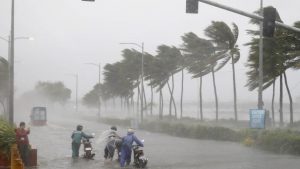
The winds of a Category 1 cyclone do not damage shrubbery or trees. Category 5 storms are the most dangerous, with winds reaching 156 mph. These powerful winds have the potential to uproot trees and flatten buildings. Interval cyclones cause varying degrees of damage, such as cutting branches from trees and damaging vegetation. This also results in the extinction of animal species, as well as the disruption and alteration of ecosystems. People and animals can be killed by flying debris from either of these windstorms. Infrastructure, such as power lines, communication towers, bridges, and highways, may also be damaged by cyclonic winds.
Flooding
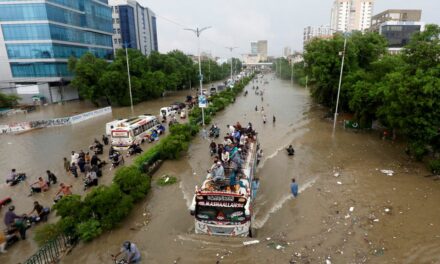
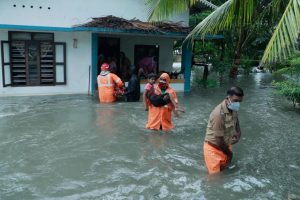
Flooding can be caused by cyclones in two ways. To begin with, tropical cyclones often cause an increase in ocean water levels, resulting in higher-than-normal sea levels. These tides, also known as tidal waves, have the potential to drown people and animals, and they are often the most dangerous aspect of a cyclone. Cyclones can also bring torrential rains, which can cause flooding.
Overflowing waters in coastal areas can cause damage to buildings and infrastructure for a variety of reasons. Furthermore, they have the potential to devastate vegetation and flow into estuaries, causing harm to the plant and animal populations that live there.
Erosion
The high winds of a cyclone will erode the soil, causing damage to established vegetation and habitats. This erosion exposes the field, making it vulnerable to further wind erosion. Blowing soil and sand into other areas will damage the vegetation there.
_______________________________________________________________________
Read Also : A Return Gift to the Mother Earth
_______________________________________________________________________
Storm surges from tropical cyclones can also cause erosion. The sand is dragged back into the ocean by waves that reach deep onto a beach, leaving the impacted area severely eroded. Beach and dune habitats, as well as buildings, can be harmed. The sand would eventually return to the beach, but it could take years.
Storm Churn
When a cyclone’s winds churn up cold water as it passes through the ocean, this is known as storm churn. After the storm has passed, the churning decreases the water temperatures, preventing the emergence of new storms.
The ocean current that transports warm water from tropical oceans to the poles and cold water from the poles to the tropics is also energised by storm churn. Purdue University’s Michael Huber predicts that storm churn will continue to cool the ocean’s surface temperatures for hundreds of years, putting to rest concerns that global warming will lead to a rise in the strength, number, and duration of potential tropical cyclones.
Personal Cyclone Preparedness and Safety Procedures
The Queensland Government offers a variety of disaster preparedness resources, including how to create an emergency plan and prepare your home.
BEFORE THE CYCLONE SEASON
- Find out whether your home was designed to cyclone specifications by contacting your local council or building control authority.
- Make sure your home’s walls, roof, and eaves are stable.
- Clear the treetops and branches away from your house (get council permission).
- Fit shutters or metal screens to all glass areas, if possible.
- Remove any loose materials from your property that might blow around and cause injury or harm during high winds.
- Know the nearest secure high ground and the best access route to it in the event of a storm surge/tide alert or other flooding.
- Make an emergency kit with the following items:
- a battery-powered radio, a torch, and extra batteries;
- a can opener, water pots, and dried or frozen food
- matches, a portable stove, cooking equipment, and eating utensils; and
- a first-aid kit with instructions, window masking tape, and waterproof bags
- Post a list of emergency phone numbers on the refrigerator.
- Inspect your neighbours, particularly if they are newcomers, to ensure they are prepared.
WHEN A CYCLONE WARNING IS ISSUED
The following acts could be warranted based on official advice given by your local authorities as the incident progresses.
- Collect children from school or childcare centre and return home if local authorities order it.
- Park vehicles in a well-protected area (hand brake on and in gear).
- Fill your pool with wooden or plastic outdoor furniture, or store it inside with other loose objects.
- All windows should be shuttered, boarded up, or heavily taped. Close the curtains and close the window.
- Prepare an emergency bag with warm clothing, prescriptions, infant food, and diapers.
- valuables, essential documents, pictures, and mementos to be carried in waterproof bags
- the first-aid kit Large or heavy valuables may be kept safe in a sturdy cabinet.
Stay inside (with your pets). For more details, tune in to your local radio or television station.
WHEN THE CYCLONE STRIKES
- Switch off all electric appliances. Updates can be found by listening to your battery radio.
- Stay inside and seek refuge in the best part of the building (away from windows).
- e. cellar, an internal corridor, or a bathroom. Keep evacuation and emergency kits on you at all times.
- Cover yourself with mattresses, rugs, or sheets under a tarp if the building begins to crumble.
- a sturdy table or bench, or a solid fixture, such as a water pipe
- Be wary of the serene ‘eye.’ Don’t believe the cyclone is over only because the wind has died down; violent winds can last for days.
- will quickly restart in a different direction Wait for the official “all clear” from the authorities.
- If you’re driving, come to a complete stop (handbrake on, gear engaged) far from the sea and away from trees, power lines, and streams. Maintain your place in the car.
AFTER THE CYCLONE
- Don’t go outside unless you’ve been told it’s secure.
- Keep an eye out for gas leakage. If you’re muddy, don’t use your electric appliances.
- Official warnings and recommendations can be found on local radio stations.
- If you are required to evacuate or have already done so, do not return until notified. Use a suggested route and take your time.
- Stay away from downed power lines, bridges, houses, and trees, and stay out of floodwaters.
- Pay attention to all signs and avoid going sightseeing. Instead, check on/assist your neighbours.
- Avoid making unwanted phone calls.
_______________________________________________________________________
Read Also : The Earth is Home to Over 50 Billion Birds, Six Times More Than Humans,…
_______________________________________________________________________
Conclusion
In this article We have discussed about Environmental Impact of A Cyclone And Some Safety Tips. We hope you understand all of my points.
In the next article, we’ll look at History of Major Cyclones that have hit India and how they affect the environment. For doubts and feedbacks, please leave a comment below.
Tags: #climate, #cyclone, #environmental, #floodwaters, #getgreengetgrowing, #gngagritech, #greenstories, #houses, #india, #rain, #rainfall, #trees