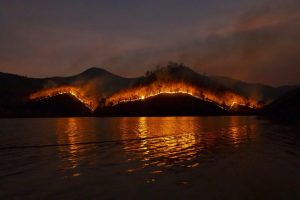
Forest fires are getting recognised as a pressing global issue in governments all over the world. Increasing temperatures are prolonging the reach and time period of the fires.
Wildfires are significant for clearing the harmful wild components like disease-causing microorganisms, parasites, bushes, etc. They stimulate flowering and fruiting of many plants. Wood ash is considered one of the best fertilisers. In the long run, fires help to maintain the ecosystems and enrich the biodiversity of an area.
_______________________________________________________________________
Buy Organic Products Online at best prices at https://www.getgreen.co.in .
_______________________________________________________________________
Climate Change and forest fires
From the previous century, global warming, extreme weather changes and other human-influenced elements are creating an imbalance in the biosphere and disturbing the patterns and magnitude of forest fires. Climate change is playing a larger role than ever in forest fires. Our warming climate is causing higher temperatures, widespread drought and earlier snowmelt which causes favourable conditions for wildfires.
Climate change also causes other problems such as the infestation of insects, like winged bark beetles, to expand into new regions where they once could not survive. More infestations further result in more dead trees which eventually increases the amount of fuel available for fires.
The resilience of forests, grown again after the fires, has deteriorated through the generations as the whole biosphere has considerably changed from what it was a century ago.
Significant facts concerning forest fires
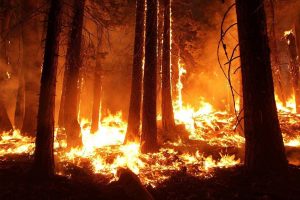
Although wildfires are called natural disasters, they are almost always the result of human behaviour. Nearly seventy-five percent of all forest fires in the world are caused by people.
_______________________________________________________________________
Read Also : Can carbon removal save us?
________________________________________________________________________
Billions of tons of excess CO2 is released into the atmosphere which has further implications of respiratory problems and greenhouse effect.
Multi-year drought and precipitation patterns also contribute to the growth of low vegetation that is prone to combustion when dry, serving as kindling for larger fires.
Thunderstorms are the most likely natural cause for forest fires but naturally occurring wildfires have never posed a threat to the overall stability of the ecosystem.
Consequences of Forest Fires
Forest fires have a diverse set of implications on the ecology, economy and sociology of the world such as the following:
- Timber with high economical worth is lost.
- Catchment areas are degenerated.
- There is a loss of flora and fauna.
- Natural carbon sinks get obliterated. Release of carbon dioxide enhances the impact of global warming.
- The weather cycles of the area being affected by forest fires get drastically altered.
- Soil erosion due to loss of forest cover degrades the fertility of the area which affects the crop output.
- Ozone layer is depleted due to changes in the composition of the atmosphere.
- The livelihood of people in close proximity to the affected areas is disrupted.
- Over time, the landscape could change entirely with trees replaced by shrubs and grasses.
- Post the wildfire season during heavy rains, mudslides could happen due to soil erosion and reversal in the vegetation of the area.
_______________________________________________________________________
Read Also : Carbon Footprint – Facts and Effects
________________________________________________________________________
Wildfires around the globe
With rising population and needs of the forest resources, the fire cycles have been negatively influenced.
According to some studies, drier places in the middle latitude and Australia will most likely experience more fires at this rate of changes in the global climate patterns. Places at higher latitudes may also be at greater risk in the coming times.
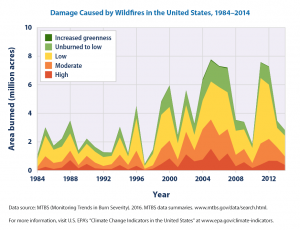
Around fifty thousand wildfires occur in the US annually which consume up to five million acres of forest cover.
Recent forest fires in Oregon, California and Washington have set some records, millions of acres of land got burned. Scientists predict that these wildfires would occur more often.
In Australia, the 2019-20 bushfire season is being called the black summer due to widespread devastation caused by it. Around fifty million acres of the area got burned, hundreds of millions of animals perished, more than six thousand buildings were destroyed and about 40 casualties were reported.
Conclusion
With the plethora of tools and data available today, we must try to curb the effects of these fires but forest management measures alone are not sufficient to fix these issues. Changing climate is expected to continue to cause the wildfire seasons to be longer and more intense. We must sharply curtail global warming that is inciting climate change and provoking the forest fires.
Tags: #bomberos, #climatechange, #fire, #firefighter, #firefighters, #firefighting, #fireseason, #forest, #forestfire, #getgreengetgrowing, #globalwarming, #gngagritech, #greenstories, #nature, #wildfire, #wildfires, #wildland, #wildlandfire, #wildlandfirefighter, #wildlandfirefighting