If animals have different blood types, then can they be used in blood transfusions?

Humans have four main blood types: A, B, AB and O. Each type has different molecular markers (‘antigens’) on the surface of the red blood cells. Antigens help our immune systems identify cells as ‘self’ or ‘other’.
________________________________________________________________________
As well as the ‘ABO’ blood types, our red blood cells can also be positive (+) or negative (-) for another type of antigen, called rhesus D (RhD). Thus the four blood groups turn to eight: A+, A-, B+, B-, AB+, AB-, O+, and O-.
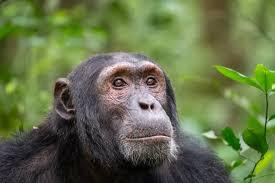
Non-human animals also have antigens on their red blood cell surfaces. Unsurprisingly, most great apes – our closest relatives – have blood that can be classified into the same ABO system as human blood.
Chimpanzees and bonobos have mainly type A blood, while orangutans have A, B, AB, and O. Gorillas, however, appear to have blood types that do not fit the ABO system.
In all great apes, red blood cells can also be positive or negative for RhD – although their RhD antigens are a little different from our own.
Given the similarities between great ape and human blood, you might wonder if blood transfusions would be possible between them.
Such interspecies blood transfusions, known as xenotransfusions, are potentially possible between Type O chimps and humans, but there is a high risk of complications.
Pig blood, on the other hand, is a bit better suited to xenotransfusion, especially now that we are genetically modifying pigs to produce blood cells that humans can tolerate.
________________________________________________________________________
So, despite their close relatedness to us, great apes are not the most promising blood donors – instead, genetically modified pigs are.
There are still many animals, particularly wild species, whose blood we have not yet typed. At the moment, cows, dogs and chickens have the most known blood types. Cows have 11, while dogs and chickens have a whopping 13.