Long before the Indian Meteorological Department (IMD) issued its first forecast, farmers had already perfected the art of reading the skies using their own traditional methods.
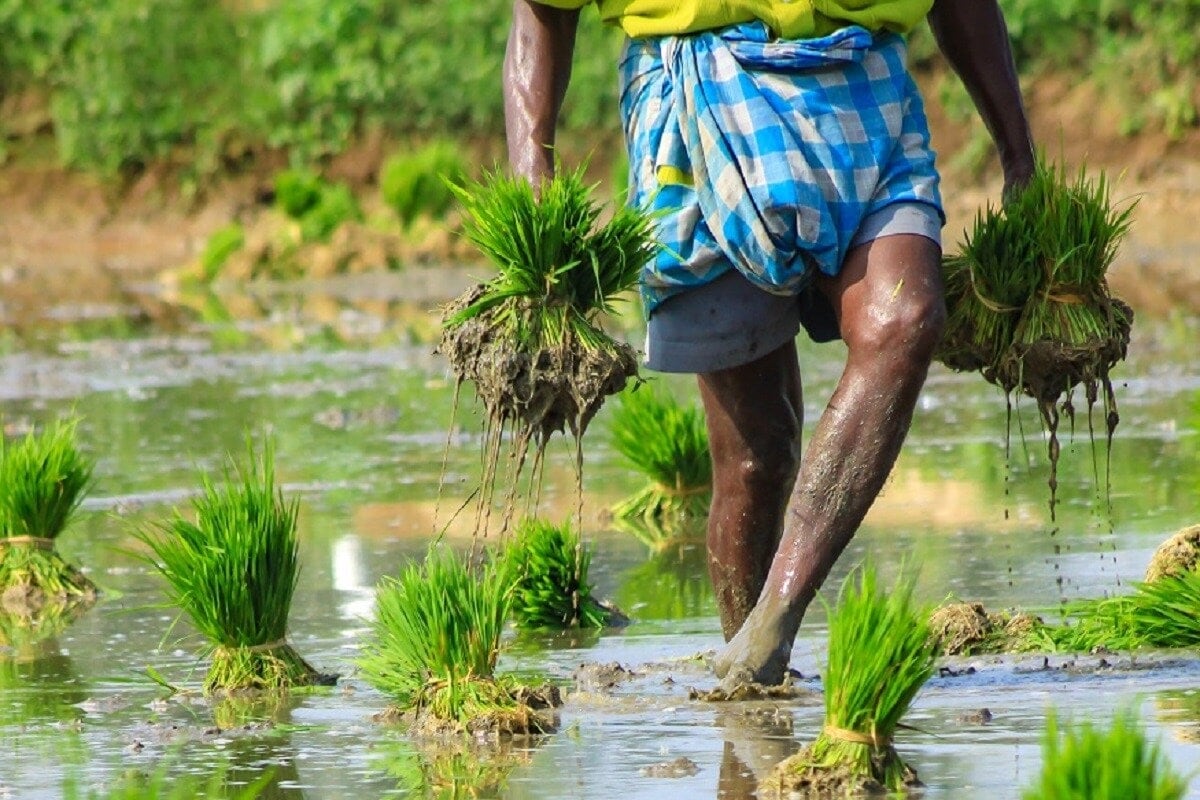
For years, Indian farmers had developed their own ways of reading the skies. These were not scattered folk beliefs or isolated tradition. In many regions, communities followed carefully observed systems that were refined over generations, recorded in texts, and passed down with remarkable consistency. (File Photo)
________________________________________________________________________
2/8
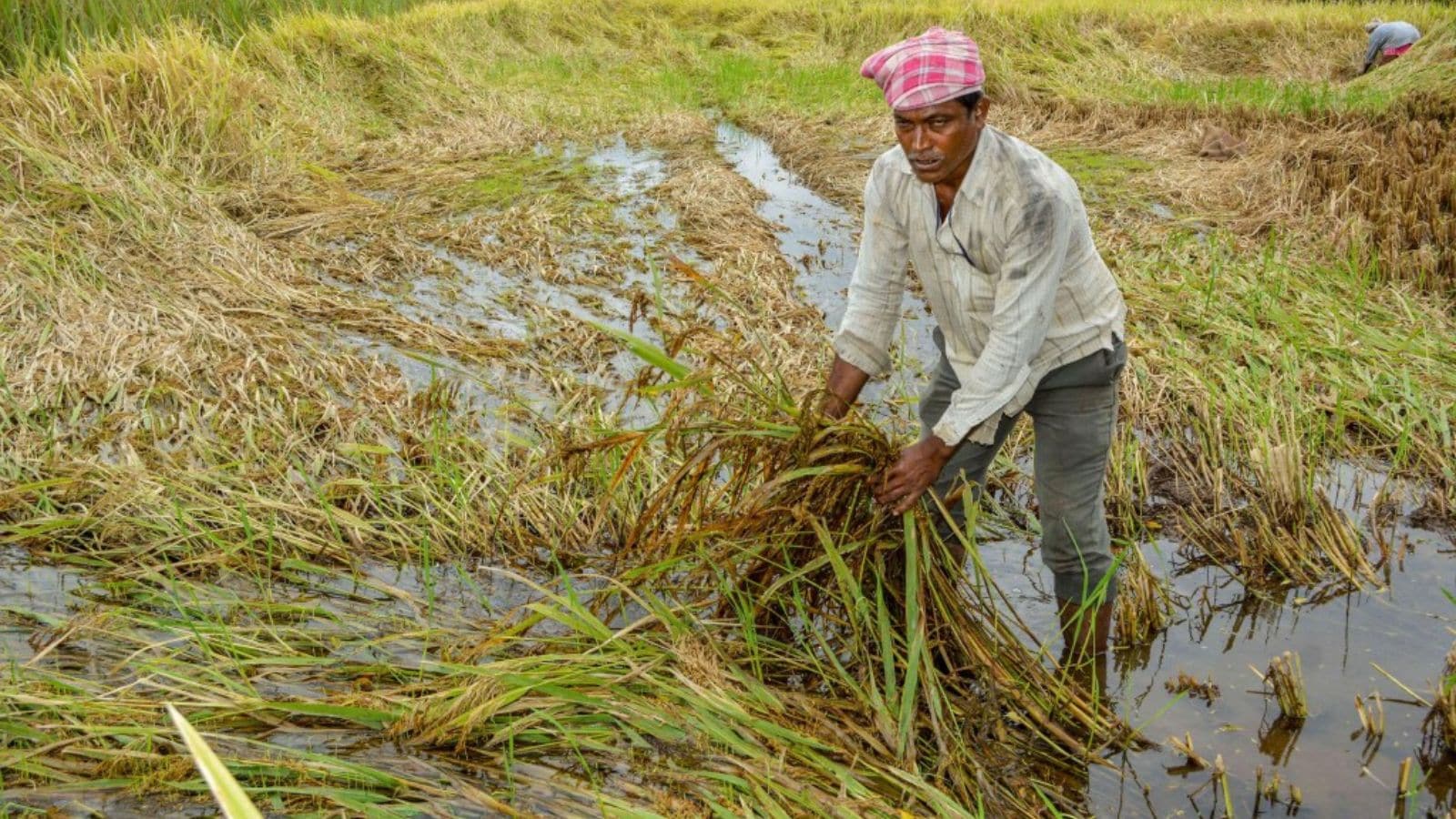
Reportedly, some of India’s oldest rain-prediction practices were closely linked to astronomy. The Vedanga Jyotisha, one of the earliest known Indian texts on astronomy and timekeeping, laid the foundations for the Panchang – the Hindu almanac that is still consulted in many parts of the country today. By tracking the movements of the sun, moon, and stars, the method helped communities anticipate seasonal changes, including rainfall patterns. (File Photo)
3/8
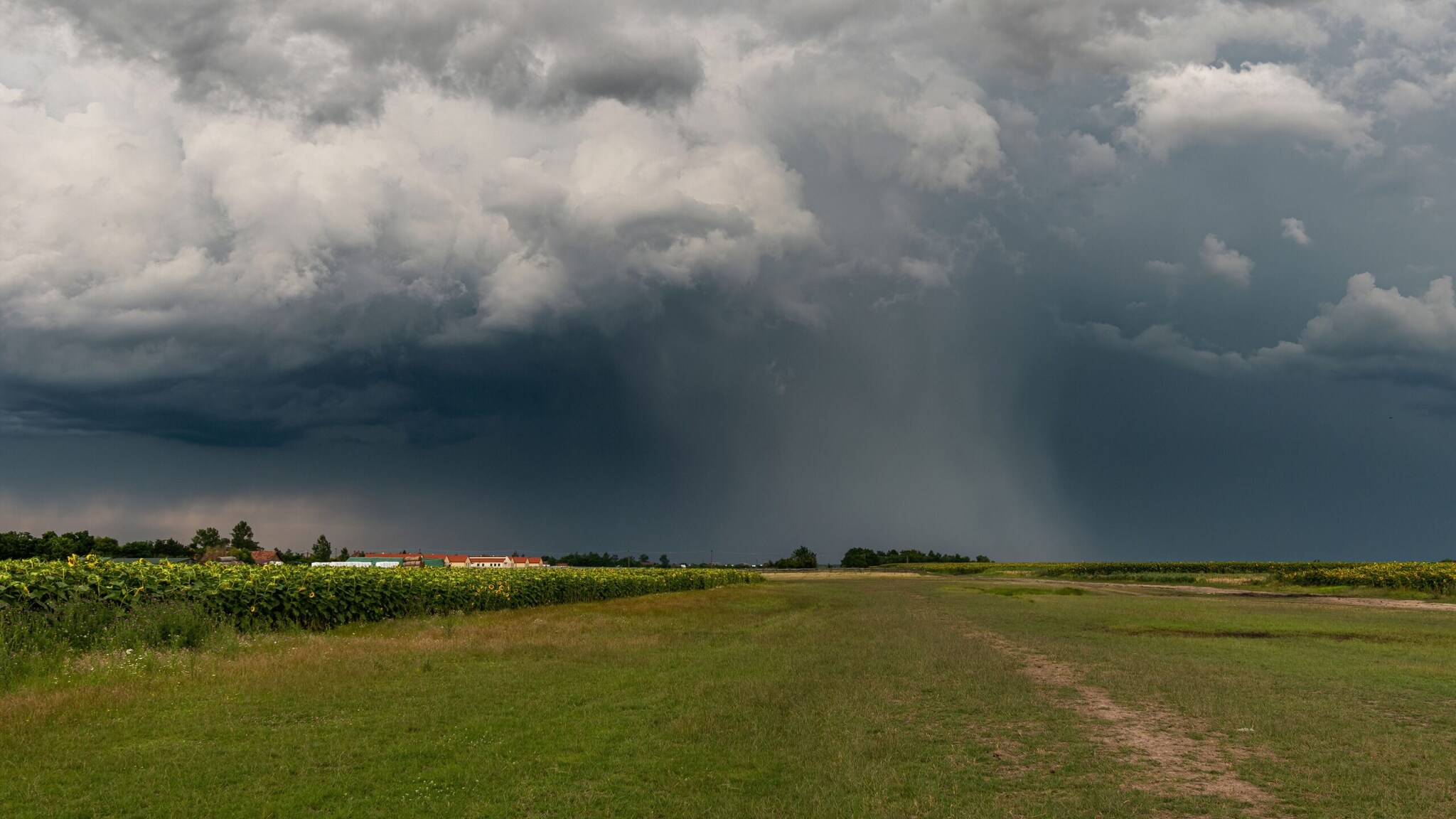
Centuries later, astronomer and scholar Varahamihira expanded these ideas further. In his work Brihat Samhita, written in the 6th century CE, he described links between rainfall, celestial events, and atmospheric conditions. As per some researchers, parts of these observations resemble concepts found in modern meteorology. (Image: Pexels)
4/8
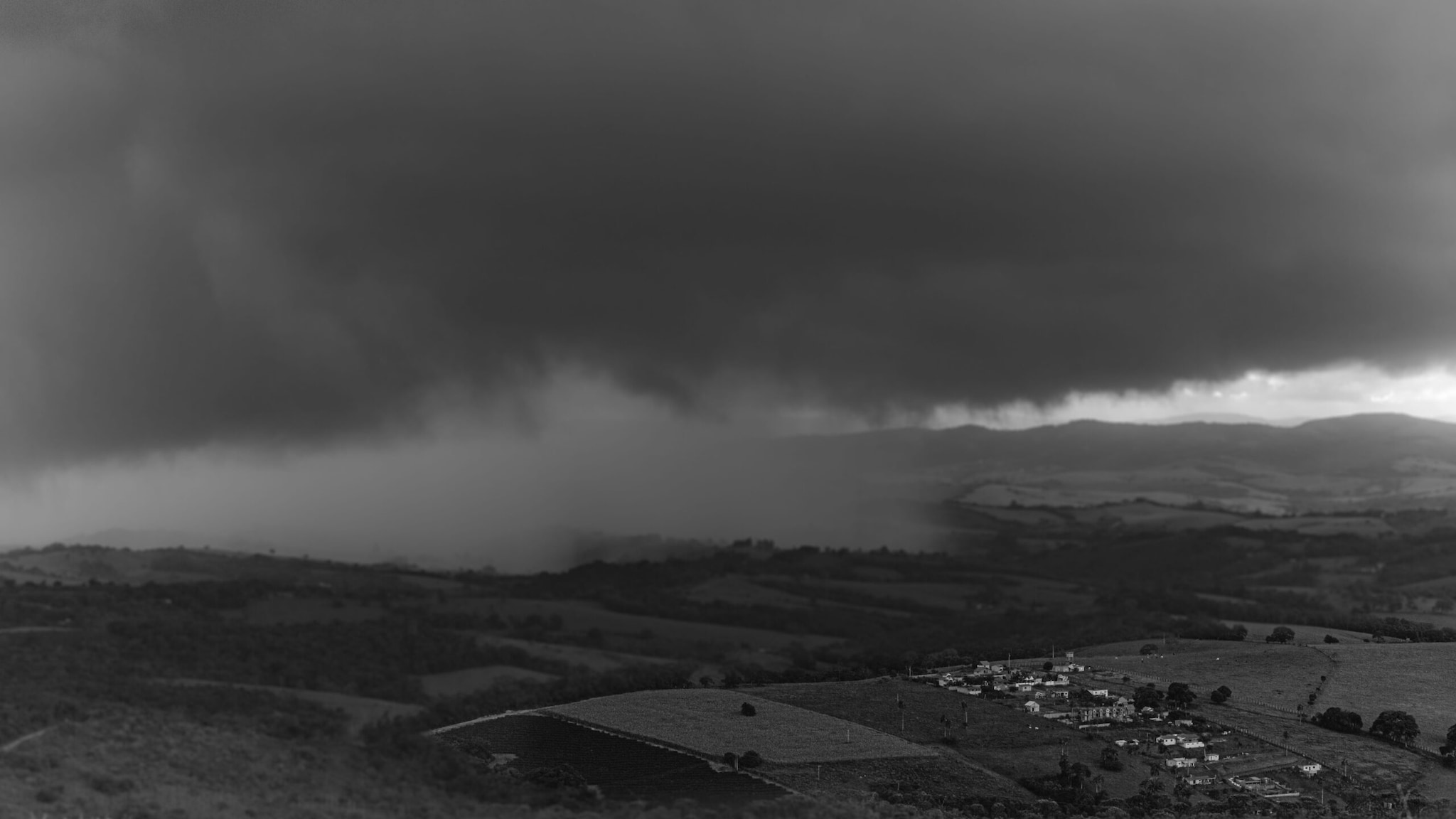
In several villages, a Gram Joshi or a village astrologer would read out annual rainfall and crop predictions during the Hindu New Year. Based on calculations preserved through generations, these forecasts often helped farmers plan the agricultural season ahead. (Image: Pexels)
5/8
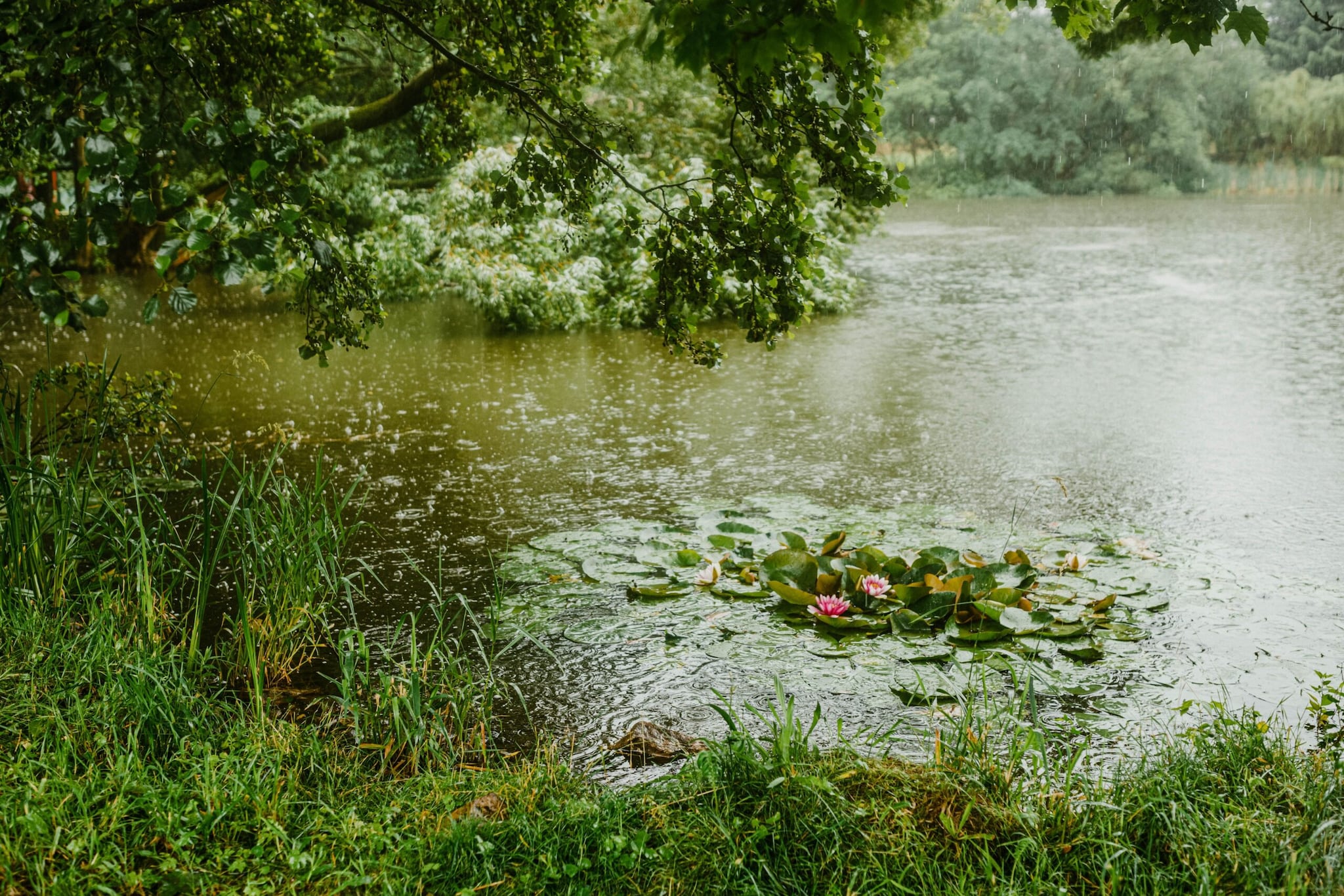
As per multiple reports, over the years, farmers built local forecasting methods alongside these atronomical traditions. One such practice from Andhra Pradesh, known as Tatta Sanketam, involved placing a tumbler on top of a basket filled with grain while a child balanced it carefully. The direction in which the tumbler eventually fell, interpreted alongside planetary positions, and was believed to indicate the nature of the coming monsoon. (Image: Pexels)
________________________________________________________________________
6/8
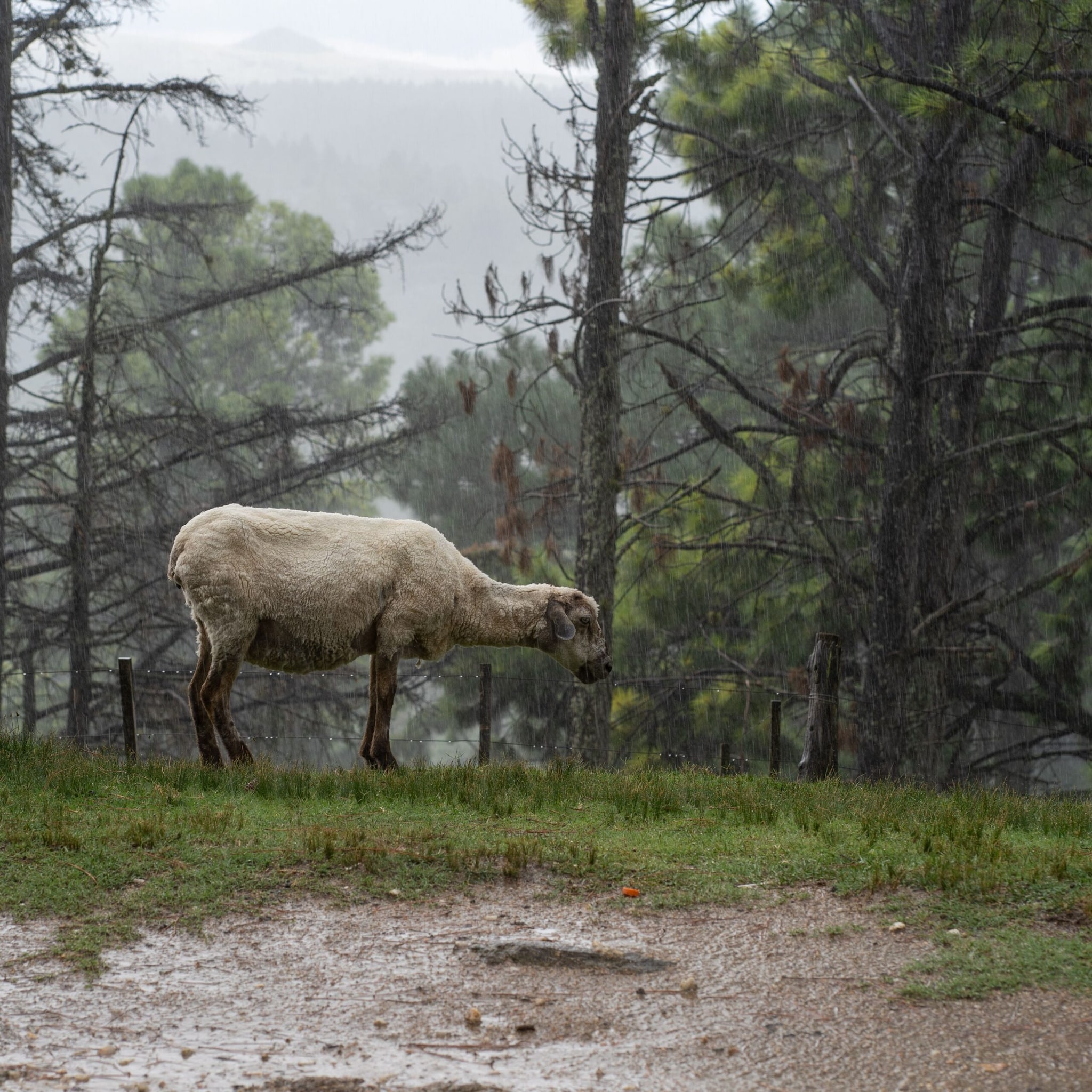
For generations, farmers also learned to read the changes happening around their homes and fields. Goats flapping their ears more frequently, owls calling persistently through the night, and red hairy catepillars moving rapidlt towards shelter were all considered signs that rain might be near. Scientists later found that many insects can detect changes in humidity through their antennae long before humans can sense them, which may explain why such observation often appeared reliable. (Image: Pexels)
7/8
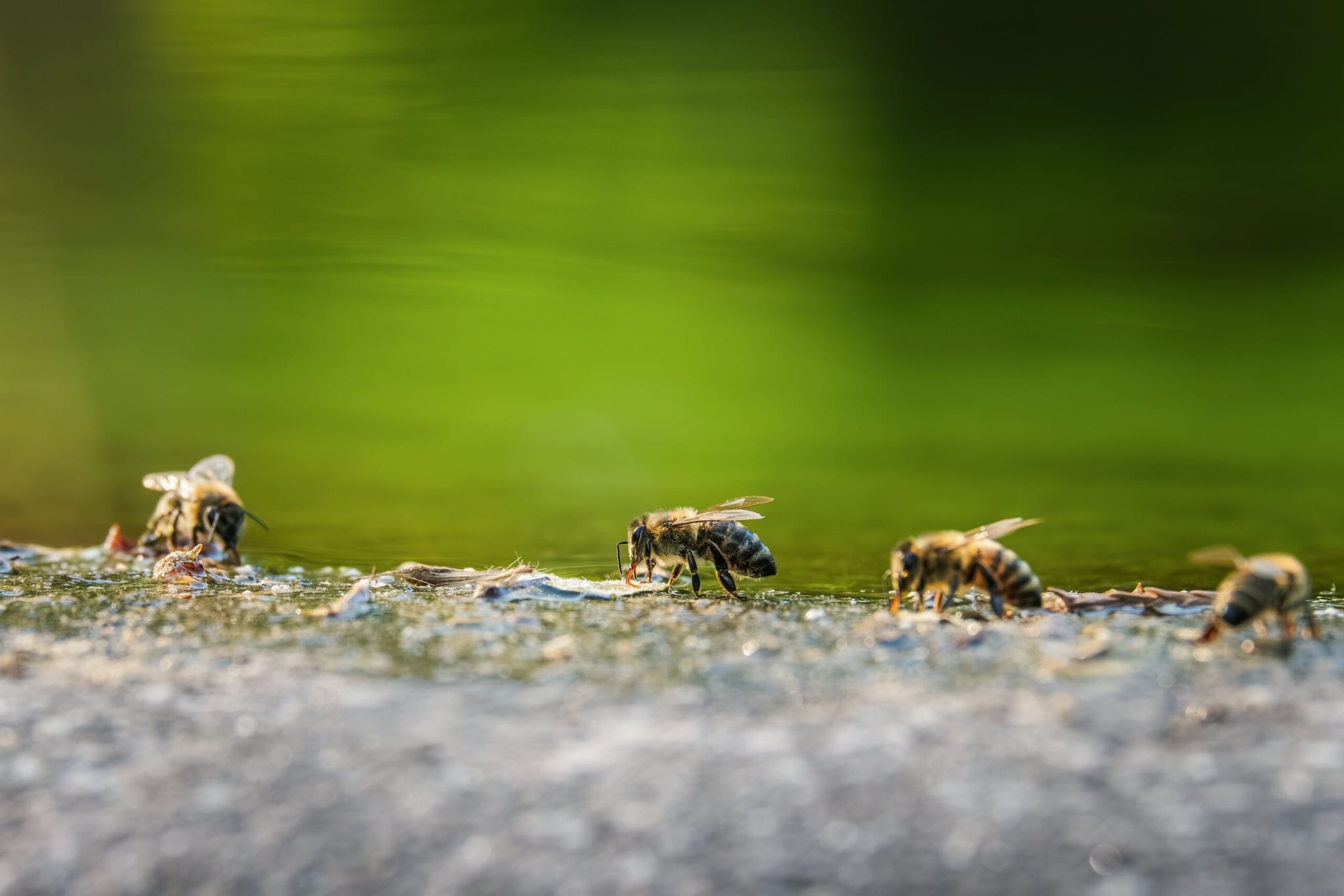
Bees returning early to their hives and spiders hurriedly repairing their webs were treated as further warnings of changing weather. Furthermore, smoke from evening cooking that stayed low instead of rising freely was seen as a sign of increasing moisture in the air. (Image: Pexels)
8/8
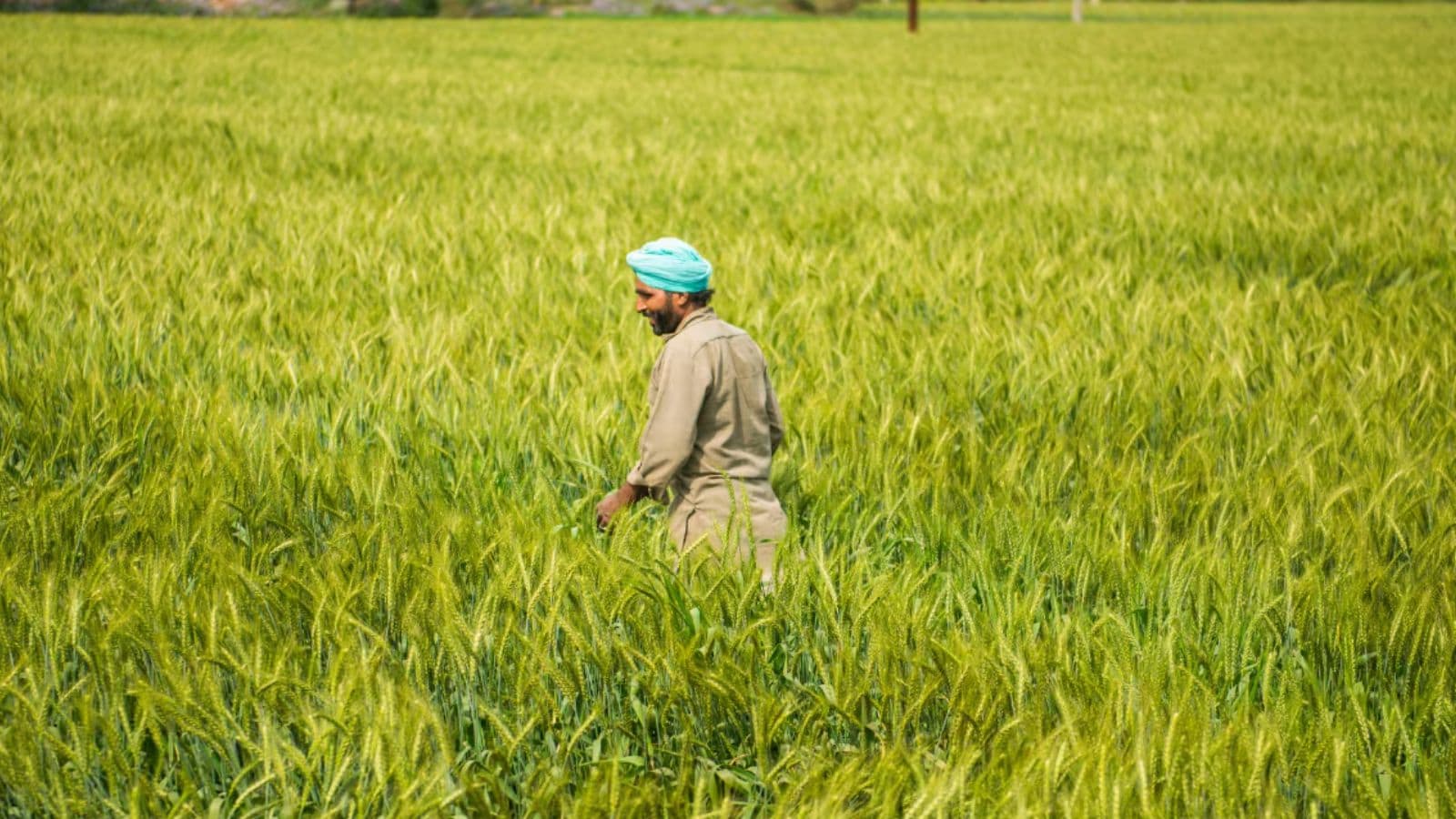
Reportedly, farmers rarely relied on one signal in isolation. Instead, they cross-checked multiple indicators before deciding when to sow, treating farming decisions with the caution and discipline that uncertainty demanded. (File Photo)
NOTE – This article was originally published in News 18 and can be viewed here
Tags: #agroforestry, #climate, #climatechange, #environment, #farmers, #forests, #getgreengetgrowing, #globalwarming, #gngagritech, #greenstories, #india, #weather, #weatherapp