
https://www.teahub.io/viewwp/xmmwox_soil-wallpaper/
When it comes to our quality of life, our soil is critical. It affects not just how things develop, but also the air we breathe. There are approaches that can both preserve and conserve our land. The objective here is to decrease erosion while also ensuring the fertility of the soil. These might be carried out by ordinary people or by large commercial industries.
One notion in this process is to use excellent operational procedures. Another good way is to practise general ecologically beneficial practises. Conservation methods assist both particular communities and the entire planet.
_______________________________________________________________________
Read Also : India discovers new plant species in Antarctica
________________________________________________________________________
Almost all of our food (95 percent) is produced directly or indirectly on soil, according to half of the population (47 percent), whether gardeners or not.
36 percent are also unaware that soil filters our water, aids in climate regulation (35 percent), and stores more carbon than the atmosphere and all of the world’s plants and forests collectively (22 percent ).
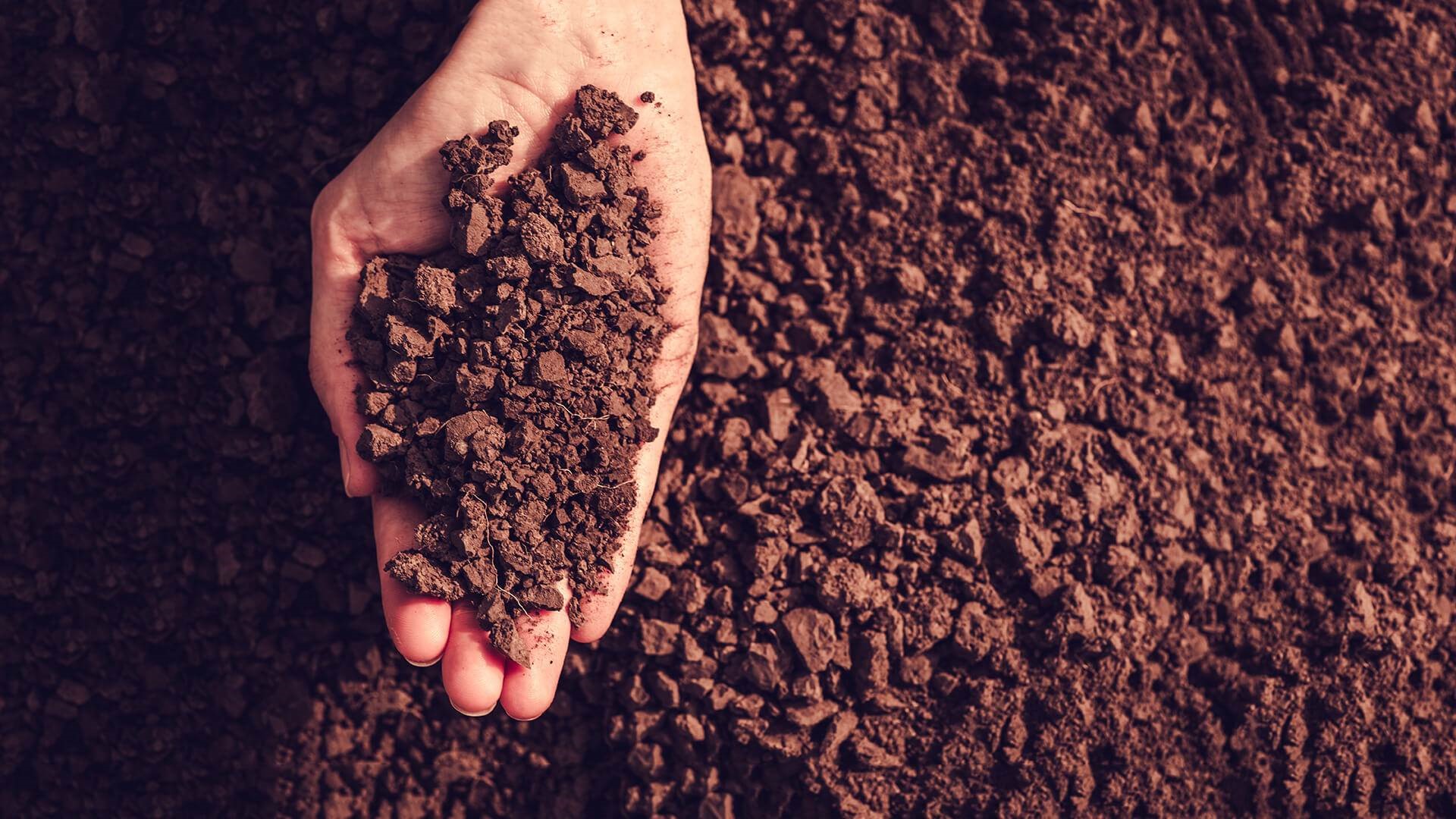
Healthy soil is one of the world’s most overlooked and misunderstood miracles. It’s an important part of our ecosystem since its nutrient-dense minerals aid in the growth of plants, filter and clean our water, regulate the atmosphere, and are essential for the creation of nutritious food. Many organic farms thrive on healthy soil on their farms, where their cows graze and their milk is generated, because it is the core of their regenerative organic farming system, delivering critical nutrients to plants and maintaining biodiversity.
Organic soil can also collect and digest carbon from the atmosphere, making it an essential component of farmers’ attempts to combat climate change. Farms guarantee their soil is rich and structured to be more successful at storing an extra 3.5 tonnes of carbon per hectare by growing up to ten different varieties of grass, clovers, and herbs – the greenhouse gas equal of leaving your car around the world nearly one and a half times.
Despite the numerous functions soil plays in safeguarding and nourishing the ecosystem, the UN reports that one-third of the world’s top layer of soil is ‘endangered,’ and its contribution to sustaining a healthy environment is underappreciated.
HOW TO PROTECT SOIL?
With so many environmental challenges such as air pollution, water pollution, land pollution, global warming, ocean acidification, and ozone layer depletion, people are seeking solutions to preserve our world health. Soil conservation is one such method.
Soil conservation is the avoidance of soil loss due to erosion or decreased fertility as a result of overuse, acidification, salinization, or other chemical soil pollution.
Here are 10 interesting and easy doable steps that can help you in this section
_______________________________________________________________________
Read Also : New species of African violets found in Mizoram
________________________________________________________________________
Forest Preservation
Commercial activities has reduced the natural forest cover in several regions. One of the functions of this cover was to protect the soil. Businesses participating in the construction of buildings may conserve by ensuring that these regions are safeguarded.
Strips of Buffer
Soil erosion is a major issue that is being addressed around the country. This is especially problematic when there are natural bodies of water. Buffer strips are useful for conservation initiatives. Where stream banks exist, they give protection. They can be made out of grass, trees, and bushes.
No-Till Gardening
When it comes to farming, there are several ways that are employed. It is feasible to carry out this activity while also preserving the soil. No-till farming is a technique that permits crops to remain in place for a whole season. This prevents the soil from becoming naked and vulnerable.
Planting Windbreak Zones
Shrubs, plants, and trees are used to create windbreaks. They complement each other and have a conservation function. These will cooperate to reduce the power of wind across land regions. This is a strategy that may also be used to avoid soil erosion.
Terrace Planting
https://www.hypelol.com/bimber-travel/breathtaking-rice-fields-at-mu-chang-chai-yen-bai-vietnam/
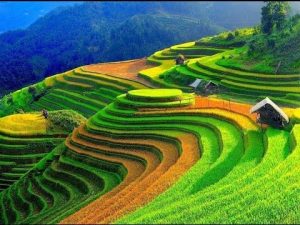
This method of planting takes use of the land’s topography. It benefits from the natural flow of rainfall. This is a method of preventing soil erosion. It is also a tried and true approach for encouraging development in damp soil locations.
Plant saplings to guard the top soil.
Simply planting trees is an effective conservation approach since it preserves topsoil and prevents erosion. In barren patches in your yard or garden, sow grass and grow bushes and other vegetation. The greenery will absorb excess water and shield the topsoil from the effects of rain, strong winds, and foot traffic.
As the tree grows, its roots will help anchor the soil, protecting the land beneath from water flow. Grass and plant roots also transport nutrients from deeper in the soil closer to the surface, boosting topsoil quality.
_______________________________________________________________________
Read Also : Atlantic discovery: 12 new species ‘hiding in the deep’
________________________________________________________________________
For basic groundcover, ryegrass and clover are ideal alternatives. Their roots are deep and tenacious. Cereals such as wheat, barley, and rye, as well as root vegetable crops such as radishes, are also good anchoring plants.
Keep the pH stable.
The pH levels in the soil can be influenced by a variety of factors. Pollutants and acids are only two examples of what falls under this category. Investing in a soil tester is an excellent method to keep track of the levels in your soil. This also teaches you what needs to be added to promote healthy soil and conservation.
Planting native/indigenous plants
Farming is all about variety, but indigenous crops are crucial. These are native agricultural alternatives that benefit the soil. Planting these is a good method to help with conservation efforts. They should be sown even if other crops are being planted.
Mulch
Mulch is an excellent conservation technique that protects the soil, yet the bulk of it is merely utilised to beautify lawns. Mulch serves to keep wind erosion at bay. It is also an excellent solution for assisting the soil in retaining needed water.
During the growth season, apply a thin layer of mulch around the base of healthy plants. The mulch will protect the soil from wind and rainfall while retaining critical nutrients and moisture at the root level.
There are several mulch products available on the market. Mulch is inexpensive and readily made at home by putting discarded wood, living leaves, and rotting plant materials into a shredder and generating a composite.
Avoid compacting.
Not compacting the soil is a basic conservation practise used by some gardeners and farmers. This is a useful way of protection.
You may accomplish this by establishing dedicated walkways in your garden. This prevents you from walking on moist dirt, which compacts it.
Tags: #AirPollution, #carbon, #climate, #climatechange, #environment, #getgreengetgrowing, #globalwarming, #gngagritech, #greenstories, #healthysoil, #life, #plants, #soil, #WaterPollution, #winter