Quick Take
- The Small Indian mongoose was introduced to control rats but instead devastated island ecosystems by preying on vulnerable native wildlife.
- Islands like Hawaii and Okinawa suffered severe biodiversity losses because native species had no defenses against mammalian predators.
- The mongoose invasion highlights why preventing invasive species introductions is far easier and more effective than trying to remove them later.
The idea sounded sensible at the time. Sugar plantations were losing money to rats, who were chewing through crops and infrastructure. But nature had an answer: the mongoose. Import a predator, let it loose, and let biology do the work. The perfect solution. What could possibly go wrong?
What followed was one of the most cautionary tales in conservation history. The Small Indian mongoose didn’t just wipe out rats. It rewrote entire ecosystems.
Introduced with the best of intentions, this small, fast, and fearless carnivore has become a textbook example of biological control gone wrong. From Hawaii to Okinawa, islands that once sheltered unique birds and reptiles are still paying the price. Today, governments and conservationists are racing against time to undo a mistake made more than a century ago.
©MuhammadAliRajput/Shutterstock.com\
________________________________________________________________________
Meet the Small Indian Mongoose
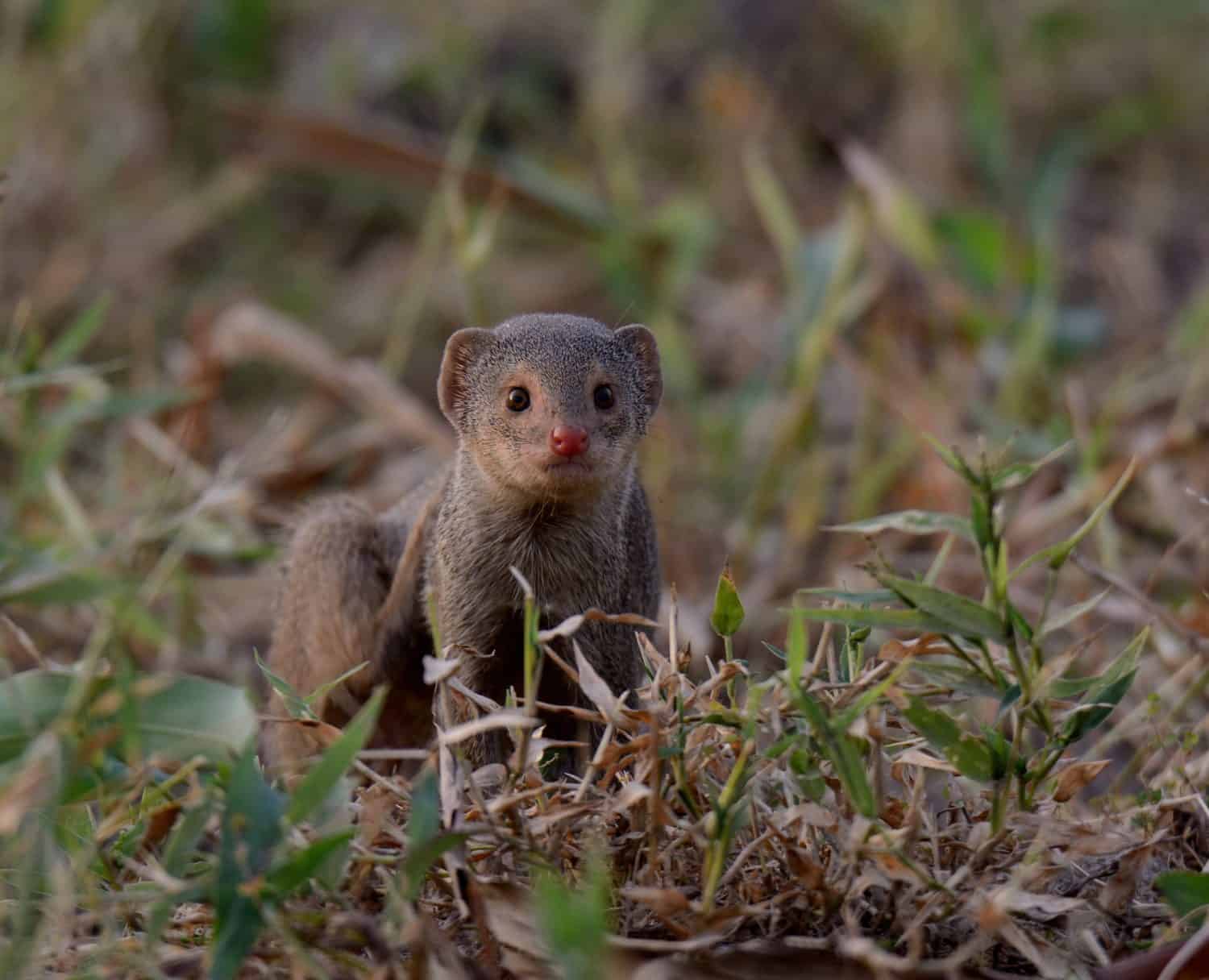
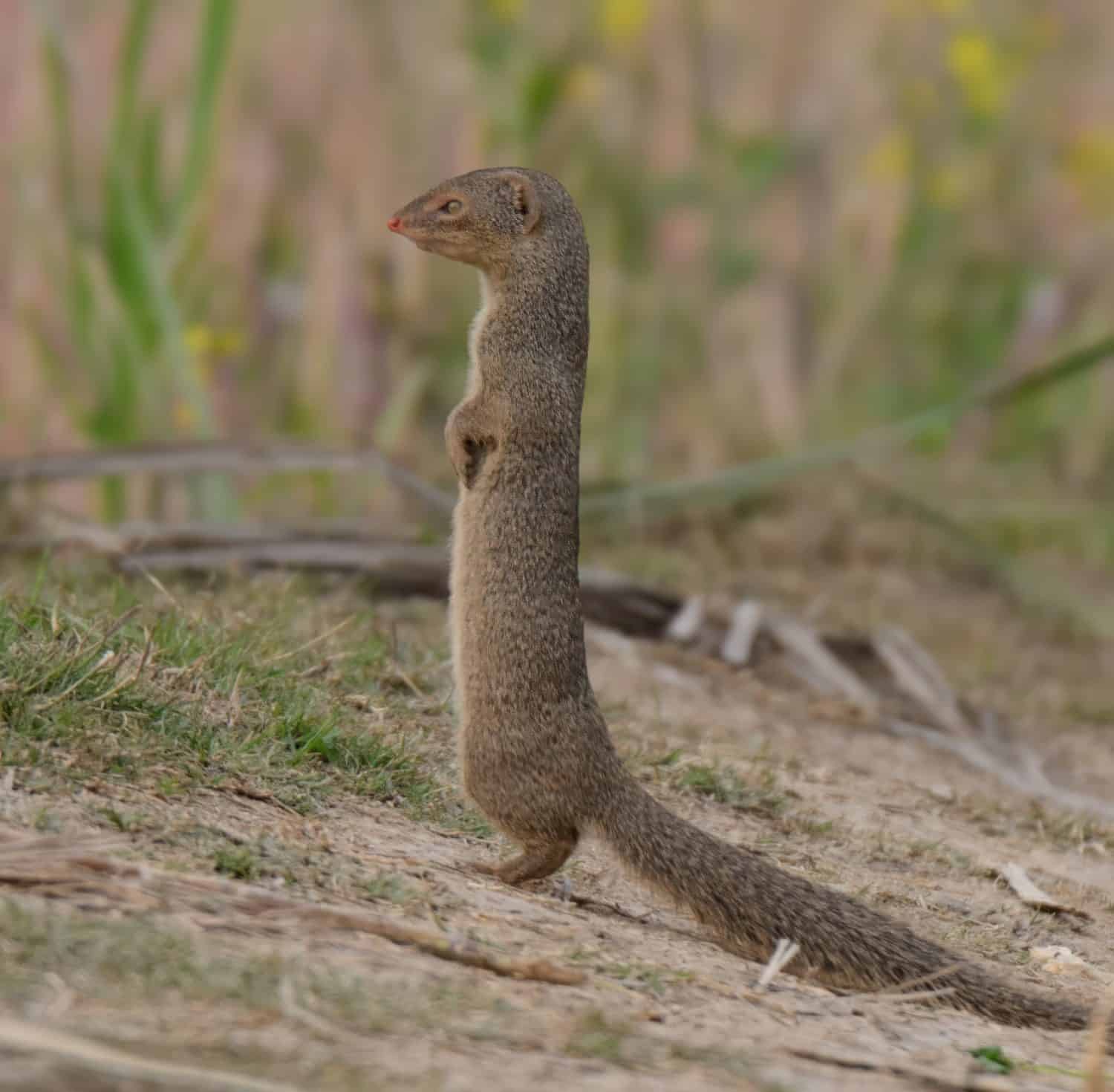
The Small Indian mongoose is a slender, weasel-like mammal native to South Asia and parts of the Middle East. Adults typically weigh between one and three pounds and stretch about two feet from nose to tail. Built low to the ground with sharp teeth and quick reflexes, mongooses are famous for taking on venomous snakes in their native range.
They’re opportunistic hunters, eating just about anything they can catch. Insects, crabs, frogs, lizards, eggs, birds, and small mammals are all fair game. That adaptability is one of the reasons they’ve survived for millions of years. It’s also the reason they’ve become such a problem when moved outside their natural habitat.
In their home range, mongooses evolved alongside predators, competitors, and prey that could respond to their presence. On islands that had never seen a land-based mammal predator, the balance was very different.
Why Rats Were the Target
During the 1800s, sugarcane plantations expanded rapidly across tropical islands. With them came rats, stowaways on ships that found easy meals in the fields. Rats damaged crops, gnawed through irrigation lines, and spread disease. Plantation owners wanted a solution that didn’t require constant labor or expensive equipment.
Mongooses seemed like the perfect answer. They were already known to eat rodents, and word on the street was they’d been used elsewhere with some apparent success. Beginning in the late 19th century, they were deliberately introduced to islands across the Caribbean and Pacific, including Hawaii, Okinawa, and several islands in the West Indies.
What the planners didn’t consider was timing and behavior. Rats are mostly nocturnal. Mongooses are active during the day.
The two species rarely crossed paths.
©MuhammadAliRajput/Shutterstock.com
Easier Options
Instead of hunting rats, mongooses went after what was easiest to catch. On islands, that often meant ground-nesting birds, slow-moving reptiles, and eggs laid in shallow burrows or open sand.
Many island species had evolved without mammalian predators. Birds nested on the ground because nothing had ever threatened them there. Lizards basked openly in the sun. Eggs were left unguarded because there was no need to protect them. The arrival of a fast, intelligent, and hungry predator changed all of that overnight.
In Hawaii, the mongoose spread quickly across most of the main islands. It preyed on native birds like the nēnē, or Hawaiian goose, and several species of petrels and rails. On Okinawa, it targeted endemic birds and reptiles found nowhere else on Earth. Some populations collapsed within decades of the mongoose’s arrival.
The irony was brutal. Native wildlife paid the price, meanwhile rats remained a problem.
Islands Hit the Hardest
Islands are especially vulnerable to invasive species, and the mongoose is a perfect example of why. Limited land area means animals can’t easily escape. Many island species have small populations to begin with, so losses add up fast. Once a predator establishes itself, there’s often nowhere for prey to hide.
In the Caribbean, mongooses contributed to the decline or extinction of several native reptiles and birds. On some islands, they’re now considered one of the primary drivers of biodiversity loss. The same pattern played out in the Pacific.
Hawaii’s native birds were already struggling due to habitat loss and introduced diseases. The mongoose added another layer of pressure. Ground-nesting birds and seabirds were especially hard hit. Eggs and chicks were easy targets, and even a small increase in nest failure can push vulnerable species toward extinction.
Okinawa’s Mongoose Crisis
Okinawa offers one of the clearest case studies of how invasive mongooses can spiral out of control, and how difficult it is to reverse the damage.
Mongooses were introduced to Okinawa in the early 1900s to control venomous snakes called habu. Like the rat plan, this one backfired. The mongooses and snakes were active at different times of day, so encounters were rare. Native wildlife, however, had no defense.
The mongoose population exploded. By the late 20th century, they were found across large portions of the island. Endemic species like the Okinawa rail and several native amphibians saw sharp declines. Conservationists sounded the alarm, and Japan launched an ambitious eradication effort.
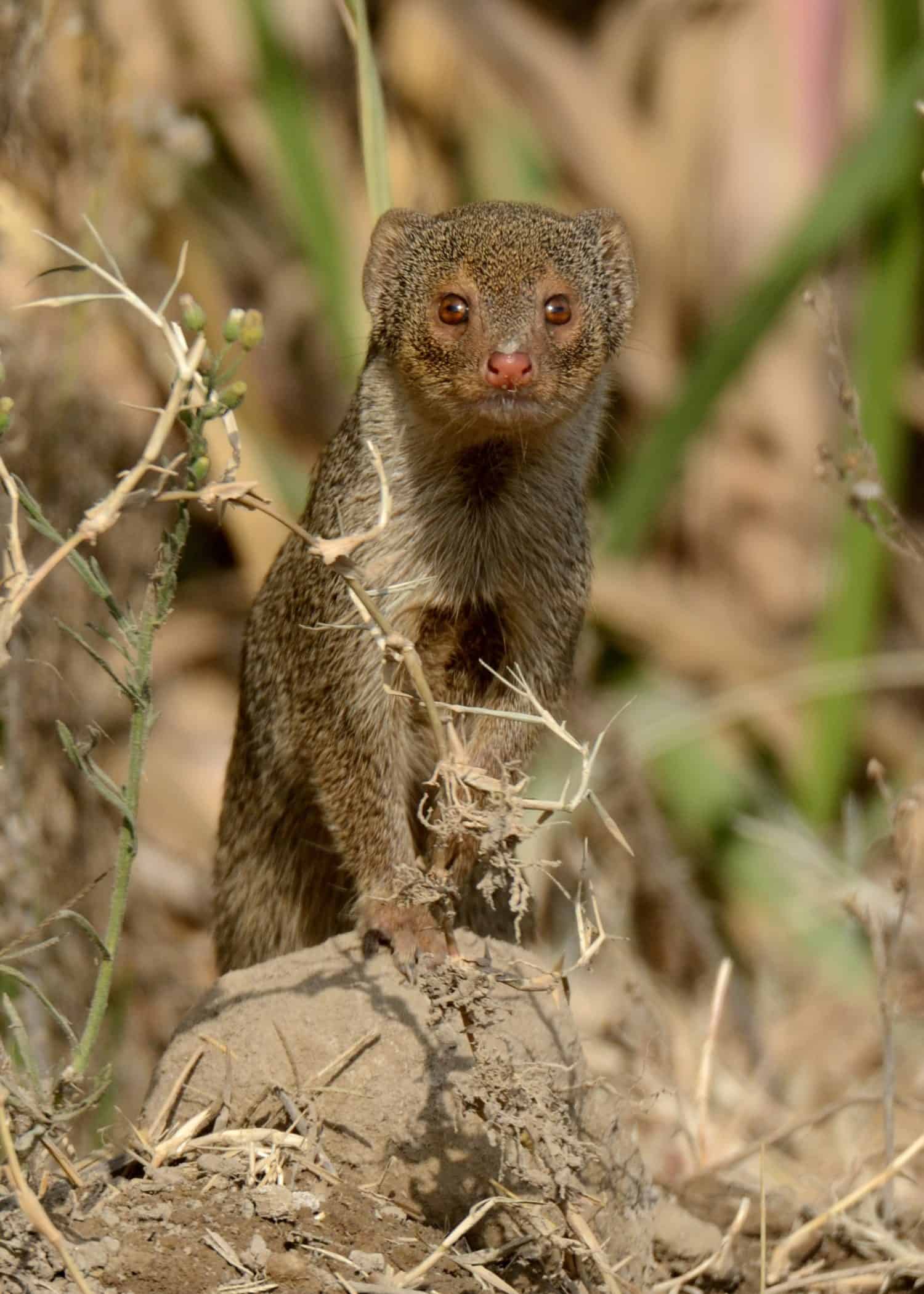
©MuhammadAliRajput/Shutterstock.com
The Science of Trapping an Invasive Predator
Getting rid of an invasive mammal isn’t as simple as setting a few traps. Mongooses are intelligent, cautious, and adaptable. They learn quickly and can avoid traps if they associate them with danger.
In Okinawa, researchers developed a coordinated trapping program using thousands of live traps placed across key habitats. The effort required careful planning, constant monitoring, and years of persistence. Traps had to be checked daily. Locations were adjusted based on mongoose movement patterns. Non-target species had to be protected.
The results were slow but encouraging. Over time, mongoose numbers dropped dramatically. In areas where they were removed, native species began to rebound. Some birds returned to nesting sites they hadn’t used in decades. It was proof that recovery was possible, but also a reminder of how much work it takes to fix a single bad decision.
________________________________________________________________________
Hawaii’s Ongoing Battle
Hawaii’s fight against the mongoose is even more complicated. The animals are established across multiple islands, and complete eradication is currently unrealistic. Instead, efforts focus on protecting specific areas and species.
Fenced reserves designed to keep out invasive predators have become a critical tool. Inside these protected zones, native birds and plants can survive without constant pressure from mongooses, rats, and feral cats. Trapping and monitoring continue, especially around nesting sites for endangered birds.
Public awareness is also part of the strategy. Preventing mongooses from spreading to islands where they aren’t present, like Kauai and Lanai, is a top priority. Once an invasive species gains a foothold, removing it becomes exponentially harder.
Lessons of a Costly Mistake
The story of the Small Indian mongoose is often cited in conservation textbooks to show how good intentions can lead to disastrous outcomes when ecosystems aren’t fully understood. Biological control can work under the right conditions, but it’s never risk-free. Introducing a predator and assuming it will behave exactly as hoped, target only the intended species, and integrate smoothly into a new environment is a huge mistake. Nature rarely cooperates with such tidy plans.
Today, invasive species management emphasizes prevention above all else. It’s far cheaper and more effective to stop a species from being introduced than to remove it after the fact. Strict quarantine rules, inspections, and public education are all part of that effort.
The effects of the mongoose invasion are ongoing, and the lessons are more relevant than ever. As global trade and travel increase, the risk of invasive species introductions grows with them.
In the case of the Small Indian mongoose, there’s no villainous intent—these animals are just doing what evolution shaped them to do. The responsibility lies with the humans who moved them into places where they never belonged. Unfortunately, once the damage is done, it’s exceedingly difficult to undo it.
NOTE – This article was originally published in A- Z Animals and can be viewed here