Galicia’s inlets are famous for mussels, octopus, and the bustle at the dock. So when a fisherman hauls up a fish more typical of warmer seas, it is not just a weird one-off story for the pier.
A review released in March 2026 suggests those surprises are easier to explain. The Atlantic off northwest Spain is slowly taking on more tropical traits, and two recently confirmed pufferfish are now being treated as a warning sign.
A rare catch
Researchers from the Spanish Institute of Oceanography, working through its Oceanographic Center in Vigo under Spain’s National Research Council known as CSIC, reported two unusual pufferfish records in southern Galicia and tied them to ocean warming, with support from the marine group Grupo para o Estudo do Medio Mariño known as GEMM and the Aquarium Finisterrae.
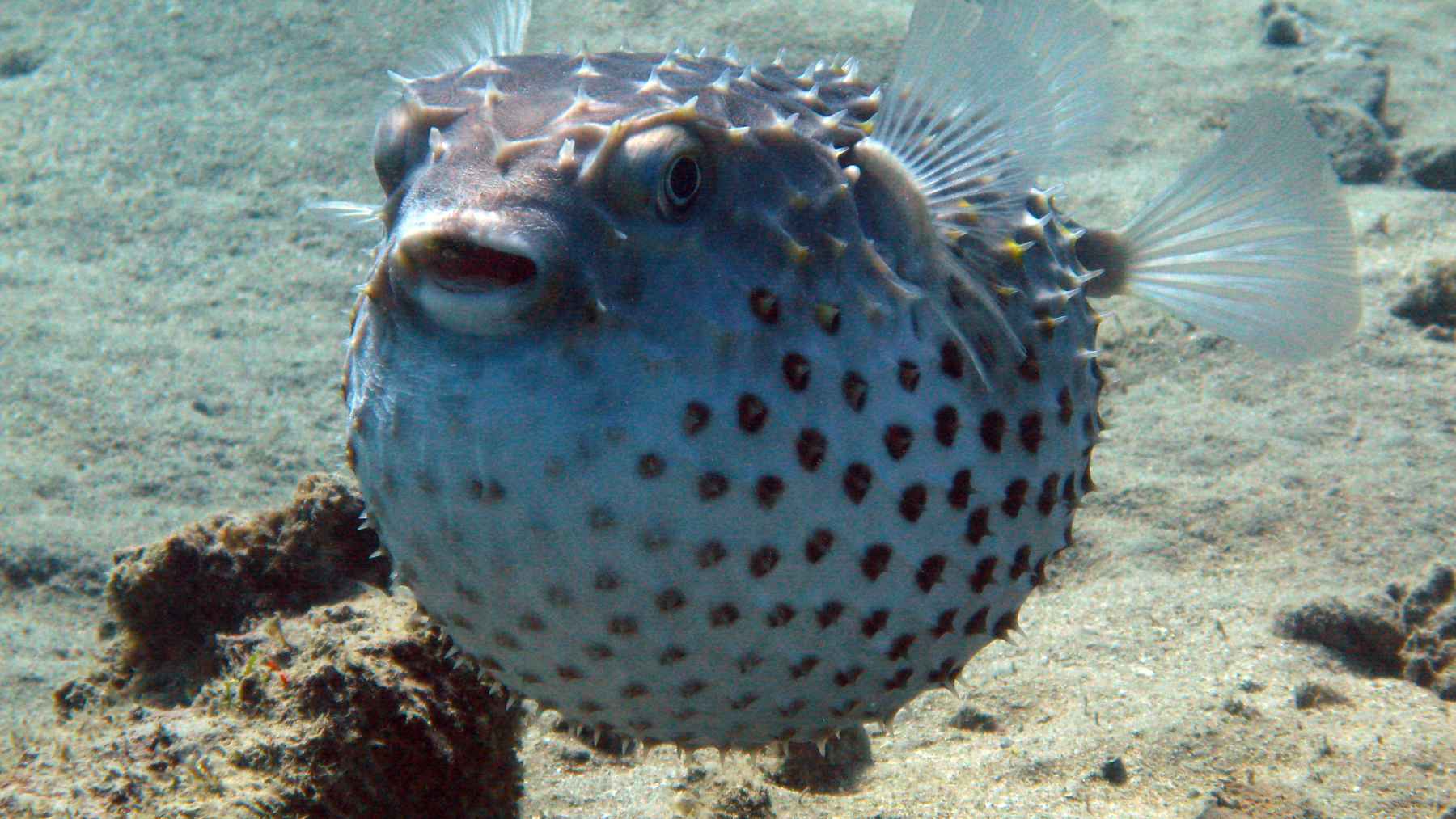
The blunthead pufferfish Sphoeroides pachygaster was caught off Costa da Vela in 2021, and the prickly puffer Ephippion guttifer was caught in the Ría de Pontevedra in 2025, confirmed using photos and DNA barcoding, with tissue work showing the 2025 fish was a female ready to lay eggs.
The researchers also reviewed 26 Tetraodontiformes species recorded in Spanish waters and said poisoning risk is currently low because these fish are not sold legally, but sightings mean closer monitoring matters.
The study zooms out beyond those two catches. It looks at the whole order called Tetraodontiformes, a family tree that includes pufferfish, triggerfish, and ocean sunfish, all known for odd shapes and defensive tricks. DNA barcoding is a small genetic test that helps confirm a species, like scanning a barcode.
________________________________________________________________________
Rafael Bañón described the trend as “progresiva tropicalización del medio marino español,” meaning Spanish seas are slowly taking on a more tropical character. In Galicia, these fish stand out because local waters have long been dominated by species that prefer cool or temperate conditions. Seeing a pufferfish in a net can feel like finding a palm tree where you expect pines.
What tropicalization means
Scientists use the word “tropicalization” to describe a slow shift where warmer-water species expand into areas that used to be too cold for them.
One long-running analysis from the University of Vigo found the surface of the Bay of Biscay has warmed by about 0.26 degrees Celsius per decade since 1982, which is about half a degree Fahrenheit every ten years. Over a few decades, that adds up to a noticeable change in what marine life can tolerate.
This is not only about hotter summers. The same work suggests the warm season is lasting longer, especially in spring and early fall, which can give heat-loving species more time each year to feed, grow, and sometimes reproduce.
For marine ecosystems, a longer warm season can act like a wider open door. A 2024 research review on marine heatwaves in the Iberia Biscay Ireland region describes these events as stretches of unusually hot sea surface temperatures that can push species to move quickly and disrupt fisheries and coastal economies.
Why two fish matter
Two pufferfish do not, by themselves, redraw a map. But confirmed records are like pins on a timeline, showing that conditions are changing enough for these animals to show up, survive, and be documented.
The detail about reproduction is especially attention-grabbing. A single fish in spawning condition does not prove a new breeding population, but it does hint that the local environment may be edging closer to what these species need to complete their life cycle.
There is also a bigger ecological question hiding in plain sight. If warm-water newcomers increase, who loses space or food, and what happens to the familiar mix of fish that supports local fishing and wildlife?
The toxin question
Pufferfish are not just famous for inflating like a balloon. Some species can carry tetrodotoxin, a powerful nerve poison, and public health agencies warn there is no specific antidote if someone is poisoned.
That is one reason European food rules say fishery products from poisonous fish in the pufferfish family must not be placed on the market. In practical terms, that means they should not end up for sale at the fish counter, even if a rare catch comes ashore.
For most people, the everyday takeaway is simple. A CDC travel medicine guide notes the toxin is not destroyed by cooking or freezing, so guessing is risky.
A wider Spanish snapshot
The new review also updates what is known across Spanish waters, where Tetraodontiformes species are more common in the south and less common as you move north. That pattern fits what you would expect if temperature is one of the main filters deciding which species can settle where.
Galicia has seen hints of this before. A 2011 report indexed by the U.S. National Library of Medicine documented the first Galician record of the smooth puffer Lagocephalus laevigatus, describing it as a northernmost occurrence in the northeast Atlantic.
________________________________________________________________________
Put together, these scattered records tell a story that feels less random over time. The ocean is not flipping a switch overnight, but it is nudging the boundaries that used to keep many warm-water fish farther south.
What happens next
The next step is not panic- it is better tracking. The researchers behind the Galicia records say the priority is stronger monitoring and clearer species identification so authorities and the public can spot potentially toxic fish early.
This is also where local knowledge can help. Fishermen, divers, and coastal residents are often the first to notice a strange catch, and good photos plus quick reporting can turn a surprise into usable science.
At the end of the day, these two pufferfish are not really about the fish. They are about the kind of ocean Galicia may be living with in the coming decades, and how food safety and ecosystems will have to adapt.
The main study has been published in the journal Fishes.