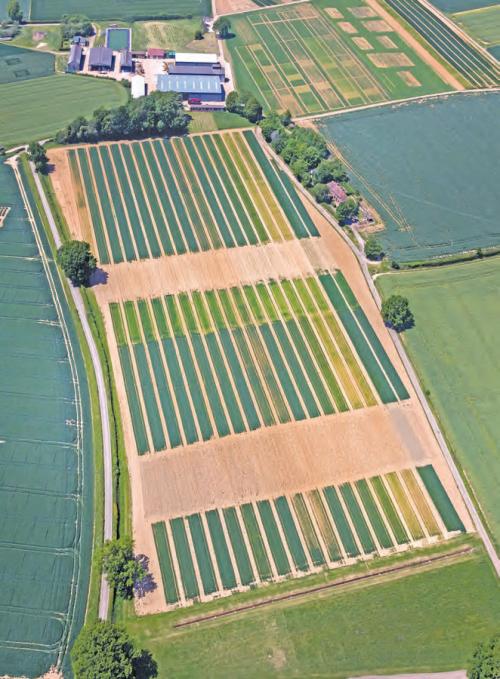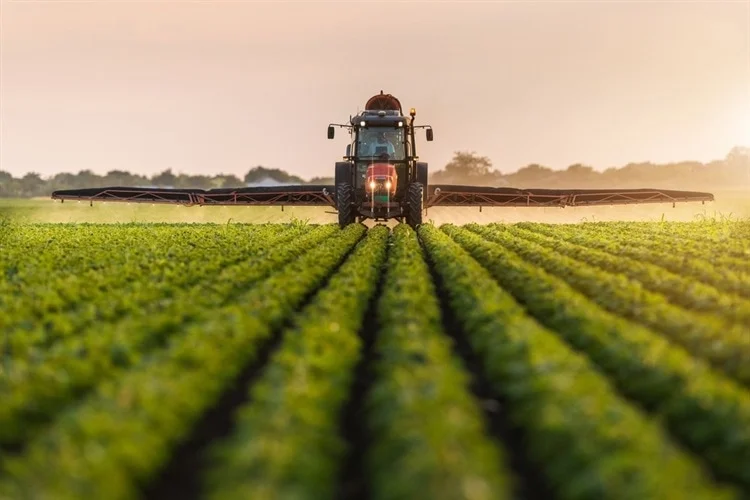
The term digital agriculture refers to the use of computers and other electronic devices in farming and other agricultural endeavors. Digital agriculture enables farmers and other stakeholders in the agriculture value chain to increase food production using advanced technologies incorporated into a single system.
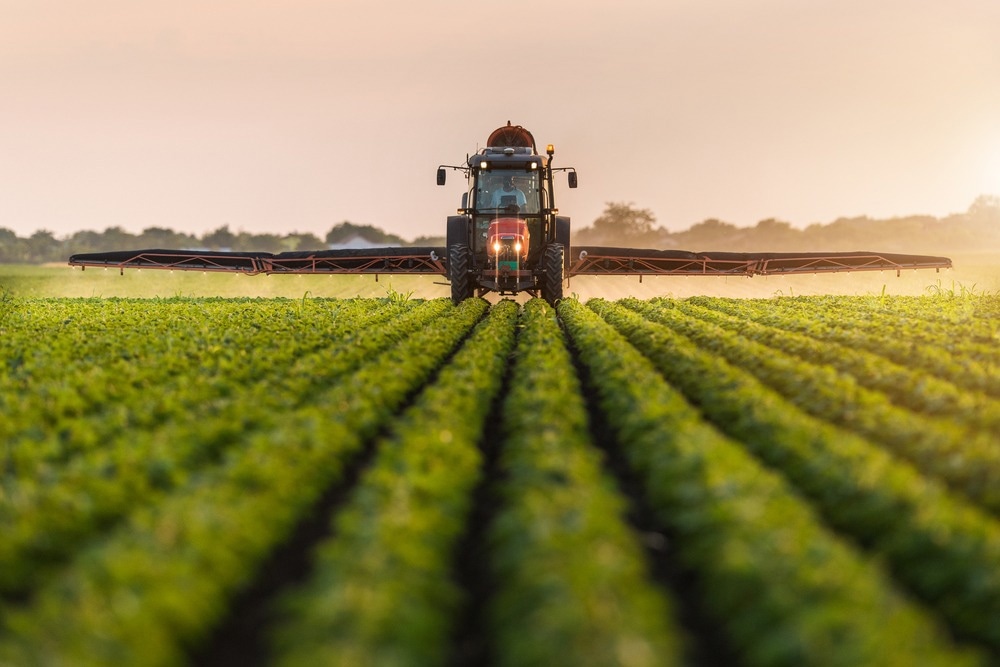
Image Credit:Fotokostic/Shutterstock.com
Digital agriculture is a database that contains various information about cultivation, from soil conditions to market assessments, as well as optimal decision operations that aid in making the best choices throughout several agricultural production and distribution processes. A digital agriculture system is a crucial tool for managing agricultural risks. It can assess climate change risks, create a revenue protection policy, and produce a soil quality management program.
_______________________________________________________________________
Read Also : Millions of Birds Are Migrating Earlier Because of Warming
_______________________________________________________________________
Importance of Digital Agriculture
Farmers rely on cutting-edge technologies to collect and analyze data from their farms to maximize their harvests. Digital agricultural technologies can monitor factors such as moisture, nutrient trends, soil composition, and wind patterns of arable land.
The digital agriculture system collects data accurately (such as weather information) using external sources. The combined data is examined and interpreted to help the farmer make better decisions. Robotics and advanced equipment quickly put these decisions into action with greater accuracy, and farmers can receive real-time feedback on the effects of their actions.
Accurate weather predictions, yield mapping, variable-rate applications (of water, herbicides, and fertilizers), and GPS guiding systems are all components of digital agriculture.
Digital Agriculture Technologies
Digital agriculture technologies work on the Internet of Things (IoT) principles. These technologies include sensors, telecommunication systems, unmanned aerial systems, machine intelligence, automation, and other advanced machinery.
Digital agriculture systems offer a unique perspective that improves the capacity to make and apply decisions.
The current generation of farmers utilizes robots to plant and harvest crops.
Over the next five years, the market for agricultural robotics is projected to grow from its current value of $5 billion to over $10 billion.
________________________________________________________________________
Read Also : Climate Change Performance Index 2021: India slips down by one position to 10th rank,…
________________________________________________________________________
Aerial drones are now widely used in farming to examine hectares of cotton fields, providing insights that humans would miss on the ground. Information gathered by drones can be used in various ways, including improving harvest time, irrigation, and pest control.
Impact of Climate Change on Agriculture
Fluctuations in ozone, greenhouse gases, and overall climate change impact agriculture significantly because farming is highly dependent on weather conditions.
Climate shifts cause variations in habitat ranges and crop planting dates. Droughts and floods caused by climate change impair farming operations. Temperature shifts can also affect the distribution of species and reduce the nutritional quality of major cereals, crop yields, and livestock production.
Digital Agriculture Technologies Reduce Climate Change Vulnerabilities
Digital agriculture can improve farmers’ capacity to respond to weather conditions affected by climate changes through accurate climate forecasts. For instance, in 2014, CIAT researchers used information from the national meteorological service to provide accurate advice on when to plant rice in Colombia, sparing 170 rice farmers an estimated 1.7 million dollars in drought-related losses.
The researchers developed a computer model that anticipated drought in the area using ten years of historical information on yields and climate collected from mobile applications.
Temperature, precipitation, and wind are some weather parameters that climate changes affect. Since it is difficult to predict the future climate, historical data is used to understand past climate behavior and then apply that understanding to various future climate scenarios.
______________________________________________________________________
Read Also : The Earth is Home to Over 50 Billion Birds, Six Times More Than Humans,…
______________________________________________________________________
Digital agriculture can reduce climate change vulnerabilities by predicting weather forecasts. Farmers can navigate the rainfall distribution and make better decisions regarding various livelihood strategies thanks to information distributed to communities via radio broadcasts and mobile communications. Bulletins and notifications from extension services, which are digitally enabled services, can support agricultural producers unaware of digital technologies.
Risks of Digital Agriculture Technologies
The potential utilization of resources is a major risk of digital agriculture. While there is enthusiasm and excitement about integrating digital technology into agriculture, it is important to proceed cautiously, particularly in light of unintended consequences related to the potential eradication of ecological systems.
Agricultural data is crucial to the optimum functioning of farms, and if farmers own their data exclusively, they can assess the advantages and disadvantages of their operations.
NOTE – This article was originally published in azocleantech and can be viewed here
Tags: #agriculture, #climatechange, #climaterisk, #digitalagriculture, #farmer, #farming, #fertilizers, #getgreengetgrowing, #gngagritech, #greenstories, #nature, #weather